
01Ground Reality: One City, a River and a Land Market Everyone Wants a Piece Of
Assam is 35 million people, eight airports, two refineries' worth of oil money and one city that matters to property. Guwahati holds perhaps 1.5 million people inside its municipal limits and twice that in the urban agglomeration, and it absorbs the professional class of seven states. A Manipuri doctor, a Naga government officer, a Mizo trader and a Marwari wholesaler all end up buying a flat in Beltola or a plot in Sonapur, because Guwahati has the airport, the hospitals, the schools and the only Grade-A offices between Kolkata and Kunming. That single-city concentration is the first fact of the market. Dibrugarh, Jorhat, Silchar and Tezpur are real towns with real demand, but their prices move with tea, oil and government salaries, not with the north-east's migration.
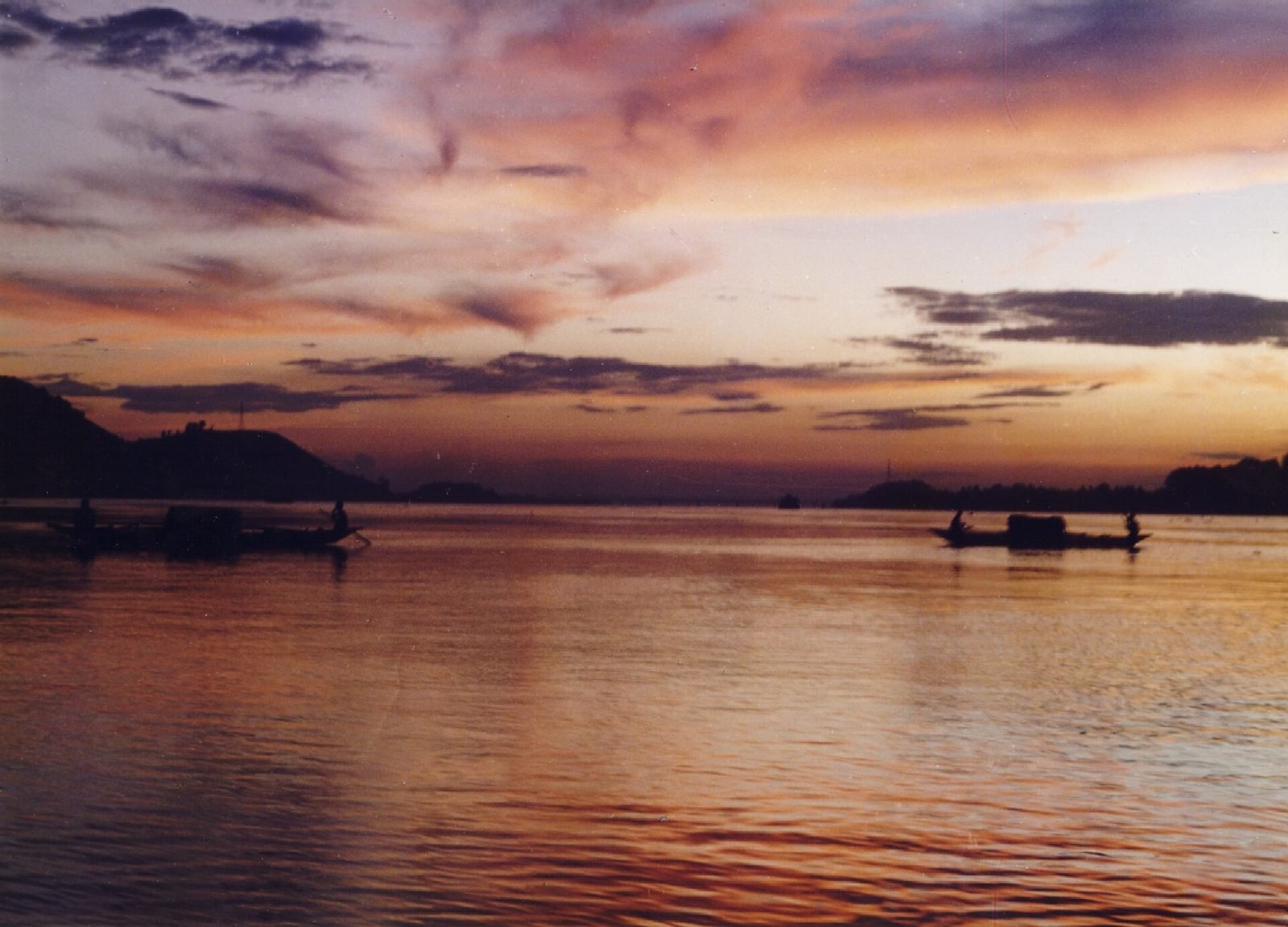
The second fact is that Guwahati is squeezed between hills and water. The Brahmaputra bounds the city on the north, reserve-forest hills (Garbhanga, Fatasil, Narakasur, Amchang) hem it on the south and east, and the Deepor Beel wetland sits to the south-west. Buildable flat land is scarce, which is why the city measures itself in katha rather than square feet and why a two-katha plot in Beltola, 5,760 sq ft, trades for more than a three-bedroom flat in most Indian state capitals. Flats in the established pockets of Beltola, Dispur, Zoo Road, Christian Basti and GS Road run ₹5,000 to 7,000 per sq ft, with the river-view and Kahilipara premium projects at ₹8,000 to 11,000. Land is ₹40 lakh to ₹2 crore a katha depending on road frontage, and ₹8 to 25 lakh on the fringes along the Ring Road alignment, in Sonapur, Chandrapur and the North Bank.
What changed in the last three years: the Tata group's ₹27,000 crore semiconductor assembly and test plant at Jagiroad broke ground and is heading towards first output, which sent land around Morigaon and Nagaon up by 50 to 100 percent on paper; AIIMS Guwahati opened at Changsari on the North Bank; the Guwahati Ring Road with its new Brahmaputra bridge at Kurua was sanctioned; the airport went to a private operator and is getting a new terminal; the Bogibeel bridge matured Dibrugarh's catchment; and the state pushed its land records onto the Dharitree portal under Mission Basundhara, which has made title checks possible from a phone for the first time.
The honest caution: Assam has three things that catch outsiders. Tribal belts and blocks under Chapter X of the Land and Revenue Regulation, where land cannot be transferred to anyone outside the protected classes and a registered deed is simply void; annual patta land that looks like ownership and is not; and flood and wetland encroachment, where a plot that is dry in February is a lake in July and is, on the records, part of a beel the government can reclaim. A good lawyer and a monsoon visit are not optional here.
02Location and Macro Infrastructure: Bridges, the Ring Road and the Corridor to the East
Everything in Assam runs along the river. The Brahmaputra valley is 700 km long and rarely more than 80 km wide, with the South Bank carrying the National Highway 27 East–West corridor (Dhubri, Bongaigaon, Guwahati, Nagaon, Jorhat, Dibrugarh, Tinsukia) and the North Bank carrying NH-15 through Tezpur and Lakhimpur to the Bogibeel bridge. The Barak valley to the south, with Silchar, is a different world across the Meghalaya and Dima Hasao hills, reached by the NH-6 climb through Shillong or the rail line through Lumding and Haflong.
Bridges are the catalysts here. For 60 years the Saraighat bridge was Guwahati's only crossing; now the city has the second Saraighat road bridge, the Kurua bridge under the Ring Road project, and the proposed Palasbari–Sualkuchi bridge, each of which opens North Bank land to South Bank buyers. Upstream, Bogibeel (2018) tied Dibrugarh to Dhemaji and Arunachal; downstream, the Dhubri–Phulbari bridge, at 19 km the longest river bridge in India when it opens, will cut the Dhubri to Meghalaya journey from 200 km to 20. A road–rail tunnel under the Brahmaputra between Gohpur and Numaligarh is at the planning stage. Every one of these shifts land demand to a bank that was cheap because it was far.
Roads. NH-27 is four-lane from Srirampur on the Bengal border to Jorhat and widening beyond; the Guwahati–Shillong NH-6 four-laning is the Barak and Meghalaya link; the Guwahati Ring Road, a 120-km outer bypass with the new bridge, is the project that will redraw the city's fringe over the next decade. Inside Guwahati, the GS Road, VIP Road and the Six Mile flyover corridor carry the traffic, and the elevated corridors now under construction over Zoo Road and towards the airport are the fixes for a city whose roads were laid for a tenth of its cars.
Air and rail. Guwahati airport handles over five million passengers a year with international flights to Bangkok, Dhaka, Singapore and Paro, and is getting a new terminal under its private operator. Dibrugarh, Jorhat, Silchar, Tezpur and Lilabari are daily-flight regional airports. Rail is the Lumding and Rangiya division network, with Vande Bharat services to Kolkata and Jalpaiguri and the Dibrugarh Rajdhani; the Guwahati station redevelopment and the proposed Guwahati Metro (still a study) are the long-dated items.
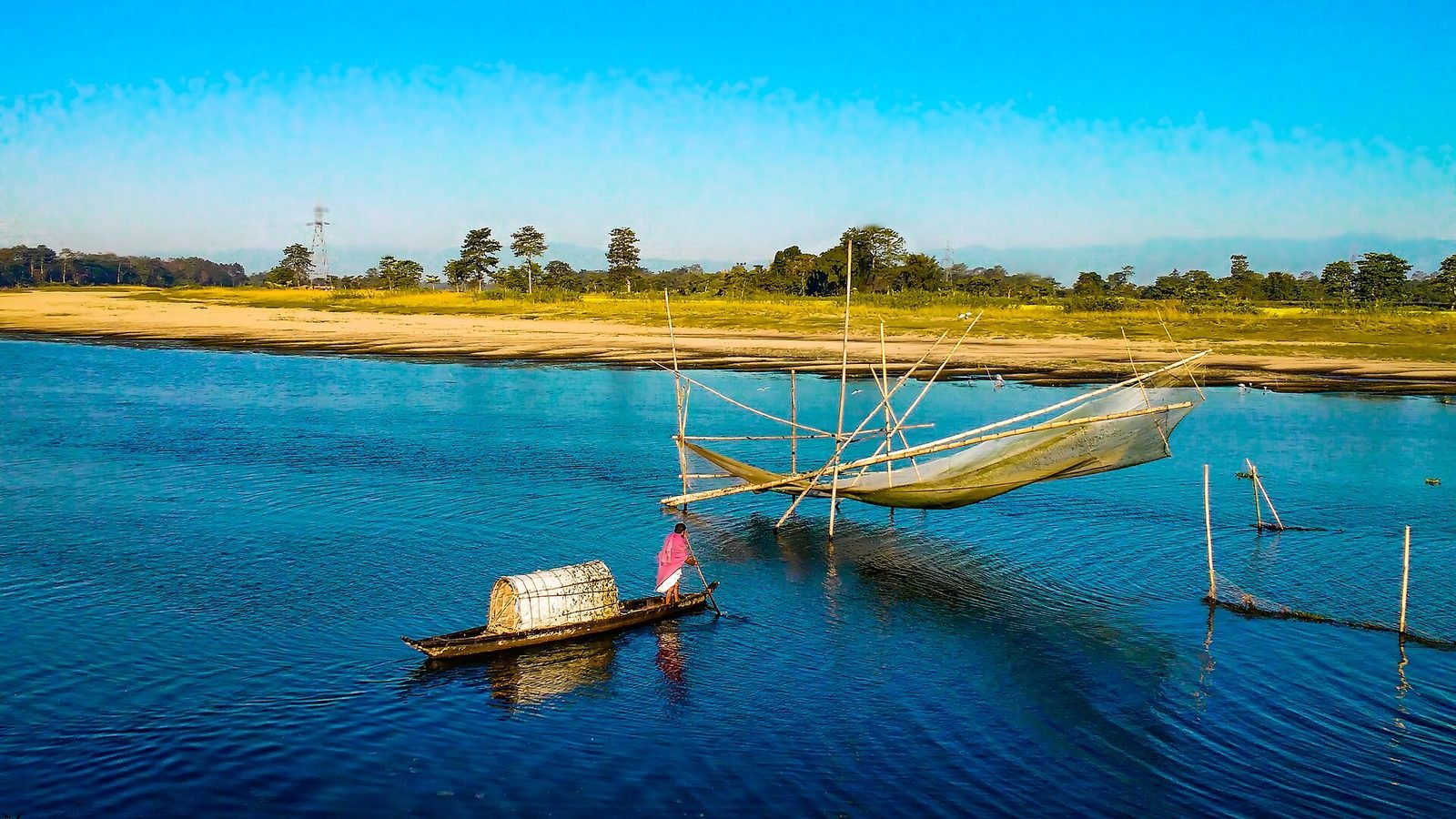
Water. The river itself is coming back as transport: the Pandu inland port handles cargo under the India–Bangladesh protocol route, and Brahmaputra river cruises from Guwahati to Jorhat and Dibrugarh are a new luxury product that has given the Majuli and Kaziranga belts a hospitality angle they did not have.
03Micro-Markets and What Sells: Guwahati Pocket by Pocket, then the Towns
Guwahati (Tier 2)
Think of the city as four bands. The core, Pan Bazar, Fancy Bazar, Uzanbazar and Silpukhuri along the river, is the old trading city: narrow plots, Marwari wholesale, heritage Assam-type houses and a few river-facing apartment towers at ₹8,000 to 11,000 per sq ft that are the most expensive flats in the north-east. The Dispur band, Beltola, Dispur, Ganeshguri, Christian Basti, Zoo Road, Rukminigaon and Kahilipara, is where the government, the hospitals and the professional class live: flats ₹5,500 to 7,500 per sq ft in RERA-registered towers, land ₹60 lakh to 2 crore a katha, and the flooding problem concentrated in Anil Nagar, Nabin Nagar and the Zoo Road low ground. The GS Road and Six Mile band, from Bhangagarh through Six Mile to Jorabat, carries the malls, the hotels and the IT and BPO offices such as they are; flats ₹5,000 to 6,500, with Lokhra, Garchuk and Lal Ganesh at ₹4,500 to 5,500 behind it. The fringe is where the next decade's growth is: Sonapur and Jorabat on the Meghalaya road, Chandrapur and Panikhaiti to the east, the North Bank around Amingaon, IIT and the AIIMS at Changsari, and the Ring Road villages. Plots there are ₹8 to 25 lakh a katha and that is where developers are assembling land for gated plotted colonies.
What sells: 3 BHK flats of 1,400 to 1,800 sq ft for the ₹80 lakh to 1.3 crore buyer, 2 BHKs at ₹45 to 70 lakh for the rental and first-home market, plots of one to three katha wherever a clean periodic patta exists, and shop and showroom space on GS Road, which has the state's best retail rents. Independent houses (the Assam-type with its sloping roof, and the newer RCC bungalows) are the preference of anyone who can afford land. Warehousing along NH-27 at Jorabat, Sonapur and Changsari is the commercial story, because Guwahati is the distribution hub for seven states.
Silchar, Dibrugarh and Jorhat (Tier 3)
Silchar is the capital of the Barak valley and the trade gate to Mizoram, Tripura and Manipur's south. NIT Silchar, the medical college, Assam University and the Border Security Force keep the salaried demand steady; flats in Tarapur, Meherpur and the Link Road belt are ₹3,500 to 5,000 per sq ft, plots ₹8 to 20 lakh a katha. The NH-6 four-laning and the Silchar–Sabroom corridor to the Bangladesh port at Chittagong are the long-term reasons to hold land here. Dibrugarh is tea, oil and the Bogibeel bridge: Oil India's headquarters at Duliajan, Assam Medical College, Dibrugarh University and the airport give it an upper-Assam professional class that buys ₹3,500 to 5,000 per sq ft flats in the Jalan Nagar and Chowkidinghee belts and bungalows near the tea estates. It floods at the river's edge and the erosion embankment is a known issue for riverside plots. Jorhat is the cultural town, with the Tea Research Association, Assam Agricultural University, the Majuli ferry at Nimati and the airport; flats are few and cheap at ₹3,000 to 4,500, plots in the Tarajan and Baruah Chuburi belts ₹8 to 20 lakh a katha, and the demand is tea-garden families and the retired.
Nagaon, Tinsukia and Tezpur (Tier 4)
Nagaon is the one to watch: the Tata OSAT plant at Jagiroad is 25 km down NH-27 and the town is the natural home for the plant's thousands of staff who do not want to live in Guwahati. Plots along the Jagiroad–Nagaon stretch and in Haibargaon have already doubled on paper; the test is whether the housing demand follows the construction. Tinsukia is the easternmost commercial town, with Digboi refinery, the oilfields and the trade into Arunachal; plots, shops and warehouses, not flats. Tezpur on the North Bank is the army's 4 Corps headquarters, Tezpur University and the gateway to Arunachal's Tawang; bungalows for the defence and university crowd, plots ₹5 to 15 lakh a katha, and the Bhairabi and Mission Chariali belts for new housing.
Bongaigaon, Dhubri and Barpeta (Tier 5)
These are district towns with a plot-and-house market. Bongaigaon has the BGR refinery and petrochemical complex and the railway junction; refinery housing sets the tone and plots trade at ₹4 to 10 lakh a katha. Dhubri is the river port and the border town; the Dhubri–Phulbari bridge is its one big event and land near the bridge approaches is where the speculation is. Barpeta is the satra town, with Barpeta Road on the highway the commercial node; plots ₹3 to 8 lakh a katha and houses built on family land. Char (river island) and chapori land in these districts is a legal minefield and should be avoided by any outside buyer.
04Economy and Employment: Tea, Oil, Government and the Chip Plant That Changed the Conversation
Assam's economy is about ₹6.5 lakh crore and it rests on four legs. Tea is 800 estates and half of India's crop, with Dibrugarh, Tinsukia, Jorhat, Golaghat and Sonitpur the garden districts; it employs 700,000 people on the estates, pays poorly, and its planters and managers are the traditional buyers of bungalows and upper-Assam land. Oil and gas is Digboi (the oldest refinery in Asia), Numaligarh (being tripled to nine million tonnes), Bongaigaon and Guwahati refineries, Oil India at Duliajan and ONGC at Sivasagar; refinery and oilfield towns have the state's best-paid local salaries. Government is the biggest employer in every town, and Guwahati as the regional hub adds the central ministries, the banks, the courts and the north-east offices of every national company. Trade and logistics is Guwahati's real private economy: Fancy Bazar wholesale, the Jorabat and Changsari warehouses, and the Pandu port.
The Tata Electronics OSAT plant at Jagiroad is the first large modern manufacturing investment in the state's history. On the site of the dead Nagaon paper mill, it will assemble and test semiconductor chips at a scale of tens of millions a day, employ several thousand directly and has pulled a cluster of suppliers, hostels, schools and a proposed township behind it. The land effect so far has been in Morigaon and Nagaon districts; the housing effect will land in Nagaon town and Guwahati's eastern fringe (Sonapur, Chandrapur, Panikhaiti) as staff arrive. It is the single biggest reason an investor from outside the region should look at Assam now rather than later.
The rest of the industrial map: the Amingaon and Bamunimaidan industrial estates in Guwahati, the pharmaceutical units that came under the old north-east tax incentive at Guwahati and Tinsukia, the Numaligarh bio-refinery, bamboo and agro-processing, and the AIIMS and medical-college cluster that is making Guwahati a regional medical destination with the attendant demand for service apartments near Changsari and Bhangagarh. IT is small: Guwahati's Tech City and a few GCC pilot offices, with the state's software exports under ₹1,000 crore. Do not buy Assam on an IT thesis; buy it on trade, government, medicine and the chip plant.
05What Changes in the Next 3 to 7 Years
Jagiroad goes live. First chip output, the township and the supplier park will test whether Nagaon and east Guwahati can absorb a few thousand engineering families. The plots have moved; the flats have not yet. Rental housing in Nagaon and on the Sonapur–Jorabat stretch is the under-supplied product.
The Ring Road and the Kurua bridge. Once the outer bypass is driveable, the North Bank from Amingaon to Changsari and the eastern fringe around Chandrapur become 30-minute commutes to Dispur. The Guwahati Master Plan revision, due to replace the 2025 plan, will set the zoning for this land; buyers should buy inside the proposed residential zones and not on whatever a broker calls "future residential".
The airport and hospitality. The new terminal, the international routes and the river-cruise business are building a hospitality layer that Guwahati never had. Hotel and service-apartment land near the airport in Borjhar and Azara, and on the GS Road, is the commercial bet.
Numaligarh, Bongaigaon and the refineries. The Numaligarh expansion and the Paradip–Numaligarh crude pipeline keep upper Assam's oil wages rising; Golaghat and Jorhat housing benefits more than Dibrugarh's.
Flood management. Guwahati's chronic waterlogging in Anil Nagar, Nabin Nagar, Zoo Road and Chandmari depends on the Bharalu and Bahini river desilting and the Meghalaya-side hill-cutting controls; a fix is promised every monsoon. Until it holds, buy on the ridges (Kahilipara, Beltola upper, Jatia, Sarania Hills' legal lower slopes) and not in the basins.
Land records and the new land policy. Mission Basundhara digitised the records and the new land policy tightened who may buy where, including proposed heritage belts around satras and old temples. The direction is more restriction on outside buyers near sensitive sites, not less. Check whether a plot sits inside any tribal belt, heritage belt or wetland notification before paying token money.
06Civic Life: A Green, Friendly City With Bad Drains
Guwahati is one of the most liveable mid-sized cities in India on the things that matter to families, and one of the worst on the things the municipality controls. The good: hills and the river in every view, the Kamakhya temple and the Nehru Park and Dighalipukhuri walks, a tolerant multi-ethnic society where Assamese, Bengali, Hindi, Bodo and every north-eastern language mixes, air that is clean by Indian standards most of the year, and a food and music culture that visitors do not expect. Schools are strong: Don Bosco, Maria's, Delhi Public School, the Assam Valley School at Tezpur and the Kendriya Vidyalayas serve the government class, and Cotton University, Gauhati University, IIT Guwahati and the medical colleges give the state its own professional pipeline. Healthcare is the best in the north-east: GMCH, AIIMS Guwahati, Nemcare, Apollo Excelcare, GNRC, Hayat and the cancer institute, which is why half the patients are from other states.
The bad: artificial floods every monsoon in a third of the city, traffic that doubles journey times from May to October, water supply that still depends on borewells and tankers for most flats, waste management that struggles, and power cuts that are shorter than they were but still there. The GMDA, the Municipal Corporation and the Jal Board overlap and underdeliver. Buyers price this in by choosing the ridge pockets and by budgeting for a generator and a water tank the way a Chennai buyer budgets for a sump.
In the towns, Dibrugarh, Jorhat, Tezpur and Silchar offer small-town ease with good schools and hospitals for their size; the trade-off is a flight through Guwahati for anything beyond. Safety across the state is good; the insurgency years are a generation away in the valley, though Karbi Anglong, Dima Hasao and the Bodoland districts carry their own land rules and a buyer from outside should not go there without local counsel.
07Climate and How to Build for It
Assam is humid subtropical with a monsoon that drops 1,500 mm on Guwahati and 2,500 mm or more in upper Assam and the foothills, between May and September. Summers are warm rather than scorching, 32 to 36 degrees with 80 percent humidity; winters are mild and foggy, 8 to 25 degrees, and the fog closes airports in December and January. The Brahmaputra floods every year; the question is only whether it is a bad year, and 2022 and 2024 were bad. Guwahati's own floods are rainwater that cannot drain, not the river.
The state sits in seismic zone V, the highest in India, and the 1897 and 1950 earthquakes reshaped the valley. Build for it: RCC frames with proper ductile detailing, no soft-storey parking without shear walls, and a structural engineer's certificate, not a contractor's word. For the water: plinths a metre above the road in any low pocket, sumps that can be pumped, damp-proofing and termite treatment, sloped roofs or at least properly drained flat roofs, and ventilation that lets a house breathe through the humid months. The traditional Assam-type house, timber-framed with a high roof and a raised floor, was engineered for exactly this climate and earthquake risk, and a good architect will borrow from it.
For buyers, the practical rule is to see any plot or ground-floor flat in July. Ask the neighbours about 2022. Check the Flood Hazard Atlas and the wetland notifications on the GMDA and Revenue portals. A dry plot in February tells you nothing.
08Landmarks, Tourism and the Hospitality Angle
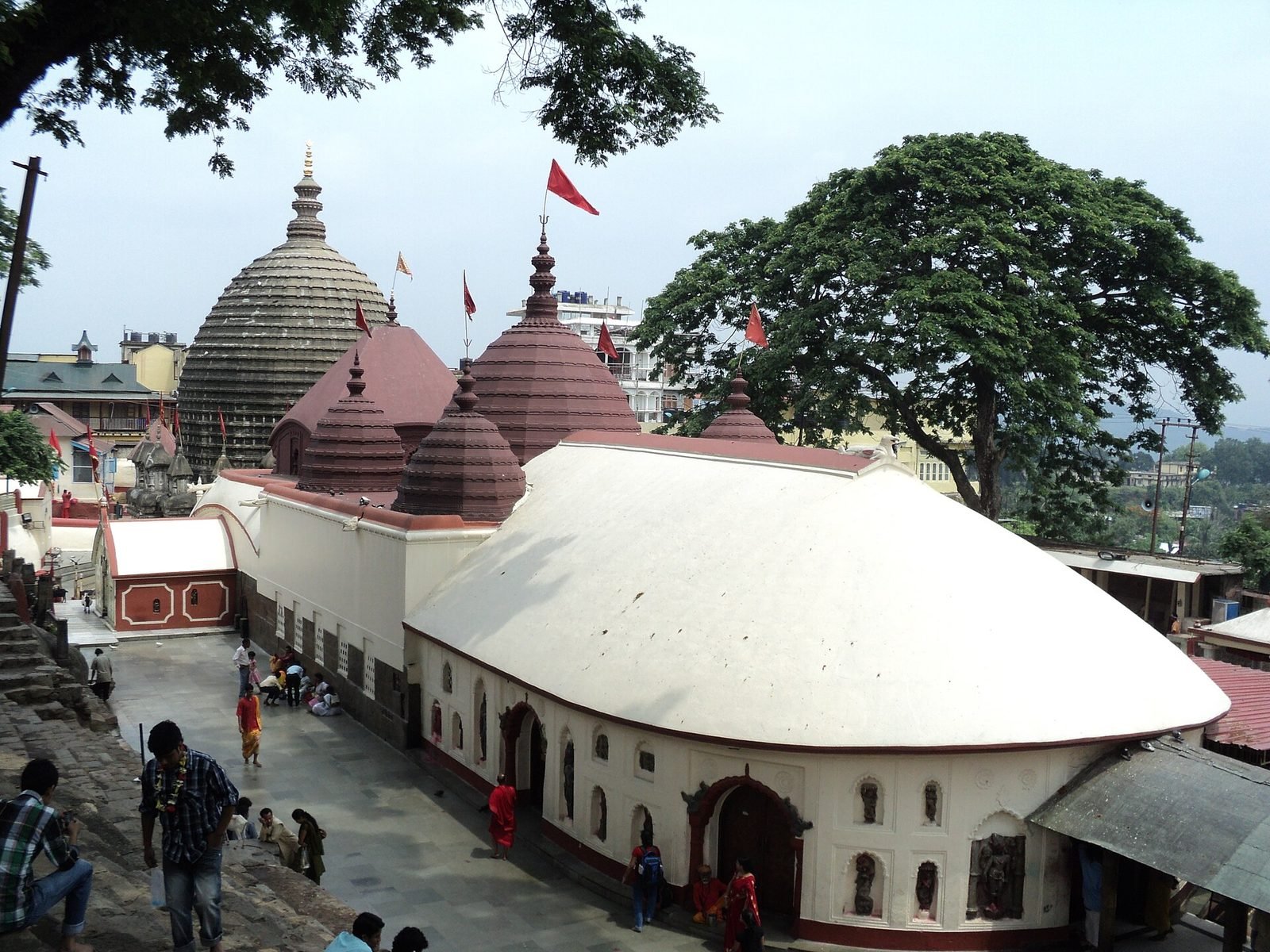
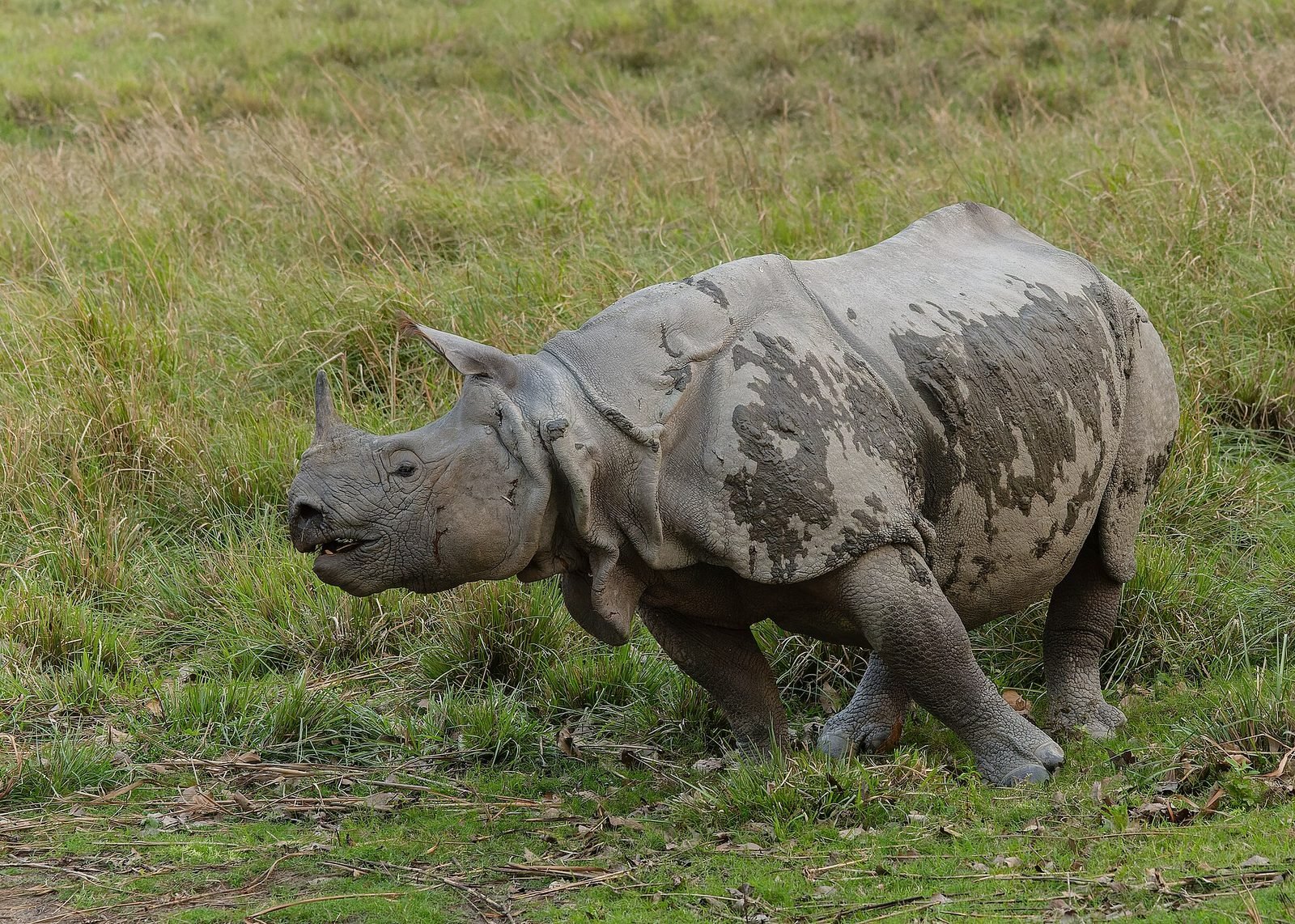
Assam is the gateway to the north-east and increasingly a destination in itself. Kamakhya on Nilachal hill above Guwahati draws pilgrims year-round and millions at Ambubachi in June; the ropeway across the river and the temple corridor project are upgrading access. Kaziranga is the rhino park on NH-27 between Nagaon and Jorhat, with a resort belt at Kohora and Bagori that is the state's most developed leisure hospitality market; land along the highway outside the eco-sensitive zone trades on the resort thesis. Majuli, the river island off Jorhat, is the satra heartland and a cultural tourism product with bamboo-cottage homestays. Sivasagar holds the Ahom monuments, and the Charaideo moidams, the Ahom royal burial mounds, won UNESCO World Heritage status, which has put upper Assam on a heritage circuit. Manas in the west, Haflong and the Dima Hasao hills, the Umananda river temple, the Brahmaputra cruises and the tea-garden bungalow stays around Dibrugarh and Jorhat round out the map.
The hospitality angle is two markets. In Guwahati, the hotel and service-apartment demand is medical, business and transit: patients' families near the hospitals, companies' north-east staff, and travellers in and out of the hills. Supply is thin above the three-star level and room rates are high for the city's size; small service-apartment buildings in Bhangagarh, Six Mile and near the airport earn well. Outside the city, the Kaziranga and Majuli belts and the tea-bungalow conversions are the leisure product, limited by the Kaziranga eco-sensitive rules and by the short October-to-April season. Buy with an operator lined up and a season plan; this is not a sit-and-hold market.
Photos: Tisha Mukherjee, CC BY-SA 4.0, via Wikimedia Commons · Udit Kapoor, CC BY-SA 4.0, via Wikimedia Commons · Deepraj, CC BY 2.5, via Wikimedia Commons
09Legal Checks, Stamp Duty and Property Tax: Assam Specifics
Who may buy. Any Indian citizen may buy land in Assam outside the protected areas. The protected areas are large: the tribal belts and blocks notified under Chapter X of the Assam Land and Revenue Regulation, where only members of the protected classes (notified tribes and certain communities) may hold land and any transfer to others is void even if registered; the Sixth Schedule autonomous districts of Karbi Anglong, Dima Hasao and the Bodoland Territorial Region, with their own land rules; and the proposed heritage belts around satras and historic sites. A tribal-belt check on the Dharitree portal and with the Circle Officer is the first step for any plot in Kamrup, Sonitpur, Nagaon, Morigaon or the western districts.
Patta class. Assam land is held under periodic patta (heritable, transferable, the only kind to buy), annual patta (a yearly lease from the government, not transferable, often sold to the unwary as if it were ownership), or is government land, khas land, wetland or forest. Insist on a periodic patta in the seller's name, the jamabandi (record of rights) from Dharitree, the chitha and the trace map, and a non-encumbrance certificate for 30 years. Land converted from agricultural use needs the Deputy Commissioner's permission for non-agricultural use before a house can lawfully be built.
City approvals. In Guwahati the GMDA gives the land-use and building permission and the Guwahati Municipal Corporation the completion; for flats, demand the GMDA-approved plan, the Assam RERA registration number, the fire NOC, the occupancy certificate and the wetland and hill no-objection where the site is near either. Hill-cutting and construction on the notified hills is illegal and the state has demolished buildings for it; so is building inside the Deepor Beel and Silsako Beel boundaries, where eviction drives have taken down whole colonies.
Stamp duty and registration. Stamp duty runs around 6 percent for men and 5 percent for women in municipal areas, lower in rural areas, and Assam's registration fee is unusually high, quoted at 8.5 percent of value by the portals that cite the IGR; the all-in cost has been among the highest in India and has made under-valuation a habit the state is now attacking with revised zonal values. Confirm the current slab at the sub-registrar's office before you budget, and expect 13 to 15 percent in Guwahati. Registration is through the Panjeeyan e-registration portal and the Dharitree mutation follows.
Property tax and holding costs. Guwahati Municipal Corporation property tax is based on annual value and is modest, typically a few thousand rupees for a flat; the GMDA infrastructure cess on new construction is the bigger one-time charge. Flats in registered societies pay maintenance of ₹2 to 4 per sq ft. For a plot, budget for boundary walls and a caretaker, because unfenced land in Assam gets occupied.
Tax. Rental income and capital gains follow the national rules: short-term gains taxed at slab rates, long-term gains after 24 months at 12.5 percent without indexation, Section 54 and 54F rollovers available, and TDS at 1 percent on purchases above ₹50 lakh. Tea-estate land carries agricultural income exemptions and plantation-specific rules and is a specialist purchase.
Rates on this page are indicative asking prices gathered from transactions and listings Mr. Homez handled or reviewed. They change with every quarter and every collector-rate revision. Stamp duty, cess and tax rules are summarised from government notifications current at the time of writing; confirm the live figures with the sub-registrar before you commit money. This is market commentary, not legal or investment advice.