
01Ground Reality: One Market, Three Governments, Six Price Logics
The National Capital Region is the biggest property market in India by value and the most fragmented by law. Delhi is a Union Territory run by the DDA and the municipal corporation; Gurugram and Faridabad are Haryana under DTCP and HSVP; Noida, Greater Noida and Ghaziabad are Uttar Pradesh under development authorities that own the land outright. A buyer who treats it as one market gets the tenure, the tax and the regulator wrong three times over.
The money comes from everywhere. Delhi's own economy is government, trade, services and the richest private wealth in the country; Gurugram adds corporate India's headquarters and the GCC boom; Noida adds IT, media, electronics and the Expressway office belt; Faridabad and Ghaziabad add manufacturing. On top of that sits migration: the NCR absorbs the professional class of Punjab, Haryana, UP, Uttarakhand, Rajasthan and Bihar, and its property prices are what everyone from Chandigarh to Lucknow benchmarks against.
Each city prices on its own logic. Delhi prices on scarcity: no new land, DDA auctions, builder floors on old plots and a Lutyens' zone where bungalows trade at ₹100 crore and up. Gurugram prices on corridors and brands: Golf Course Road, Golf Course Extension, Dwarka Expressway, Sohna Road and New Gurugram, each a band. Noida prices on sectors and the authority: Sector 150, Central Noida, the Expressway, with every plot a 90-year lease. Greater Noida and Ghaziabad price on affordability and the next transit link. Faridabad prices on the discount to Gurugram and the Jewar bridge across the Yamuna.
What changed in the last five years: the Dwarka Expressway opened; the Delhi–Meerut RRTS began running; Jewar's terminal went up; Delhi Metro's Phase 4 lines started opening; a luxury cycle took Golf Course Road, Sector 150 and South Delhi floors up 60 to 100 percent; and the Supreme Court and the NCLT began clearing a decade of stalled Noida and Gurugram towers. The region's mid-market is now priced against a flood of returning supply, and its luxury end against nothing but itself.
The honest caution: the NCR has India's deepest archive of stalled projects, unauthorised colonies and disputed land, from Amrapali and Jaypee in Noida to Unitech in Gurugram to the Delhi colonies that PM-UDAY is still regularising. Buy ready, buy registered, and read the tenure before the brochure.
02Location and Macro Infrastructure: Metro, RRTS, Expressways and Two Airports
The NCR's infrastructure is the densest in India and still behind its traffic. Property values follow the newest link.
Metro and RRTS
- Delhi Metro runs 390-plus km across all six cities: the Yellow Line to Gurugram's HUDA City Centre, the Blue Line to Noida City Centre and Sector 62, the Violet Line to Ballabhgarh, the Red Line to Ghaziabad's Shaheed Sthal, the Aqua Line through Noida to Greater Noida, and the Green Line to Bahadurgarh. Phase 4's Magenta, Pink, Silver and Golden extensions are opening in stages; every new station lifts the builder-floor market around it.
- Delhi–Meerut RRTS, India's first regional rapid rail, runs from Sarai Kale Khan through Ghaziabad, Duhai and Modinagar to Meerut at 160 km/h; Sahibabad, Ghaziabad and Duhai stations have re-priced everything within a kilometre. The Delhi–Alwar and Delhi–Panipat corridors remain proposals.
- Gurugram's Old City metro, the 28 km Millennium City Centre to Cyber City line, is under construction and is the catalyst for Gurugram's older sectors.
Expressways and orbitals
- Dwarka Expressway links Dwarka to NH-48 past Gurugram's Sectors 99 to 113 and, with the Urban Extension Road II, will put the airport 20 minutes from both Dwarka and west Gurugram.
- Delhi–Meerut Expressway cut Meerut to under an hour and made Ghaziabad's NH-24 belt commutable; the Eastern and Western Peripheral Expressways, the KGP and KMP, orbit the city and are the logistics ring; the Delhi–Mumbai Expressway starts at Sohna; the Yamuna Expressway runs Noida to Agra past Jewar; the Noida Expressway is the office spine.
- The Faridabad–Noida–Ghaziabad road and the Jewar link are the eastern connectors that make Faridabad the Haryana side of the airport story.
Airports
Indira Gandhi International is India's busiest airport and the reason Dwarka, Gurugram's Dwarka Expressway and Aerocity price as they do. Noida International at Jewar on the Yamuna Expressway is the region's second airport, with a terminal built and flights beginning; it is the catalyst for YEIDA's sectors, Greater Noida, Faridabad and Palwal. Hindon's civil enclave in Ghaziabad runs regional flights.
Rail
New Delhi, Anand Vihar, Nizamuddin and the planned Bijwasan and Sarai Kale Khan hubs; the Eastern and Western Dedicated Freight Corridors meet at Dadri, which is why Dadri, Greater Noida's Ecotech belt and Kundli are the region's warehousing markets.
03Micro-Markets and What Sells: City by City
Six Tier-1 cities, each with its own corridors. Rates are indicative asking prices from recent deals and listings; Delhi quotes builder floors as a lump sum and plots by the sq yd, the rest quote flats by the sq ft. Gurugram, Faridabad, Noida, Greater Noida and Ghaziabad are covered in depth in the Haryana and Uttar Pradesh guides; here they are placed against Delhi and each other.
| City | Tier | What actually sells | Indicative rates (current) |
|---|---|---|---|
| Delhi | 1 | Builder floors in South and West Delhi, DDA flats, plots in DDA colonies, Lutyens' bungalows, studio and serviced apartments, offices in Connaught Place, Aerocity and Nehru Place, co-working, shops on the high streets | South Delhi floors ₹3–12 crore; Dwarka ₹10,000–16,000/sq ft; Rohini ₹8,000–14,000; plots ₹3–10 lakh/sq yd |
| Gurugram | 1 | Luxury and mid towers, penthouses, DLF-phase plots, Grade A offices, co-working, high-street retail | Flats ₹8,000–45,000/sq ft by corridor; plots ₹2.5–6 lakh/sq yd |
| Noida | 1 | Apartments, authority plots, Expressway offices, Film City and data-centre land | Flats ₹7,000–18,000/sq ft; plots ₹1.5–4 lakh/sq yd |
| Greater Noida | 1 | Greater Noida West apartments, YEIDA and GNIDA plots, villas, institutional land | Flats ₹5,500–9,000/sq ft; YEIDA plots ₹40,000–90,000/sq yd |
| Faridabad | 1 | Neharpar apartments, builder floors, HSVP plots, industrial sheds | Flats ₹5,500–9,000/sq ft; plots ₹1.5–3 lakh/sq yd |
| Ghaziabad | 1 | Indirapuram, Vaishali, Raj Nagar Extension and Crossings apartments, builder floors, sheds | Flats ₹4,500–10,000/sq ft; plots ₹60,000–2 lakh/sq yd |
Delhi: the city with no new land
South Delhi is the builder-floor capital: Greater Kailash, Defence Colony, Vasant Vihar, Panchsheel, Safdarjung Enclave, Hauz Khas and the Saket belt, where a 300 sq yd plot is rebuilt into four floors and each sells for ₹3 to 12 crore. Land here is ₹5 to 10 lakh per sq yd and rising. Lutyens' Delhi is a market of a few dozen bungalows a decade, each above ₹100 crore. West Delhi, Punjabi Bagh, Rajouri Garden, Janakpuri and Paschim Vihar, is the trading families' floor market at ₹2 to 6 crore. Dwarka is the DDA and cooperative-society apartment city near the airport, ₹10,000 to 16,000 per sq ft and rising on the Expressway and the Golden Line. Rohini and Pitampura are the north-west equivalents. East Delhi, Mayur Vihar, Patparganj and Preet Vihar, is cheaper, Noida-adjacent and on the Pink Line. The L-Zone on the Najafgarh side is the DDA's land-pooling scheme, a decade of promises and no finished township yet; buy there only in a registered, pooled project and treat it as a long hold. Delhi's unauthorised colonies, 1,700 of them, are being regularised under PM-UDAY, which converts possession into title for a fee and is the one route to a mortgage in those areas.
Gurugram against Delhi
A Golf Course Road apartment and a South Delhi builder floor cost the same and are different animals: the Gurugram flat comes with a clubhouse, parking, security and a maintenance bill of ₹3 to 6 per sq ft a month; the Delhi floor comes with land underneath it, no amenities and a title that never loses value. Gurugram rents higher and sells faster; Delhi appreciates slower and never falls. The Dwarka Expressway sectors are where Delhi's own buyers now go for a new flat near the airport. Full corridor-by-corridor detail is in the Haryana guide.
Noida and Greater Noida against the rest
Noida is authority leasehold, which Delhi and Gurugram buyers underestimate: the plot is a 90-year lease, transfers need the authority's memorandum and the builder's land dues can block your registry. In exchange it has the region's best-planned sectors, the cheapest Grade A offices and Sector 150's low-density townships. Greater Noida West is the NCR's affordable apartment market and YEIDA's Jewar-side sectors are its biggest plotted land play. Full detail is in the Uttar Pradesh guide.
Faridabad and Ghaziabad: the discount cities
Faridabad trades at a 30 to 40 percent discount to comparable Gurugram flats and has the Jewar bridge and Amrita Hospital as catalysts; Ghaziabad trades at a similar discount to Noida and has the RRTS, which Noida does not. Both have industrial rental bases that the luxury cities lack, and both have the worst winter air in the country.
Who buys, and in what bracket
- Under ₹60 lakh: Greater Noida West, Raj Nagar Extension, Faridabad's outer Neharpar sectors, Bahadurgarh and Sohna; first-time buyers and the NCR's junior salaried class.
- ₹60 lakh to ₹2 crore: Noida Sectors 75 to 79, Indirapuram, Dwarka DDA flats, New Gurugram and Sohna Road 3 BHKs, Neharpar; the bulk of NCR demand.
- ₹2 crore to ₹6 crore: South and West Delhi builder floors, Golf Course Extension and Dwarka Expressway towers, Sector 150, Noida and Gurugram plots; senior corporate employees, business families, NRIs.
- Above ₹6 crore: Golf Course Road, Camellias-class penthouses, Vasant Vihar and Defence Colony plots, Lutyens' bungalows; founders, promoters and the country's wealthiest families.
04Economy and Employment: What Pays the EMIs
Government and the capital's own economy
The Union government, Parliament, the ministries, the Supreme Court, the embassies, the PSU headquarters and the armed forces' establishments are Delhi's base, with Connaught Place, Nehru Place, Bhikaji Cama Place, Jasola and Aerocity as the office districts and the Lajpat Nagar, Karol Bagh, Chandni Chowk and Sadar Bazaar wholesale and retail trades underneath. Delhi's private wealth, the old trading and industrial families, is the deepest in India.
Gurugram: corporate India's headquarters
Cyber City, Golf Course Road, Udyog Vihar and Sohna Road hold the India headquarters of hundreds of multinationals, the GCC boom of the last three years and the consulting, banking and start-up economy; Manesar adds Maruti and the auto cluster. This is the salaried base that rents and buys from Sohna Road to Dwarka Expressway.
Noida and Greater Noida: IT, media, electronics and offices
HCL, Samsung, Paytm, Adobe, the Sector 16 media district, the Expressway's Grade A campuses, the Sectors 140 to 145 data-centre cluster and YEIDA's electronics and semiconductor parks around Jewar; Greater Noida's Surajpur and Ecotech estates and the Dadri logistics node.
Faridabad and Ghaziabad: the factory towns
Escorts Kubota, JCB, Havells, Whirlpool and the engineering MSMEs in Faridabad; Sahibabad's industrial area, the Bulandshahr Road estates and the NH-24 warehousing in Ghaziabad. These two cities have the rental yields the luxury cities lack.
Education and healthcare as employers
Delhi University, JNU, IIT Delhi, AIIMS, Jamia and the Greater Noida university belt; Medanta, Fortis, Max, Apollo, Amrita and the AIIMS satellites; the NCR is also the country's largest private-school market, and school proximity is a visible price factor from Vasant Kunj to Golf Course Extension.
Industrial land in the region comes through HSIIDC in Haryana, the Noida, Greater Noida and YEIDA authorities in UP and the DSIIDC estates in Delhi, all leasehold with transfer charges; the region's single windows are Invest Haryana, Nivesh Mitra and Delhi's industries department.
05What Changes in the Next 3 to 7 Years
- Noida International Airport at Jewar opening and scaling. The region's biggest catalyst since IGI's Terminal 3: YEIDA, Greater Noida, Sector 150, Faridabad and Palwal re-price as the flight schedule grows.
- RRTS corridors. Delhi–Meerut fully operational, with Delhi–Alwar through Gurugram and Delhi–Panipat as the next proposals; the first is a fact, the others are options.
- Delhi Metro Phase 4 and Gurugram's Old City metro. Every new station lifts the builder-floor and older-sector markets around it; the Golden Line to Tughlakabad and the Aerocity connections are the Delhi ones to watch.
- Dwarka Expressway and UER-II completion. The airport within 20 minutes of Dwarka and west Gurugram, and a new ring road for west and north-west Delhi.
- Delhi Master Plan 2041 and the L-Zone. If the land-pooling scheme finally produces townships, west Delhi gets its first new supply in a generation; if it does not, Dwarka Expressway takes that demand.
- Stalled-project resolution. Amrapali, Jaypee, Supertech and Unitech towers completing through the courts return tens of thousands of frozen units to Noida and Gurugram, which caps mid-market growth and restores liquidity.
- PM-UDAY and colony regularisation in Delhi, which converts possession into title across 1,700 colonies and brings a vast informal stock into the mortgage market.
- Circle-rate revisions across all three states, which push deals into the formal market and raise the cost of entry.
What this means for appreciation: the NCR's trophy corridors, Golf Course Road, Lutyens', Vasant Vihar, Sector 150, are priced for the next five years already and will track the national cycle. The value is in the sectors the metro and the RRTS will touch, in Greater Noida West and YEIDA ahead of Jewar, in Faridabad ahead of the Jewar link, in Dwarka ahead of UER-II and in Delhi's older DDA colonies ahead of redevelopment. The region as a whole grows with corporate hiring and migration; it does not fall for long.
06Civic Life: The Best Services in India, and the Worst Air
Healthcare
AIIMS, Safdarjung, Apollo, Max, Fortis, Sir Ganga Ram and BLK in Delhi; Medanta, Artemis and Fortis Memorial in Gurugram; Jaypee, Fortis and Yatharth in Noida; Amrita in Faridabad. The NCR is where the whole of north India comes for treatment, and hospital proximity is a rental driver from Saket to Sector 51.
Education
Delhi University, JNU, IIT Delhi, IIM Rohtak's Delhi presence, Jamia, Ashoka and O.P. Jindal an hour north, the Greater Noida university belt, and the densest private-school market in the country: DPS, Modern, Vasant Valley, Shri Ram, Pathways, Heritage, Scottish High, Step by Step and hundreds more. School admission cycles move rental demand in Vasant Kunj, Golf Course Extension and Noida's Sector 44 to 50 every spring.
Retail and recreation
Select Citywalk, DLF Promenade and Emporio, Ambience, Cyber Hub, DLF Mall of India, the Great India Place, Connaught Place and Khan Market; the Jawaharlal Nehru and Arun Jaitley stadiums, the Aravalli biodiversity park, Lodhi Garden, Sultanpur and Damdama; the capital's museums, galleries and food are the cultural anchors.
The civic realities
- Air: the defining problem. Delhi, Ghaziabad, Noida, Gurugram and Faridabad sit at the top of global pollution rankings every winter, with AQI above 400 for weeks from late October. Air purification is now a selling feature and a reason wealthy families keep a second home in the hills.
- Water: Delhi's Jal Board supply is uneven and the outer colonies run on tankers; Gurugram's groundwater is over-exploited; Noida depends on canal water and borewells. Ask any society what it paid for tankers last May.
- Drainage: Minto Bridge, the Ring Road underpasses and the Yamuna floodplain in Delhi, Hero Honda Chowk and Narsinghpur in Gurugram, Sector 150 and the Hindon floodplain in Noida and Greater Noida West, Badkhal in Faridabad and Indirapuram in Ghaziabad all flood; the 2023 Yamuna and Hindon floods are the reference events.
- Traffic: the DND, Chilla and Sirhaul borders, NH-24 through Ghaziabad, Rajiv Chowk and Hero Honda Chowk in Gurugram, the Outer Ring Road and Mathura Road; thirty minutes on a map is ninety at 6 pm.
- Power: Delhi's discoms are reliable; the UP and Haryana sides run on society backup through the summer, and the diesel charge per unit is a line item worth reading.
- Governance: three states, five development authorities, two RERAs with teeth and one without, and a Supreme Court that intervenes in NCR real estate more than in any other market in India. The paperwork chapter is longer here for a reason.
07Climate and How to Build for It
The NCR has the continental climate of the north Indian plain, with the Aravalli ridge, the Yamuna and the region's own concrete adding their effects.
Summer runs April to June with 42 to 47°C, loo winds and dust storms; the urban heat island adds two or three degrees to Gurugram and Noida over the villages beside them. Monsoon is late June to September, 700 to 800 mm in bursts that flood the underpasses and the floodplains. Winter from December to February brings 3 to 8°C nights and dense fog that shuts IGI and the expressways; smog season from late October to December is the fifth season and the one that shapes property choices.
What it means for a buyer or builder
- Air filtration and sealed glazing are now standard in new luxury towers and a retrofit cost in older ones; ask whether the society's fresh-air system runs and what it costs.
- North and east-facing units sell at a premium across the region; a west-facing flat on Dwarka Expressway or the Noida Expressway in June runs the air-conditioning around the clock.
- In the floodplain and underpass pockets, check plinth heights, stilt parking and the society's pump; basements in Greater Noida West, Hindon-side Ghaziabad and Delhi's Yamuna colonies are liabilities.
- Terrace waterproofing, external sealing and dust-proof windows matter more than finishes; the climate strips cheap exteriors in three seasons.
- Rooftop solar pays back in both halves of the year, and Delhi's net-metering is the best run in the region; builder floors with roof rights are the natural candidates.
- Fog means the winter airport run takes longer than any app says; for frequent flyers, Dwarka, Aerocity and the Dwarka Expressway earn their premium in December.
08Landmarks, Tourism and the Hospitality Angle
Delhi is India's capital of monuments and its largest hospitality market, and the region's heritage and business tourism underpin a hotel-land economy of its own.
- The Mughal and Sultanate city: the Red Fort, Jama Masjid, Humayun's Tomb, Qutub Minar, Purana Qila, Safdarjung's Tomb and the Mehrauli archaeological park; Chandni Chowk and the walled city's bazaars.
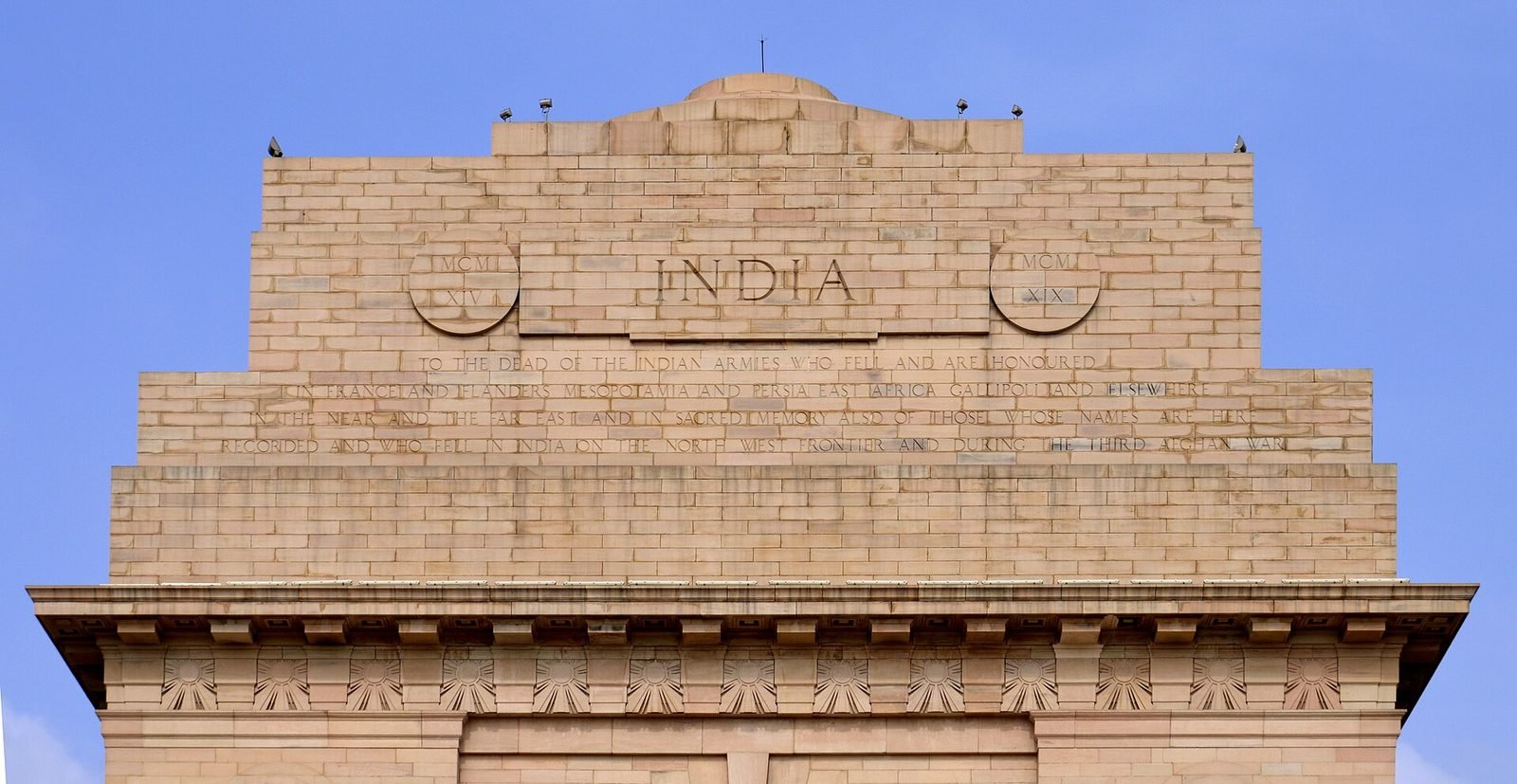
- Lutyens' Delhi: India Gate, Rashtrapati Bhavan, Rajpath's Kartavya Path, Connaught Place and the bungalow zone; the Lodhi Garden and Khan Market belt is the city's most expensive address and its hospitality heart.
- The spiritual city: Akshardham, the Lotus Temple, Bangla Sahib, Nizamuddin's dargah and Hauz Khas village's monuments and restaurants.
- Aerocity and the business-hotel belt: the airport hospitality district that is the region's newest and most profitable hotel market, with Gurugram's Cyber Hub and Golf Course Road as the corporate alternatives.
- Noida's Film City, Expo Mart and the Buddh International Circuit on the Yamuna Expressway; Greater Noida's convention and exhibition economy around Jewar.
- Surajkund, Badkhal, Sultanpur and Damdama: the Aravalli lakes and the Surajkund mela on the Faridabad–Gurugram side; the farmhouse and banquet belt that hosts the region's weddings.
The practical takeaway: Aerocity and the airport belt, Lutyens' and Khan Market, Cyber Hub and the Yamuna Expressway's convention zone are the hospitality plays with real liquidity; the Gurugram–Faridabad farmhouse and banquet belt is the wedding economy, where the Aravalli land-use rules catch buyers who skip the check. Heritage property in the walled city is a long hold on conservation rules.
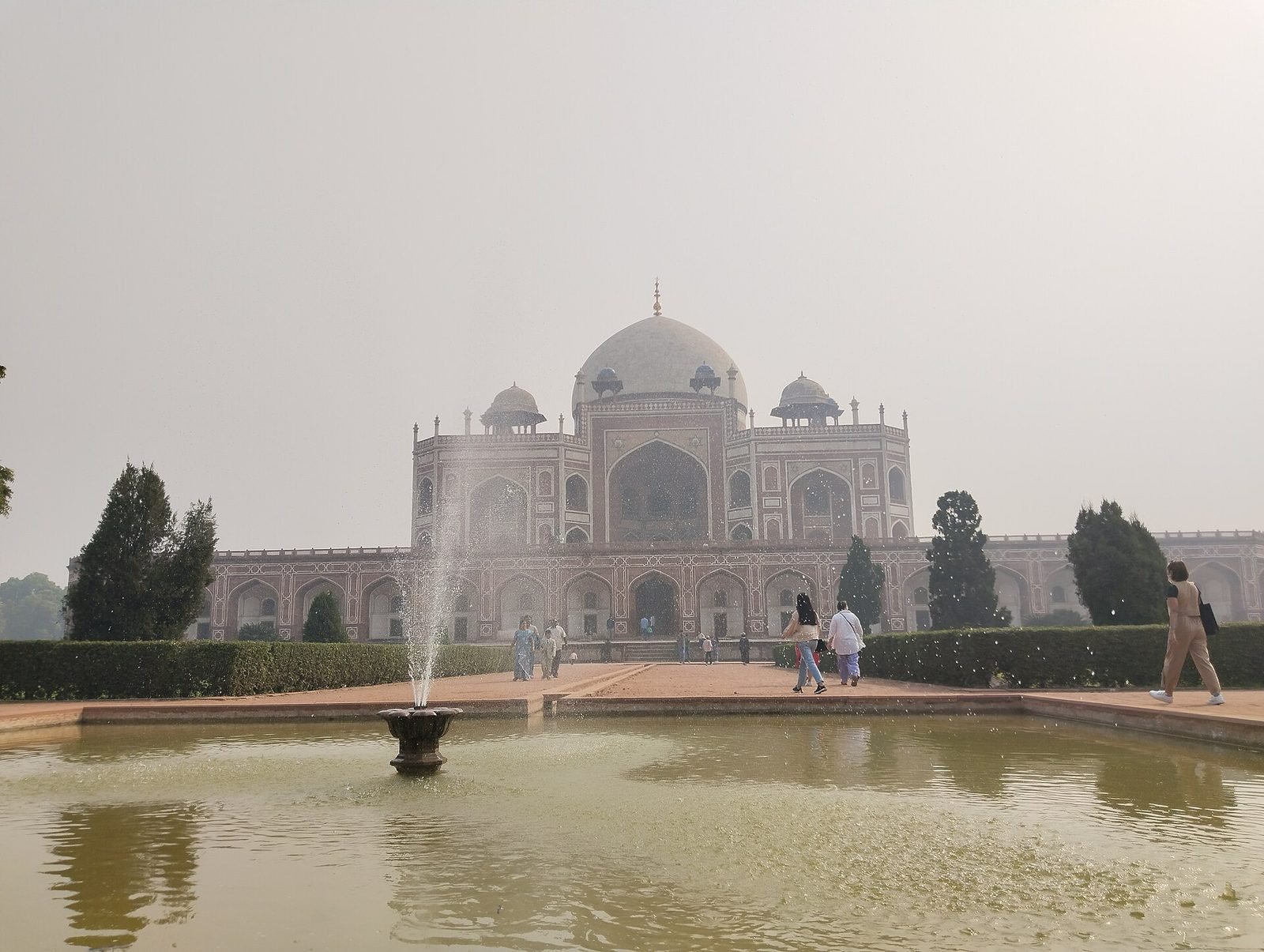
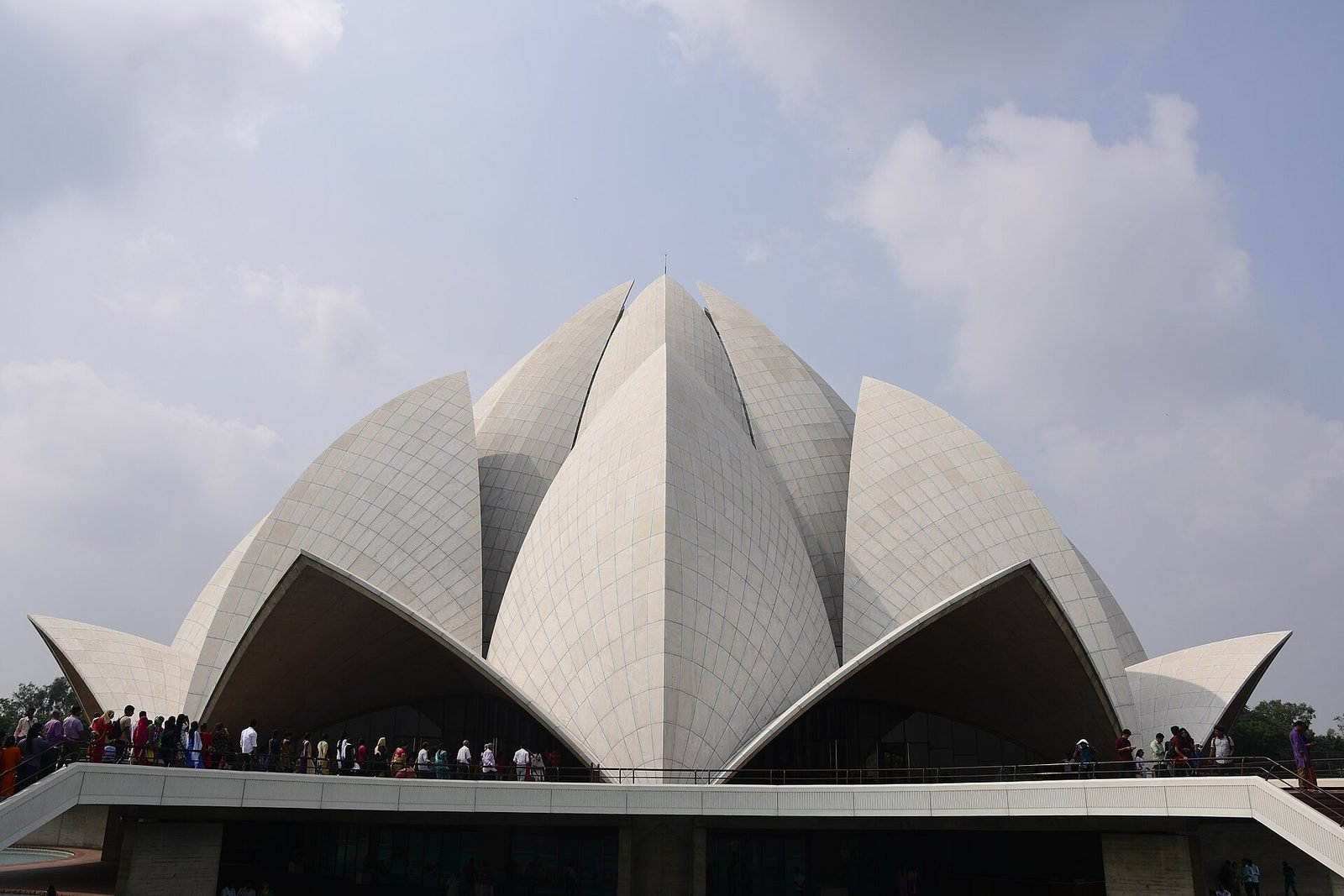
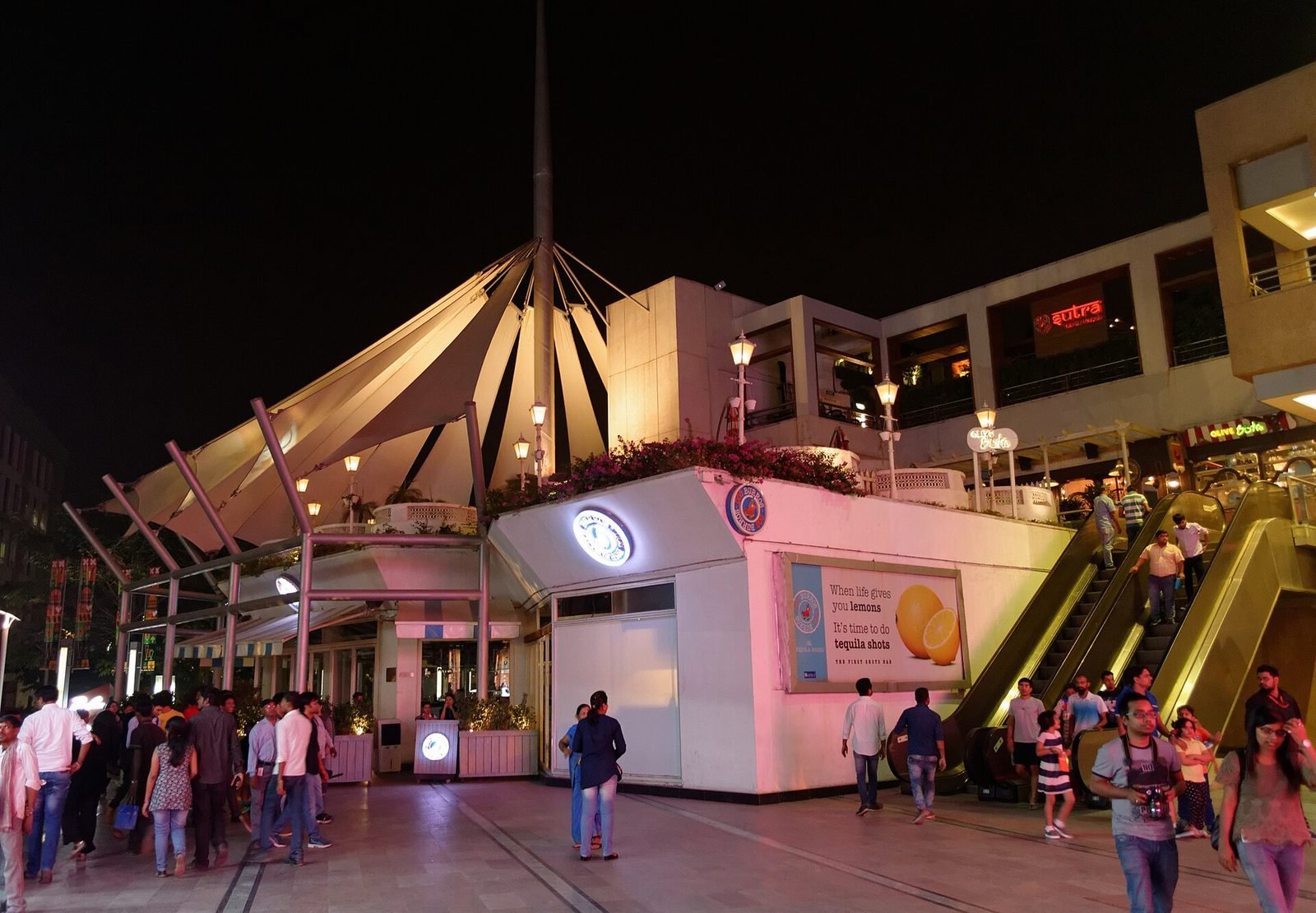
Photos: Komal Sambhudas, CC0, via Wikimedia Commons · Shagil Kannur, CC BY-SA 4.0, via Wikimedia Commons · Slyronit, CC BY-SA 4.0, via Wikimedia Commons
09Legal Checks, Stamp Duty and Property Tax: Three Rulebooks
The NCR runs on three legal systems, and the commonest mistake is applying one city's habits to another. The Haryana and Uttar Pradesh guides carry the full checklists for their cities; here is what differs and what Delhi adds.
Delhi
The DDA owns and allots most planned land and its flats; the municipal corporation sanctions plans and levies property tax; Delhi RERA registers projects but has far less to register than its neighbours because Delhi's supply is builder floors on existing plots. Many DDA and cooperative properties are leasehold and must be converted to freehold with the DDA before a clean sale; builder floors sit on freehold plots and are sold floor by floor with a share in the land. Unauthorised colonies are being regularised under PM-UDAY, which converts possession into a registered title for a fee; without that, a colony property trades on general power of attorney and cannot be mortgaged. Lutyens' zone, the Civil Lines bungalow zone and the heritage areas carry their own building limits. Circle rates run by locality category from A to H and were revised recently.
Gurugram and Faridabad (Haryana)
DTCP licences for private colonies, HSVP sectors, HRERA registration, the Section 7A bar on registering unlicensed plots, the Property ID and no-dues rule, DDJAY affordable plots and the Aravalli land-use trap. Freehold title throughout, except HSIIDC industrial plots.
Noida, Greater Noida and Ghaziabad (UP)
Authority leasehold for 90 years in Noida, Greater Noida and YEIDA, with lease rent, transfer memoranda and the builders' land-dues problem that blocked registries for a decade and was settled by the Supreme Court; UP RERA's Greater Noida bench; Ghaziabad's GDA sanctions and the Hindon floodplain rules; the Section 80 conversion for any plot carved from farmland.
The due-diligence checklist across the region
- Tenure: freehold, DDA or authority leasehold, with conversion done where it can be.
- RERA registration with the right regulator for the city, and the promoter's complaint record.
- Sanctioned plan and occupation or completion certificate against the building as built; in Delhi, the floor-wise sanction and the share of land in the deed.
- Authority or DDA transfer permission, no-dues and the builder's land dues in Noida and Greater Noida.
- DTCP licence, Section 7A position and Property ID in Gurugram and Faridabad.
- PM-UDAY status for any Delhi colony property, and never a purchase on general power of attorney.
- Encumbrances, litigation and family disputes through sub-registrar and court searches; Delhi's partition suits and the NCR's stalled-project proceedings are both public.
- Floodplain, Aravalli and heritage-zone status for anything near the Yamuna, the Hindon, the ridge or the walled city.
Stamp duty and registration
Delhi charges 6 percent stamp duty for male buyers, 4 percent for women and 5 percent joint, plus a 1 percent registration fee, on the higher of the deal value and the category-based circle rate. Haryana charges 7 percent for men and 5 percent for women in urban areas with a capped registration fee; Uttar Pradesh charges about 7 percent with a women's rebate on lower-value deals plus 1 percent registration and the authorities' transfer charges. All three revised circle rates upward recently and change them by notification; confirm the live figures for the city before you budget.
Property tax
Delhi's municipal corporation levies property tax on the unit-area method by colony category, with rebates for self-occupation and early payment; Gurugram and Faridabad use the Property ID system; Noida and Greater Noida charge authority lease rent rather than municipal tax; Ghaziabad's corporation charges annual-value tax. Society maintenance, ₹2 to 6 per sq ft a month in the newer towers, is the recurring cost that matters most across the region.
Units you will hear
Delhi quotes plots in sq yd and builder floors as a lump sum by plot size, "a 300-yard floor"; Gurugram and Faridabad quote plots in sq yd and flats in sq ft; Noida and Greater Noida quote plots in sq m and flats in sq ft of super built-up area. Carpet area under RERA is what you actually get; the gap to super built-up is 25 to 35 percent in most NCR towers.
Rates on this page are indicative asking prices gathered from transactions and listings Mr. Homez handled or reviewed. They change with every quarter and every collector-rate revision. Stamp duty, cess and tax rules are summarised from government notifications current at the time of writing; confirm the live figures with the sub-registrar before you commit money. This is market commentary, not legal or investment advice.