
01Ground Reality: A Small State Priced by People Who Do Not Live In It
Goa is 1.5 million people and a property market driven by the other 1.4 billion. The villa belts of Assagao, Anjuna, Siolim, Moira and Aldona price off Delhi and Mumbai wealth, not Goan incomes; a restored Portuguese house in Assagao trades at ₹5 to 15 crore, a new villa with a pool at ₹3 to 8 crore, and land that can legally be built on at ₹15,000 to 40,000 per sq m. The post-2020 remote-work wave turned a holiday-home market into a residential one, and the opening of Mopa airport pulled the whole of Pernem taluka, from the terminal to the Morjim–Mandrem coast, into the same orbit.
Goans themselves buy differently: flats in Panaji, Porvorim, Margao, Mapusa and Ponda at ₹5,000 to 10,000 per sq ft, houses on family land, and plots in the taluka towns. The state's own economy is tourism, the Mormugao port, the Verna and Kundaim industrial estates with pharma and electronics, the casinos, mining in its reduced post-ban form and a large diaspora in the Gulf, the UK and Portugal whose remittances maintain the ancestral houses.
What changed in the last five years: Mopa opened and the north re-priced; the villa belts went from ₹1 crore to ₹5 crore in Assagao and the demand moved on to Aldona, Moira, Saligao and the Pernem villages; the state tightened the Regional Plan and the orchard-zone conversions after a political storm over Section 17(2) land-use changes; the Zuari bridge cut the north–south drive; and the tourism model shifted from backpackers and charters to domestic weekenders, destination weddings and the villa-rental economy. Prices in the villa belts doubled; Panaji and Margao flats rose 30 to 50 percent.
The honest caution: Goa's titles are the most layered in India. The Portuguese civil code's communion of assets, the comunidade system of village-owned land, the tenancy and mundkar laws that protect cultivators and dwellers, the orchard and no-development zoning of the Regional Plan, the coastal regulation zone and the Form I and XIV records that may show four owners for one plot mean that a cheap Goa plot is almost always cheap for a reason. The buyers who lose are the ones who used a Delhi lawyer.
02Location and Macro Infrastructure: Two Airports, One Highway and the Bridge That Joined the State
Goa is 100 km long and its property values follow NH-66, the two airports and the bridges over the Mandovi and the Zuari.
Airports
- Manohar International Airport at Mopa, in Pernem taluka in the far north, opened and growing; it put the Morjim, Mandrem, Arambol and Querim coast and the Pernem villages within 20 minutes of a terminal and is the biggest re-pricing event in the state's history. The Mopa link road to NH-66 and the planned Mopa–Panaji greenfield road are the land plays.
- Dabolim in the south, inside the naval base, continues with a reduced schedule; it keeps Vasco, Margao and the south coast in play and its long-term future is the south's open question.
Roads and bridges
- NH-66 runs the length of the state from Pernem through Mapusa, Porvorim, Panaji, Verna and Margao to Canacona and Karwar; its widening and the flyovers at Porvorim are the state's main road project and the Porvorim stretch's construction has been the north's daily complaint.
- The new Zuari bridge cut the Panaji–Margao drive to half an hour and tied the two halves of the state together; the Mandovi bridges carry the north's traffic into the capital.
- NH-748 from Panaji through Ponda to Belagavi and the Karnataka hinterland, and NH-566 to the port; the Ponda industrial estates sit on them.
Rail and port
The Konkan Railway runs the length of the state with stations at Pernem, Thivim, Karmali, Margao and Canacona and links Goa to Mumbai in eight hours and to Mangaluru and Kerala; the Vande Bharat to Mumbai is the business link. The South Western line climbs the Ghats to Belagavi and Hubballi through Dudhsagar. Mormugao port handles the state's cargo and the cruise traffic; its coal-handling has been the south's environmental fight.
03Micro-Markets and What Sells: Town by Town and Belt by Belt
Seven towns, three tiers and the belts between them that are the real market. Rates are indicative asking prices from recent deals and listings; Goa quotes flats by the sq ft of built-up area and land by the sq m, with villas quoted as a lump sum.
| Market | Tier | What actually sells | Indicative rates (current) |
|---|---|---|---|
| Panaji (with Porvorim, Dona Paula) | 3 | Apartments, heritage houses in Fontainhas, sea-facing flats at Miramar and Dona Paula, offices, shops | Flats ₹7,000–16,000/sq ft; land ₹30,000–1 lakh/sq m |
| Margao (with Fatorda, Colva, Benaulim) | 3 | Apartments, bungalows, villas on the south coast, showrooms | Flats ₹5,000–8,000/sq ft; villas ₹1.5–6 crore |
| Vasco da Gama | 3 | Flats, port and naval rentals, Verna industrial sheds | Flats ₹4,500–7,000/sq ft |
| Mapusa | 4 | Flats, plots, market-town shops, the villa belt's service economy | Flats ₹5,000–8,000/sq ft; land ₹15,000–40,000/sq m |
| Ponda | 4 | Flats, houses, plots, industrial sheds in Kundaim and Bethora | Flats ₹4,000–6,000/sq ft; land ₹8,000–25,000/sq m |
| Bicholim | 5 | Plots, houses, mining-belt land | Land ₹5,000–15,000/sq m |
| Curchorem | 5 | Plots, houses, rail-junction commercial | Land ₹4,000–12,000/sq m |
| North villa belt (Assagao, Anjuna, Siolim, Moira, Aldona, Saligao) | — | Restored Portuguese houses, new pool villas, gated villa projects, rental villas | Villas ₹3–15 crore; buildable land ₹15,000–40,000/sq m |
| Calangute–Candolim–Baga and Pernem coast (Morjim, Mandrem, Arambol) | — | Flats, hotel and shack land, villa projects, Mopa-side plots | Flats ₹8,000–14,000/sq ft; land ₹20,000–60,000/sq m near the beach |
Panaji and the capital belt
Panaji is India's smallest and most liveable state capital: Miramar, Dona Paula and Caranzalem are the sea-facing premium at ₹10,000 to 16,000 per sq ft with the casino boats offshore; Fontainhas and Altinho are the Latin Quarter's heritage houses under conservation rules; Porvorim, Alto Porvorim and Sangolda across the Mandovi are the professional suburb at ₹7,000 to 10,000 with the NH-66 flyover works; Taleigao and Bambolim hold the university, the medical college and the newer apartment projects. Buyers are Goa's own professional class, Mumbai and Bengaluru second-home owners and the casino and hospitality economy.
The north villa belt
Assagao is the market that Delhi made: restored Portuguese houses and new pool villas at ₹5 to 15 crore, with every lane sold and the village fighting its own transformation. The demand moved to Siolim, Anjuna's inland side, Moira, Aldona, Saligao, Parra and Nerul at ₹3 to 8 crore, and then to the Pernem villages, Pernem, Parcem, Mandrem's hinterland and Arambol, where Mopa made land that was ₹3,000 per sq m worth ₹15,000. The product is a villa with a pool on 400 to 1,000 sq m, held by a Delhi or Mumbai family and rented through managers between visits. Buildable land is scarce because most of these villages are orchard or settlement zone with strict coverage, and the Regional Plan's conversions are the political fault line.
The coast: Calangute to Candolim, and Morjim to Querim
Calangute, Candolim, Baga and Arpora are the original tourist strip: flats at ₹8,000 to 14,000 per sq ft, hotel and shack land, and the densest hospitality market in the state, under CRZ. Vagator and Anjuna's beach side are the party and club economy. Morjim, Ashvem, Mandrem and Arambol on the Pernem coast are the boutique-resort belt that Mopa re-priced, with turtle-nesting and CRZ rules on the sand. The south's Colva, Benaulim, Varca, Cavelossim and Palolem are the quieter coast with five-star resorts and a villa market that trades at a discount to the north.
Margao, Vasco and the south
Margao is the south's commercial capital with Fatorda, Aquem and the Comba side for flats at ₹5,000 to 8,000, the Konkan railway junction and the Nehru stadium; Vasco is the port, the naval base and Dabolim, with Verna's industrial estate between the two; Ponda is the temple town and the Kundaim and Bethora estates, Goa's most Goan market. The south moves slower than the north and its buyers are more local.
The mining belt
Bicholim, Curchorem, Sanvordem and the Sattari interior are the mining belt, cheaper, inland and shaped by the ban and the partial resumption of iron-ore mining; plots and houses for local demand, with the Dudhsagar and the wildlife sanctuaries as the tourism edge.
Who buys, and in what bracket
- Under ₹60 lakh: Ponda, Vasco, Bicholim and Margao's outer flats, interior plots; Goan families, port and industrial-estate staff, first-time buyers.
- ₹60 lakh to ₹1.5 crore: Porvorim, Mapusa, Fatorda and Taleigao 2 and 3 BHKs, Candolim and Calangute flats, Pernem plots; Goa's professional class, Mumbai and Bengaluru second-home buyers, the diaspora.
- ₹1.5 crore to ₹5 crore: Miramar and Dona Paula sea-facing flats, south-coast villas, gated villa projects in Siolim and Saligao, Morjim resort plots; business families, senior professionals, NRIs.
- Above ₹5 crore: Assagao and Moira restored houses, Anjuna and Vagator estates, beachfront hotel land; Delhi and Mumbai promoters, film and finance money.
04Economy and Employment: Tourism, the Port, Pharma and the Diaspora
Tourism and hospitality
Eight to ten million tourists a year, now mostly domestic, drive hotels, villas, shacks, restaurants, casinos, weddings and the villa-rental economy; hospitality is the state's largest private employer and the basis of the north's property market. The casino boats on the Mandovi and the land casinos are a contested but large part of it.
Industry: Verna, Kundaim and the estates
The Verna industrial estate with pharma, electronics and food processing, Kundaim and Bethora at Ponda, Pilerne and Tuem in the north, and the IT and start-up habitat the state is trying to build; Goa's industrial land is allotted by the Goa Industrial Development Corporation on long leases and is scarce.
The port, the navy and mining
Mormugao port's cargo and cruise traffic, the naval base at Dabolim and Vasco, and the iron-ore mining of the Bicholim–Curchorem belt, banned in 2018 and partially resumed through fresh auctions; the mining towns' property moves with the trucks.
Government, education and the diaspora
The state government and its public sector, Goa University, the medical college, BITS Pilani's Goa campus, IIT Goa and NIT Goa; and a diaspora in the Gulf, the UK, Portugal and Canada whose remittances maintain the ancestral houses and whose Portuguese passports complicate the succession of family property.
Agriculture and the orchards
Coconut, cashew, areca, rice in the khazan lands and the orchards that the Regional Plan zones as orchard land; the agricultural economy is small but its zoning decides what can be built across most of the state. The single window is the Goa Investment Promotion Board.
05What Changes in the Next 3 to 7 Years
- Mopa's growth and the Mopa–Panaji road. More flights and a direct greenfield link to the capital keep re-pricing Pernem and the north coast; the strongest catalyst in the state.
- Dabolim's future. If the south keeps a civil airport, Margao and the south coast hold their premium; if traffic shifts fully to Mopa, the south discounts further.
- NH-66 widening and the Porvorim flyovers, which end the north's daily jam and open the Porvorim–Mapusa belt.
- The Regional Plan's revisions and the land-use fights. Every conversion of orchard or no-development land to settlement is a political event; the direction of the next plan decides how much more of the villa belt can be built.
- Villa-rental regulation and the homestay rules, which the state is tightening; the rental yield that justifies many villa purchases depends on them.
- The IT habitat and the Verna estate's expansion, which would give the state a salaried tenant base it mostly lacks.
- Mining's partial resumption in the Bicholim–Curchorem belt, and the Mhadei water dispute with Karnataka that shapes the interior.
- Stamp-duty slab revisions and the TCP's conversion fees, which push deals into the formal market and raise the cost of changing a plot's use.
What this means for appreciation: Assagao and Anjuna are priced for the next decade already; the headroom is in the Pernem villages and the Morjim–Mandrem coast ahead of Mopa's growth, in Porvorim after the flyovers and in the south if Dabolim stays. Panaji and Margao flats track the state's own economy. The villa belt is a Delhi–Mumbai sentiment market, and it falls when they do.
06Civic Life: The Best Small-State Living in India, and Its Limits
Healthcare
Manipal in Dona Paula, the Goa Medical College at Bambolim, Victor and Apollo Victor in Margao, Healthway and Vision in Porvorim; serious cases still go to Mumbai or Bengaluru, which the airports make feasible.
Education
Goa University, BITS Pilani Goa, IIT Goa, NIT Goa, the medical and engineering colleges and a school belt from Sharada Mandir to the international schools in Porvorim and Sangolda that the villa-belt families now demand.
Retail and recreation
Mall de Goa and Caculo in the capital, the Calangute and Candolim high streets, the Mapusa Friday market, the Anjuna flea market, the Margao Nehru stadium and the Fatorda football culture; the beaches, Dudhsagar, the spice farms, the Mandovi cruises and a food and music scene that is the point of living here.
The civic realities
- Water and sewage: the villa belts run on wells and tankers in April and May, and most villages have no sewage network; a villa's septic system and well are due diligence.
- Roads and traffic: the Porvorim stretch of NH-66, the Calangute–Candolim strip in season and the village lanes that were built for bullock carts; the flyovers are the fix in progress.
- Garbage: the state's waste problem is visible in every village and is the villa belts' main quality-of-life complaint.
- Power: outages follow the monsoon storms; backup is standard in the villas.
- Local resistance: the villages of the north have organised against conversions, constructions and the hill-cutting that the villa boom brought; a project opposed by the gram sabha is a project with a problem.
- Approvals: the TCP department, the panchayat, the Goa Coastal Zone Management Authority and the heritage committees each sanction a piece; the Regional Plan's zoning and the orchard rules decide what a plot can become, and the conversion sanad is the document that matters.
07Climate and How to Build for It
Goa is tropical, humid and monsoon-soaked, and its Portuguese houses were built for exactly that.
Summer is March to May at 32 to 36°C with rising humidity; the monsoon from June to September brings 2,800 to 3,500 mm, more in the Ghats, with storms that flood the low villages and cut the power; winter from November to February is the dry, pleasant season and the tourist year. The coast erodes, the khazan lands flood with the tide, and the Ghats slide in heavy years.
What it means for a buyer or builder
- Sloped Mangalore-tile roofs with deep overhangs, high ceilings, verandahs and laterite walls were not aesthetics; they were climate engineering, and the new flat-roofed villas leak and bake.
- Plinth height and drainage in the low villages and the khazan edges; the monsoon water line is known house by house.
- Termite treatment, rot-resistant timber and anti-fungal finishes; a villa left empty through the monsoon needs a caretaker and dehumidifiers, and that is a real cost.
- Rainwater harvesting and a reliable well; the villa belts run dry in May and the tanker bill is part of ownership.
- CRZ and the no-development zones decide the beachfront; hill-cutting rules decide the slopes; the heritage committees decide what may change in Fontainhas and the old houses.
- Rooftop solar pays back in the eight dry months; the state's net-metering is reasonable.
08Landmarks, Tourism and the Hospitality Angle
Goa is India's holiday, and its hospitality property is the most liquid in the country per square metre.
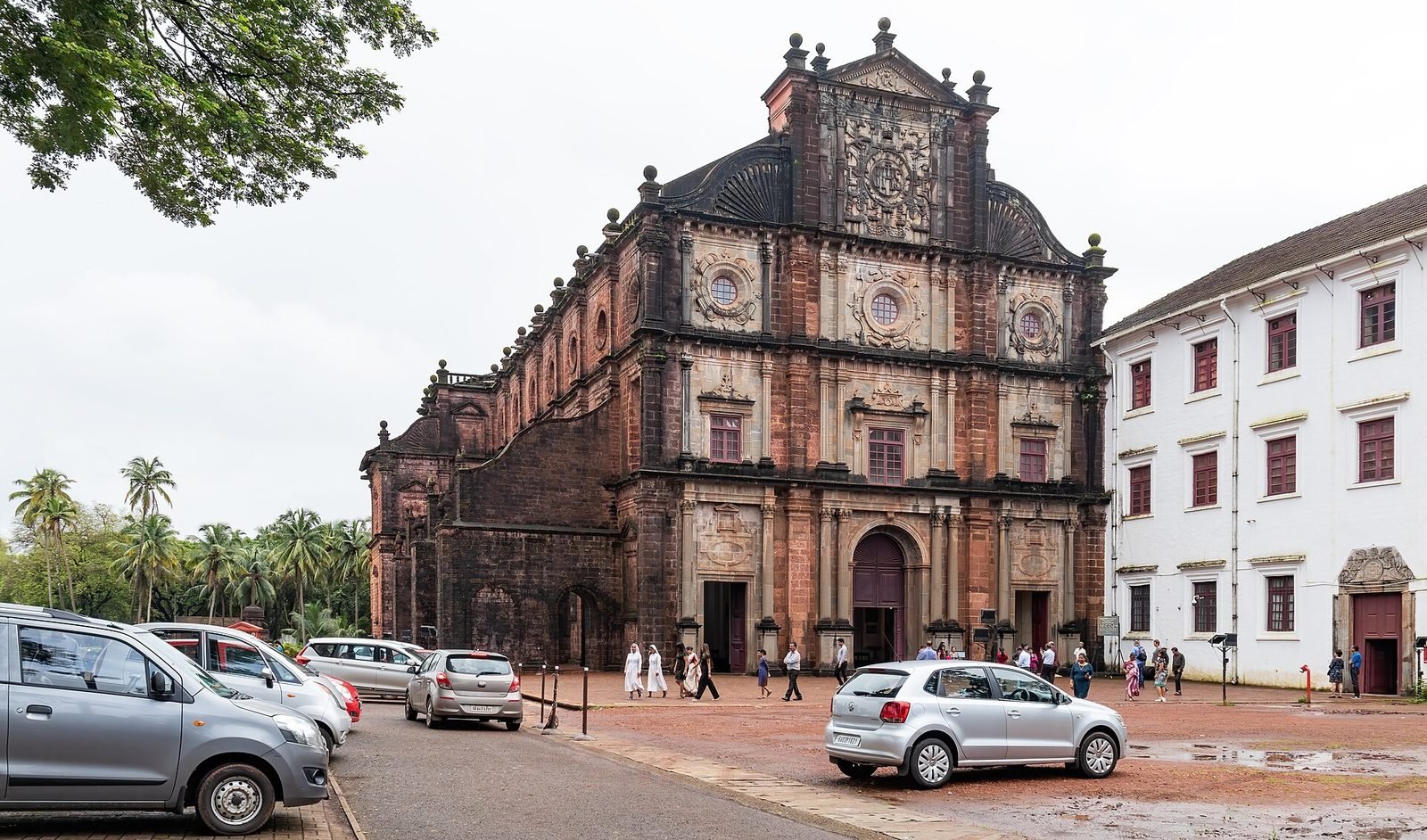
- Old Goa: the Basilica of Bom Jesus, Sé Cathedral and the UNESCO-listed churches; heritage tourism with hotel land along the Mandovi.
- Panaji's Fontainhas and the riverfront: the Latin Quarter's painted houses, the casino boats, the Mandovi promenade; boutique heritage hotels under conservation rules.
- The north beaches: Calangute, Baga, Candolim, Anjuna, Vagator, Morjim, Ashvem, Mandrem and Arambol; shacks, clubs, boutique resorts and the villa-rental economy, under CRZ and the turtle-nesting rules.
- The south beaches: Colva, Benaulim, Cavelossim, Agonda and Palolem; the five-star belt and the quieter huts and resorts.
- Dudhsagar, the Ghats and the spice farms: the waterfall, the Bhagwan Mahavir sanctuary, Ponda's spice plantations and temples; eco-resorts and the interior's small hospitality market.
- Chapora, Aguada and Cabo de Rama: the forts and the sunset economy; Aguada's hotel belt is the state's most valuable hospitality land.
- Divar, Chorao and the river islands: the slow Goa of heritage homestays and birdwatching, with ferry access and strict rules.
The practical takeaway: villa rentals in the north, boutique resorts on the Pernem coast and heritage conversions in Panaji and the old villages are the hospitality plays with real liquidity; beachfront hotel land is scarce and CRZ-bound; the interior is a long hold. The villa-rental economy depends on the state's licensing rules, which are tightening.
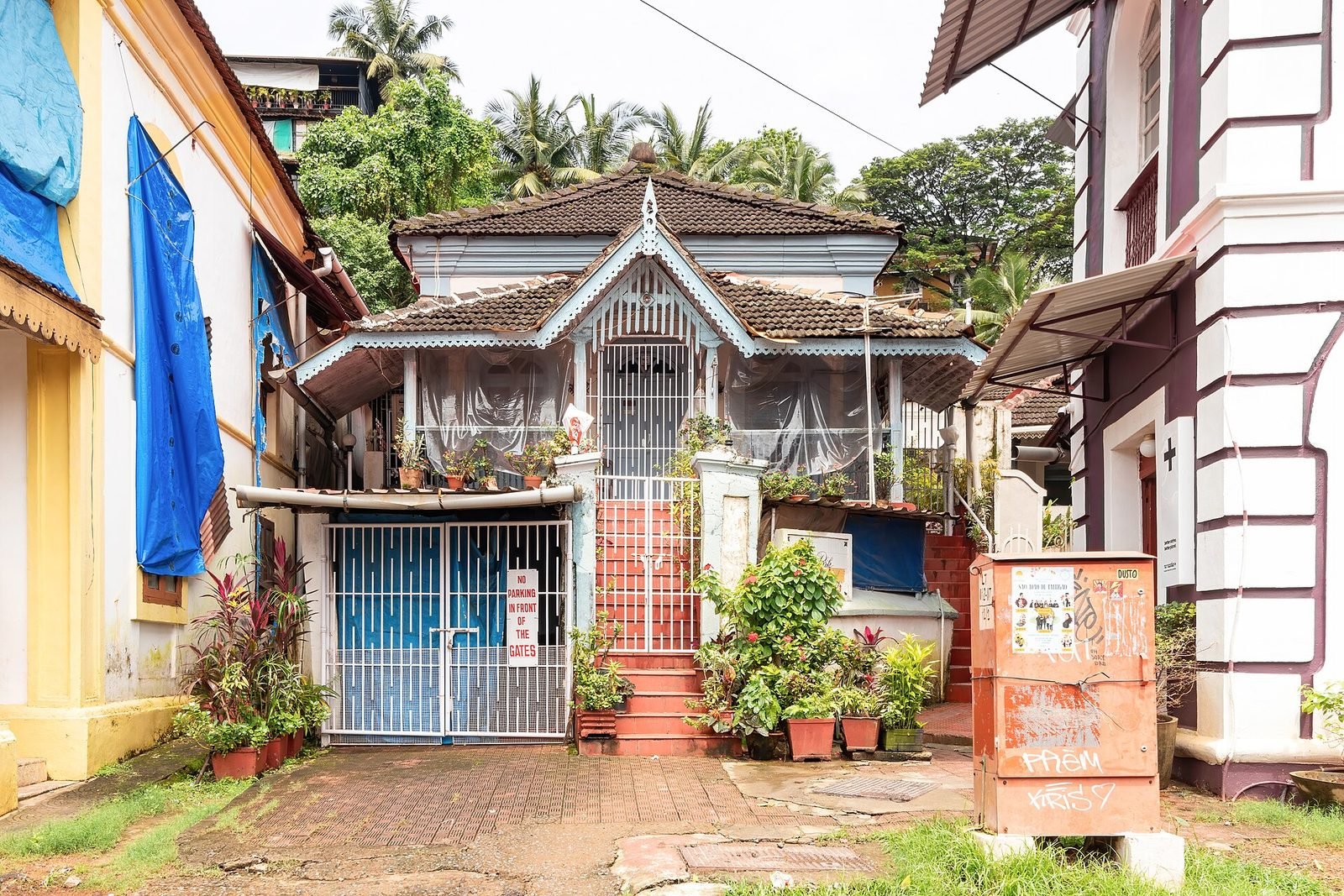
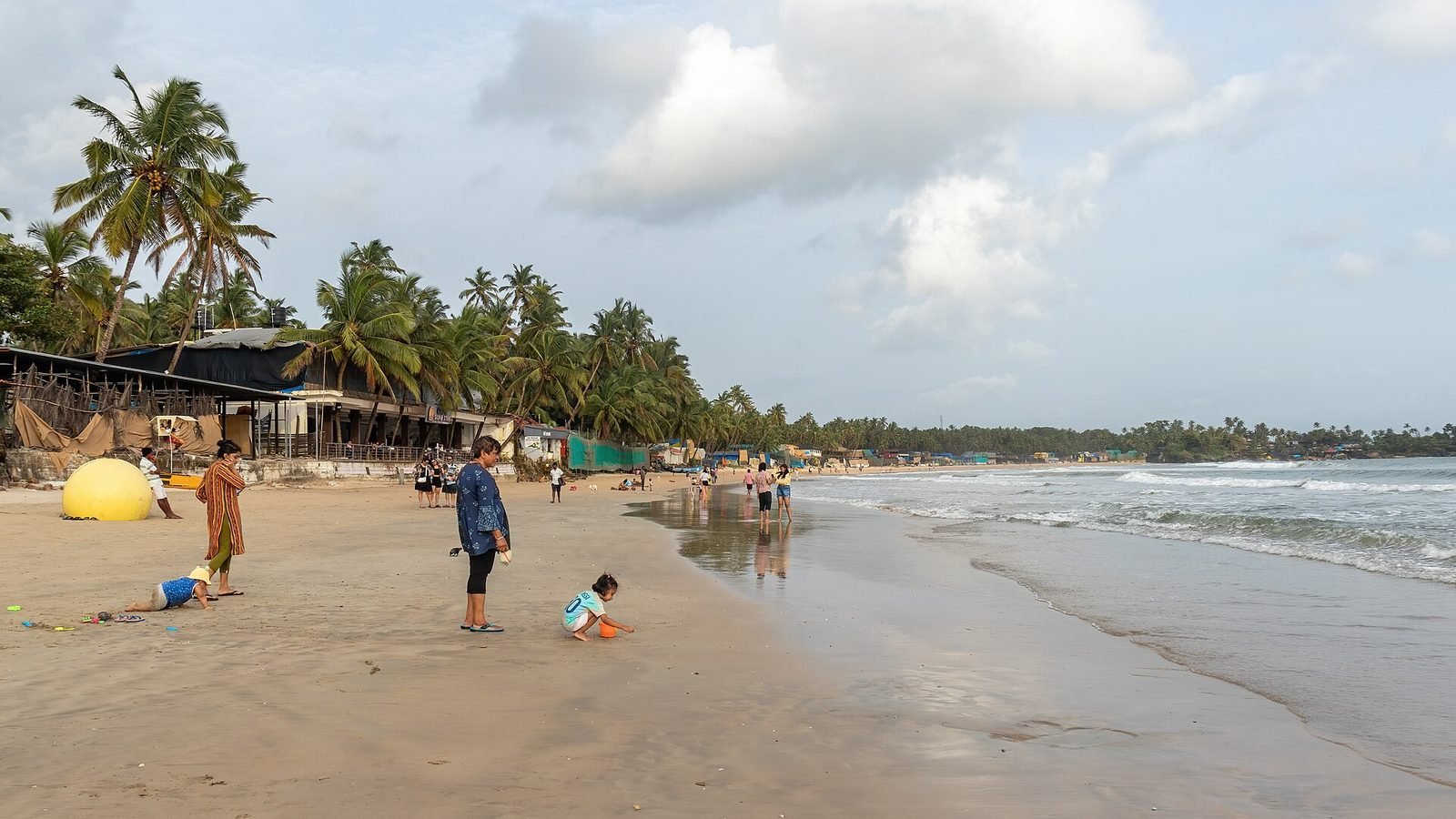
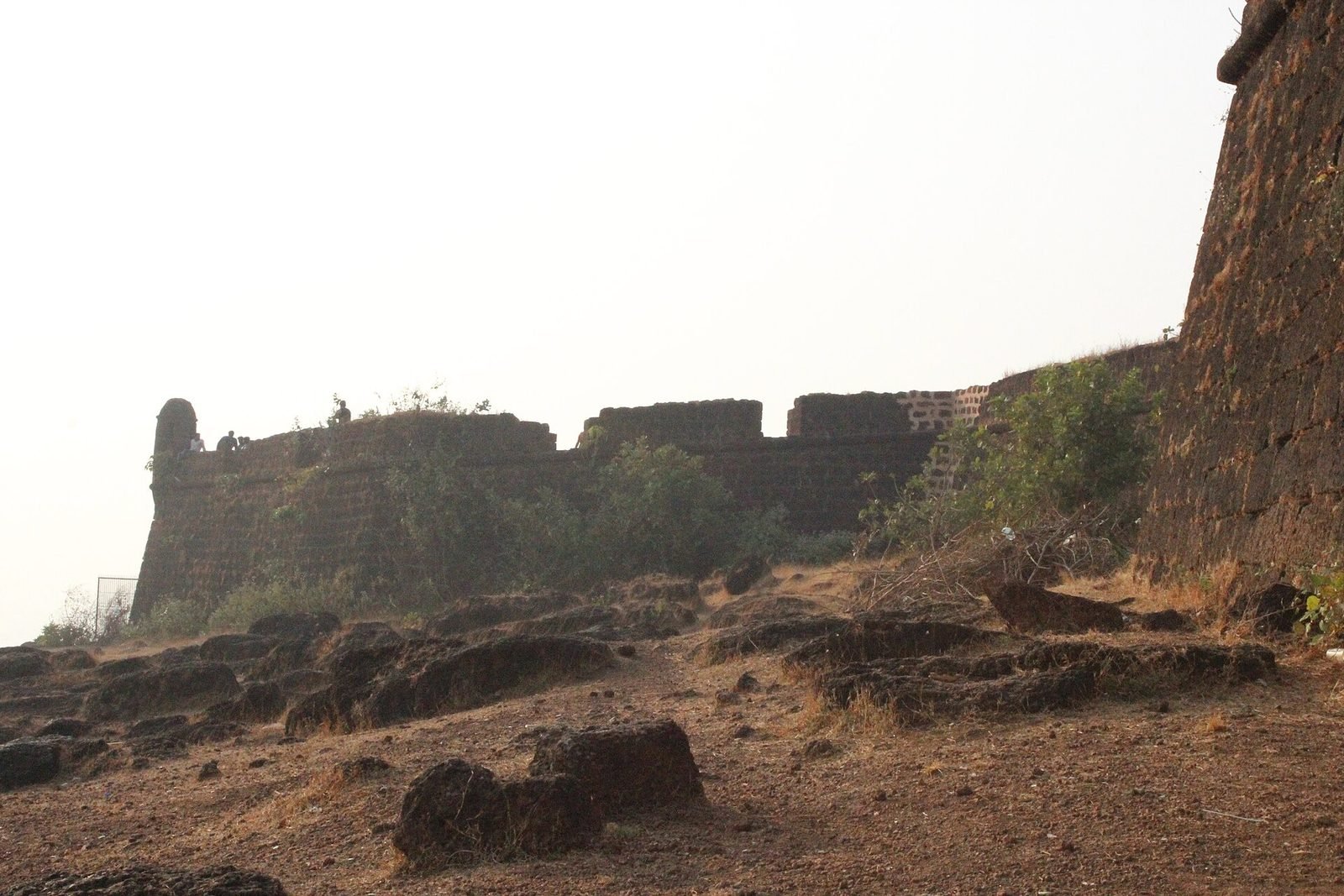
Photos: iMahesh, CC BY-SA 4.0, via Wikimedia Commons · Rajeeb Dutta, CC BY-SA 4.0, via Wikimedia Commons
09Legal Checks, Stamp Duty and Property Tax: Goa Specifics
Goa's title is the most layered in India, inherited from Portuguese law and the state's own protections for cultivators and villages. The losses come from buying what the records say belongs to someone else, or cannot be built on.
Who approves what
The Town and Country Planning Department zones the state through the Regional Plan and the outline development plans and grants the conversion sanad that changes a plot's use; the panchayats and municipalities issue construction licences and occupancy certificates; the Goa Coastal Zone Management Authority enforces CRZ; the Directorate of Settlement and Land Records holds the Form I and XIV for rural land and the Form D for urban property, with the survey number and the sub-division; the Mamlatdar handles mutation, tenancy and mundkar matters; the Administrator of Comunidades oversees village-owned land; Goa RERA registers projects above the usual thresholds; GIDC allots industrial land.
The Goa-specific layers
- The Portuguese civil code: spouses own property jointly by default under the communion of assets, so both must sign, and succession follows the code's forced-heirship rules; an inventory proceeding is often needed before a family property can be sold, and a diaspora heir in Portugal or the Gulf can block a deal.
- Comunidade land: village-community land administered by the comunidade cannot be sold by an individual and is granted on long leases through a process the state has repeatedly reformed; a "comunidade plot" sold freehold is not an asset.
- Tenancy and mundkar: the Agricultural Tenancy Act and the Mundkar Act give cultivators and dwellers protected rights that survive a sale; a tenant's name in the "other rights" column of Form I and XIV or a mundkar's house on the plot can mean you own land you cannot use.
- Orchard, settlement and no-development zones: the Regional Plan's zoning decides whether a plot can be built on at all and at what coverage; converting orchard land to settlement needs the TCP's sanad and is the state's main political fight.
- CRZ and the beach: no construction within the coastal zone's limits, and the fishing-village and turtle-nesting rules on top; most beachfront "plots" cannot be built on.
The due-diligence checklist
- Form I and XIV for rural land or Form D for urban, with the survey number, the sub-division and every name in the occupant and other-rights columns explained; the land-records portal is digitised but the history is on paper.
- Title chain for 30 years and the inventory or succession proceedings for family property, with every heir's consent and both spouses' signatures.
- Zoning certificate from the TCP under the Regional Plan and the outline development plan, and the conversion sanad if the land is to be built on.
- Tenancy and mundkar clearance from the Mamlatdar, and the comunidade's status if the land is or was village-owned.
- Construction licence and occupancy certificate from the panchayat or municipality, with the plan matching the house; the state's demolition drives against illegal villas are the reference events.
- CRZ, no-development-zone, hill-slope and heritage status; the coastal plan and the heritage lists are public.
- Goa RERA registration for projects, and the society or association transfer for flats.
- Encumbrances and litigation through the sub-registrar and the civil court, which in Goa includes the inventory and tenancy courts.
Agricultural land
Anyone can buy agricultural land in Goa; there is no farmer-only rule and no domicile restriction, which is why the villa belt exists. NRIs and OCIs cannot buy agricultural land, plantations or farmhouses under FEMA, though they may inherit, and many Goan families abroad hold ancestral land through inheritance and Portuguese nationality. The constraint is zoning and tenancy, not eligibility: orchard land cannot be built on without conversion, tenanted land cannot be used, and comunidade land cannot be bought outright.
Stamp duty and registration
Goa charges stamp duty in slabs by value, from about 3.5 percent on the lowest band to 6 percent on the highest, plus a registration fee of 3 percent, so a villa-belt purchase pays around 9 percent; there is no general women's concession. Duty is charged on the higher of the sale price and the government's valuation, which the state has revised upward in the villa belts. Conversion sanads carry their own fees based on the land's zoning. Confirm the live slabs before you budget; the state changes them by notification.
Property tax and holding costs
House tax in the panchayats and property tax in the municipalities are modest; the real holding costs of a Goa villa are the caretaker, the monsoon maintenance, the well and tanker water, the villa-rental licence and the management fee that the rental economy charges. Flats in Panaji and Margao pay society charges in the usual way.
Units you will hear
Goa quotes land in sq m, villas as a lump sum with the plot and built-up area in sq m, and flats in built-up sq ft; coverage and floor-area ratios under the Regional Plan are quoted as percentages of the plot. A "400 sq m plot in settlement zone with sanad" is the phrase that commands the premium; "orchard, no sanad" is the phrase that explains the discount.
Rates on this page are indicative asking prices gathered from transactions and listings Mr. Homez handled or reviewed. They change with every quarter and every collector-rate revision. Stamp duty, cess and tax rules are summarised from government notifications current at the time of writing; confirm the live figures with the sub-registrar before you commit money. This is market commentary, not legal or investment advice.