
01Ground Reality: A Trading State That Buys Property the Way It Trades
Gujarat's property market is run by people who treat real estate as a business, not a dream. Ahmedabad, Surat, Vadodara and Rajkot are trading and manufacturing cities where buyers compare per-square-foot rates the way they compare yarn prices, where cash is still part of many deals and where a plot in a town-planning scheme is the family's savings account. The state's growth is west and south-west out of Ahmedabad, along the SG Highway, towards Sanand, Gandhinagar and the GIFT City; south along the Vadodara–Surat industrial corridor; and in Saurashtra around Rajkot's engineering belt.
The money comes from the diamond trade in Surat and Palanpur, the textile mills and the chemical belt, the petrochemical giants at Jamnagar, Dahej and Vadodara, the ceramics of Morbi, the engineering and auto cluster from Sanand to Rajkot, the ports at Mundra and Kandla and the Gujarati diaspora in Africa, the UK and the United States whose remittances build Charotar's and Saurashtra's bungalows. GIFT City adds a financial-services payroll for the first time. Government is a smaller employer than in most states; trade and industry carry the market.
What changed in the last five years: GIFT City went from a plan to an operating financial centre with towers, a stock exchange and residential demand; the Ahmedabad Metro opened its lines and the Gandhinagar link; the bullet train's Gujarat stretch rose on its piers through Surat, Vadodara and Anand; the Delhi–Mumbai Expressway's Gujarat sections opened from Dahod to Vadodara and towards Surat; Micron's and Tata's semiconductor plants at Sanand and Dholera turned a decade-old industrial region into a real one; and the state doubled jantri rates, its circle rates, in 2023 and revised them again, which pushed cash out of deals and prices up on paper. Ahmedabad's west ran up 30 to 50 percent; Surat's Vesu and Dumas Road more.
The honest caution: Gujarat's land law is farmer-only on agricultural land and the state enforces it. The plotted "farmhouse" and "NA plot" schemes sold on the Ahmedabad fringe, the Dholera road and the Surat outskirts without a genuine NA order are the recurring trap, and the 2023 jantri jump exposed how much of the market had been running on under-declared values.
02Location and Macro Infrastructure: Expressways, the Bullet Train and the Ports
Gujarat has the best roads in India and builds more of them every year; its property values sit on the Ahmedabad–Vadodara–Surat spine, the Saurashtra highways and the new expressways.
Expressways and highways
- Delhi–Mumbai Expressway. Enters Gujarat at Dahod, runs through Godhra, Vadodara, Bharuch, Surat, Navsari and Valsad to the Maharashtra border; the Dahod–Vadodara and Vadodara–Bharuch sections are open and the Surat stretch is following. Godhra, the Vadodara interchanges and the Surat–Navsari belt are the land plays.
- Ahmedabad–Vadodara Expressway (NE-1), the country's first, and the six-lane NH-48 on to Surat and Vapi; the spine of the state's economy.
- Ahmedabad–Dholera Expressway, under construction, the road that will make the Dholera SIR a real place and the Bavla–Dholera corridor a plotted market.
- NH-27 Ahmedabad–Rajkot–Jamnagar, six-laned, and the Rajkot ring roads; the Saurashtra spine.
- Amritsar–Jamnagar Economic Corridor, which ends at the refinery city and links Saurashtra's ports to the north.
Rail, metro and the bullet train
The Mumbai–Ahmedabad bullet train has its terminal at Sabarmati and stations at Ahmedabad, Anand, Vadodara, Bharuch, Surat, Bilimora and Vapi; the Gujarat stretch is the most advanced and the stations are re-pricing their surroundings. Ahmedabad Metro runs east–west and north–south with the Phase 2 link to Gandhinagar and GIFT City; Surat Metro is under construction. The Western Dedicated Freight Corridor runs through the state to the Mundra and Kandla ports, and the Vande Bharat links Ahmedabad to Mumbai and Gandhinagar.
Airports and ports
Ahmedabad's Sardar Vallabhbhai Patel airport is the state's international gateway, with Surat growing fast, Vadodara steady, Rajkot's new Hirasar airport open, and Bhuj, Jamnagar, Bhavnagar and Porbandar on domestic schedules. Mundra, Kandla, Pipavav, Hazira and Dahej are India's busiest port cluster, which is why Kutch, Bharuch and the Saurashtra coast are logistics and industrial land markets rather than housing ones.
03Micro-Markets and What Sells: City by City
Seventeen cities, five tiers. Rates are indicative asking prices from recent deals and listings; Gujarat quotes flats by the sq ft of super built-up area, plots by the sq yd, which it calls the vaar, and farmland by the vigha.
| City | Tier | What actually sells | Indicative rates (current) |
|---|---|---|---|
| Ahmedabad | 1 | Apartments, bungalows and villas in schemes, TP-scheme plots, penthouses, Grade A offices on SG Highway and in GIFT City, co-working, showrooms, warehouses on the ring road | Flats ₹3,500–12,000/sq ft by zone; plots ₹25,000–1.5 lakh/sq yd |
| Surat | 2 | Apartments, bungalows, plots, diamond and textile offices, showrooms, industrial sheds | Flats ₹4,000–9,000/sq ft; plots ₹30,000–1 lakh/sq yd |
| Vadodara | 2 | Apartments, bungalows, plots, showrooms, industrial sheds in Savli, Halol and Makarpura | Flats ₹3,500–7,500/sq ft; plots ₹20,000–70,000/sq yd |
| Rajkot | 2 | Flats, bungalows, plots, engineering sheds, showrooms | Flats ₹3,500–6,000/sq ft; plots ₹20,000–60,000/sq yd |
| Bhavnagar | 3 | Plots, bungalows, flats, ship-breaking and diamond sheds | Plots ₹10,000–35,000/sq yd |
| Jamnagar | 3 | Plots, flats, bungalows, brass-parts sheds, refinery-township rentals | Plots ₹12,000–40,000/sq yd; flats ₹3,000–5,000/sq ft |
| Gandhinagar | 3 | Sector plots and bungalows, flats in Sargasan, Kudasan and Raysan, GIFT City flats and offices | Flats ₹4,500–7,500/sq ft; GIFT City above |
| Junagadh | 3 | Plots, houses, hotel land for Girnar and Gir, agricultural land | Plots ₹8,000–30,000/sq yd |
| Anand | 4 | Plots, NRI bungalows, student PGs, dairy-belt land | Plots ₹10,000–35,000/sq yd |
| Navsari | 4 | Plots, houses, flats, expressway and bullet-train land | Plots ₹10,000–35,000/sq yd |
| Morbi | 4 | Plots, houses, ceramic sheds, worker housing | Plots ₹8,000–30,000/sq yd |
| Bharuch | 4 | Plots, flats, chemical-belt rentals, warehouses | Plots ₹8,000–30,000/sq yd |
| Vapi | 4 | Flats, plots, GIDC sheds, worker housing | Flats ₹3,000–5,000/sq ft |
| Godhra | 5 | Plots, houses, expressway commercial | Plots ₹5,000–18,000/sq yd |
| Patan | 5 | Plots, houses, agricultural land | Plots ₹5,000–18,000/sq yd |
| Palanpur | 5 | Plots, houses, highway commercial | Plots ₹6,000–20,000/sq yd |
| Veraval | 5 | Plots, houses, Somnath hotel land, fishing-port sheds | Plots ₹5,000–18,000/sq yd |
Ahmedabad: the western rings
The city grows west of the Sabarmati in rings defined by its town-planning schemes. The inner west, Navrangpura, Ambawadi, Satellite, Vastrapur and Bodakdev, is the established premium at ₹7,000 to 10,000 per sq ft. Prahlad Nagar, Thaltej and the SG Highway are the office and luxury belt at ₹8,000 to 12,000, with Iscon, Sindhu Bhavan Road and the SBR high street. Bopal, South Bopal, Shela and Ghuma are the volume mid-market at ₹5,000 to 8,000, the city's largest apartment supply. Gota, Chandkheda, Motera and the Science City belt are the north-west's affordable and the stadium's neighbourhood at ₹4,000 to 6,500. Shantigram, Vaishnodevi and the Gandhinagar road are the township and plot play towards GIFT City. The east, Maninagar, Vastral, Nikol and Naroda, is the old industrial side at ₹3,500 to 5,500 with the Metro and the ring road. Plots sell by the vaar in every scheme, and the AUDA TP schemes are the clean titles.
Surat
Vesu, Pal, Adajan and Piplod are the diamond and textile families' belt at ₹5,000 to 8,000 per sq ft; Dumas Road, Althan and the airport side are the premium at ₹6,000 to 9,000 with the Diamond Bourse and the new office towers; Varachha and Katargam are the diamond-worker neighbourhoods; Sachin, Hazira and the GIDC estates are industry. Surat's market is cash-rich, fast and prone to the diamond trade's cycles; the metro, the bullet-train station and the Dumas sea face are the catalysts, and the Tapi's floods are the pocket to check.
Vadodara and Rajkot
Vadodara is Alkapuri, Akota, Race Course and Fatehgunj for the premium, Vasna–Bhayli, Gotri, Waghodia Road and New Alkapuri for the mid-market, and Savli, Halol, Makarpura and the GSFC–IPCL belt for industry; it is the state's most liveable city and its steadiest market. Rajkot is Kalawad Road, the 150-feet Ring Road, Raiya Road and the University Road for housing, and the engineering and auto-component cluster for jobs; the new Hirasar airport and the AIIMS are the catalysts.
Gandhinagar and GIFT City
The capital's numbered sectors are government bungalows and plots; Sargasan, Kudasan, Raysan and the Koba side are the private flats and townships at ₹4,500 to 7,500; GIFT City is an international financial-services centre with its own regulator, offices, a stock exchange and residential towers where buyers are banks, funds and their staff, priced above the rest of the city. The Metro link, the Sabarmati riverfront's extension and the Ahmedabad–Gandhinagar merger in practice are the catalysts.
The industrial corridor and Saurashtra
Bharuch and Ankleshwar are chemicals and Dahej's petrochemical region; Vapi is the chemical GIDC on the Mumbai border; Navsari and Bilimora are Surat's southern suburbs on the bullet-train line; Anand is Amul and the Charotar NRI belt's bungalows; Morbi is ceramics and worker housing; Jamnagar is Reliance's refinery township money and brass parts; Bhavnagar is Alang and the Dholera edge; Junagadh, Veraval and Porbandar are Gir, Somnath and the fishing ports; Patan, Palanpur and Godhra are district towns on the expressway and the Rajasthan road.
Who buys, and in what bracket
- Under ₹50 lakh: Ahmedabad's east and Gota, Vapi, Bharuch and Morbi flats, Tier-3 to Tier-5 plots; factory and trade families, first-time buyers.
- ₹50 lakh to ₹1.2 crore: Bopal, Shela, South Bopal and Chandkheda 3 BHKs, Vadodara and Rajkot flats, Surat's Pal and Adajan; the state's trading and professional middle class.
- ₹1.2 crore to ₹4 crore: Prahlad Nagar, Thaltej and Bodakdev apartments, Vesu and Dumas Road, scheme bungalows and TP plots, GIFT City flats; business families, diamond and textile money, NRIs.
- Above ₹4 crore: SG Highway and Sindhu Bhavan penthouses, Ambawadi and Satellite bungalows, Dumas sea-face towers, Alkapuri estates; promoters and the diaspora.
04Industry and Employment: What Pays the EMIs
Ahmedabad, Gandhinagar and Sanand
Pharma with Zydus, Torrent and Intas, textiles and denim, the Adani group's headquarters, the Nirma and Arvind groups, engineering and the auto cluster at Sanand with Tata Motors, Suzuki, Honda and the Micron semiconductor plant; GIFT City's banks, funds, exchanges and global capability centres; Infocity and the IT campuses in Gandhinagar; the state government and the ISRO, PRL and IIM campuses. The SG Highway, Prahlad Nagar and GIFT City offices carry the salaried base.
Surat
Nine in ten of the world's diamonds are cut and polished in Surat, and its textile mills weave more synthetic fabric than any city in India; the Surat Diamond Bourse, the Hazira industrial zone with Reliance, Essar, L&T and ArcelorMittal Nippon Steel, and the GIDC estates at Sachin and Pandesara employ the city. Varachha's diamond workers and the mill labour rent; the owners build bungalows in Vesu and Piplod.
Vadodara and the chemical corridor
GSFC, IPCL, ONGC, Linde, Siemens, ABB and L&T in Vadodara's Makarpura and Savli belts and the Halol auto cluster; Ankleshwar, Dahej's PCPIR and Jhagadia in Bharuch; Vapi's chemical GIDC; Reliance's refineries at Jamnagar, the world's largest; Alang's ship-breaking and the Pipavav port in Bhavnagar district. The Vadodara–Surat–Vapi corridor is the densest industrial belt in India.
Rajkot, Morbi and Saurashtra
Rajkot's engineering, auto-component, bearing and kitchenware cluster; Morbi's ceramic tiles and clocks, the world's second-largest tile cluster; Jamnagar's brass parts; the cotton, groundnut and fishing economies of Junagadh, Amreli and Veraval; and the diaspora's money across the region.
Industrial land and the SIRs
GIDC allots industrial land in estates across every district on leasehold terms with transfer charges; Dholera is India's first special investment region with its own authority, the Tata semiconductor fab and the planned airport, and Sanand's GIDC estates host the auto and chip cluster. Mundra, Kandla, Hazira, Dahej and Pipavav make Gujarat the country's port state. The single window is the Investor Facilitation Portal under the state's industries department, and the Vibrant Gujarat summits are where the big allotments are announced.
Tourism and pilgrimage
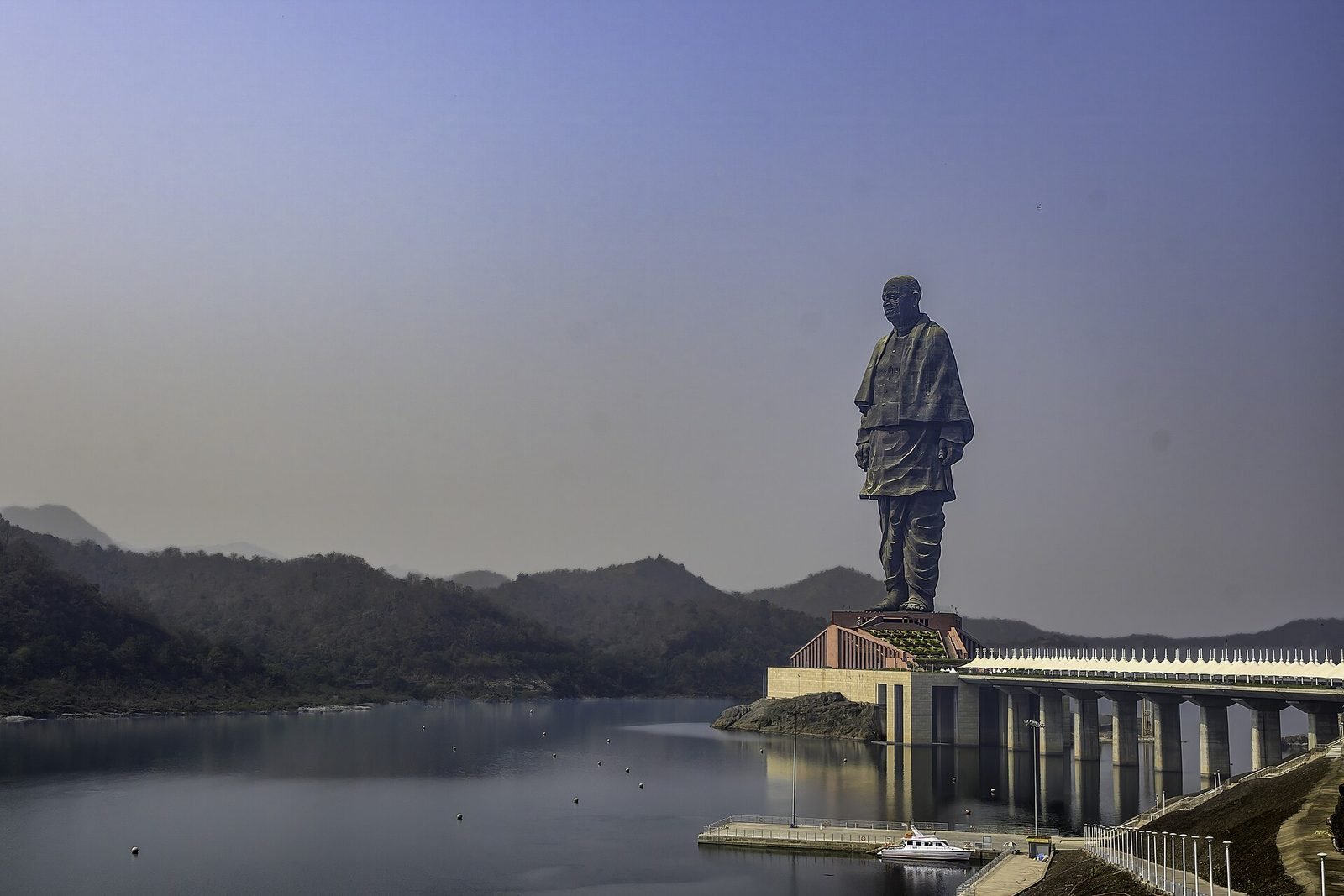
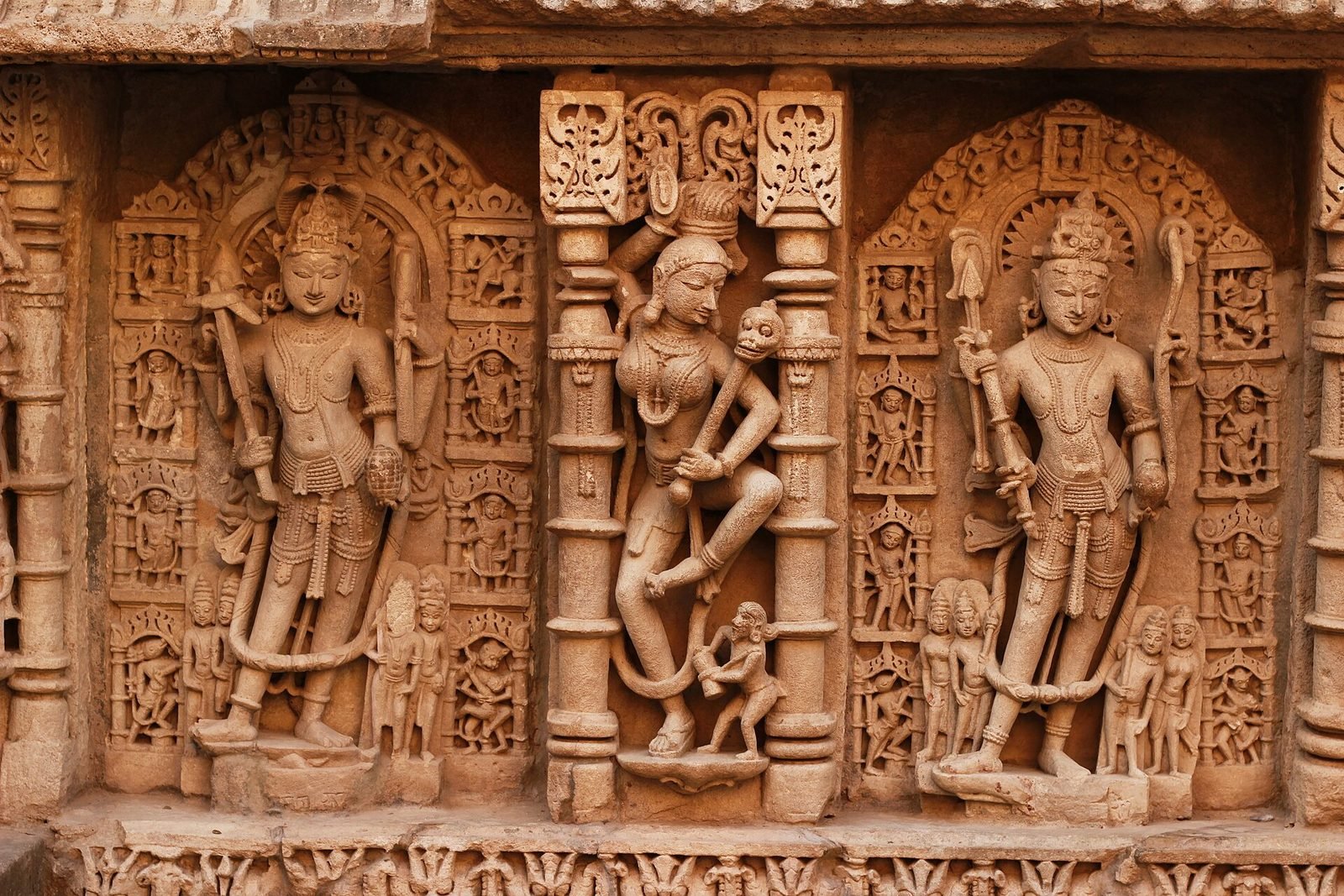
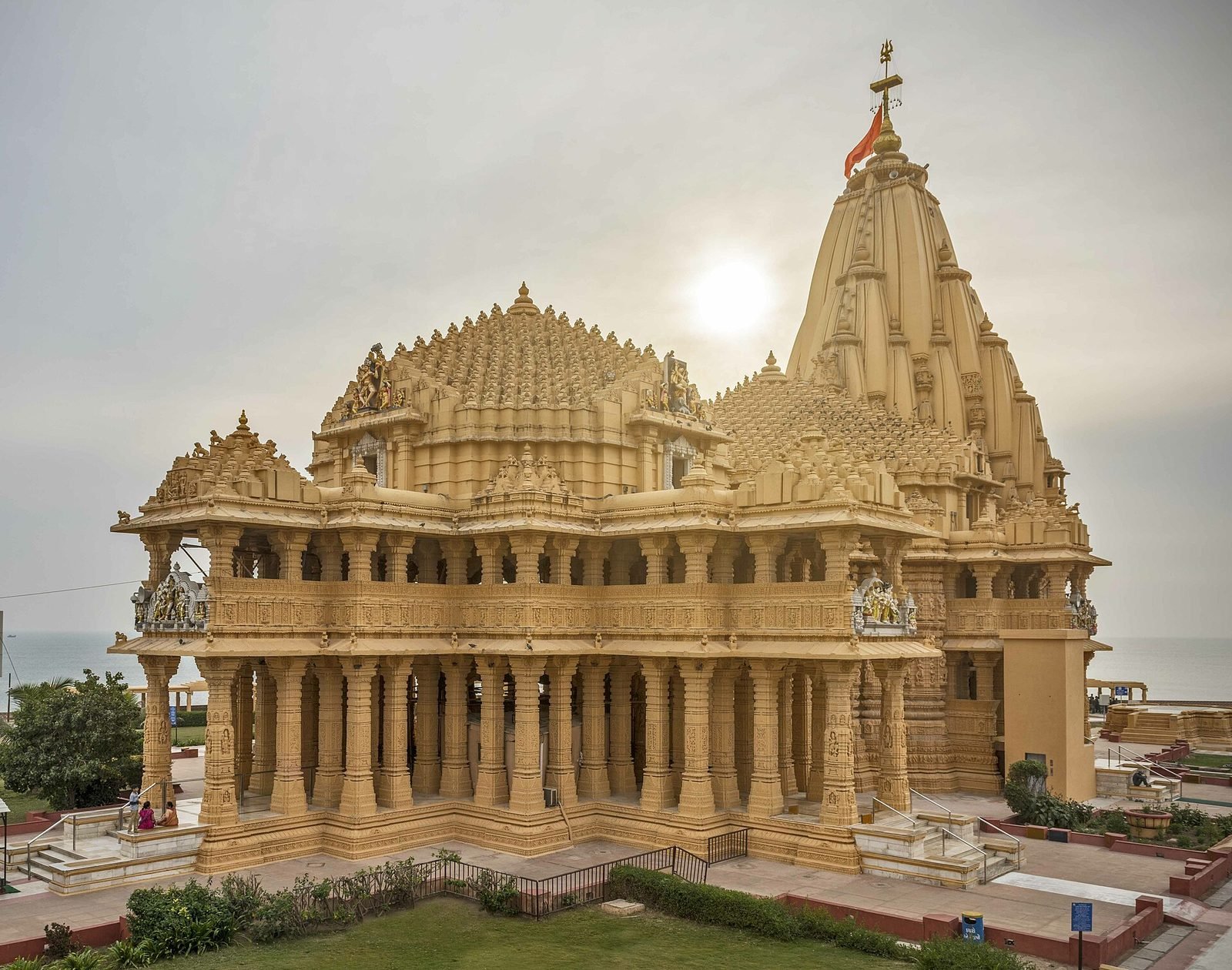
Somnath, Dwarka, Ambaji and Pavagadh draw pilgrims by the crore; the Statue of Unity at Kevadia, the Rann of Kutch, Gir's lions, the Sabarmati Ashram and the UNESCO-listed walled city of Ahmedabad and Rani ki Vav draw the leisure crowd. Hospitality land near Somnath, Dwarka, Kevadia and the Kutch circuit is a growing but small market in a state that was slow to build hotels.
05What Changes in the Next 3 to 7 Years
- The bullet train opening on the Gujarat stretch. Surat, Vadodara and Anand within an hour of Ahmedabad and two of Mumbai; the station precincts at Sabarmati, Surat and Vadodara are the land plays, and Bilimora and Vapi become commuter towns.
- GIFT City scaling up, with more banks, funds and GCCs, the residential towers filling and the Metro link open; Gandhinagar's Raysan, Kudasan and the Koba side re-price with it.
- Dholera SIR and the Tata fab, plus the Ahmedabad–Dholera Expressway and the planned airport; the first real demand in a region that has been a land speculation for fifteen years. Buy only inside the SIR authority's approved plan.
- Sanand's semiconductor and auto cluster, with Micron's plant and the suppliers around it, which turns the Sanand–Bavla road into a housing market.
- Delhi–Mumbai Expressway completion, which makes Godhra, Vadodara's east, Bharuch and Navsari logistics and plotted markets.
- Surat Metro, the Diamond Bourse maturing and the Dumas sea-face development, which keep Surat's west growing.
- Rajkot's Hirasar airport and AIIMS, and the Saurashtra expressway upgrades, for the west's capital.
- Jantri revisions, which keep pushing cash out of deals and formal prices up; the state has signalled regular updates after the 2023 doubling.
What this means for appreciation: Ahmedabad's inner west and SG Highway have priced in GIFT City and the Metro and will track the state's trade cycle; the headroom is in Shantigram and the Gandhinagar road, the Sanand side, the bullet-train precincts and Vadodara's east. Surat moves with diamonds and textiles; Dholera is a long-dated bet that is finally getting an engine. The industrial corridor towns move with their GIDC estates.
06Civic Life: Good Roads, Clean Cities and a Dry Climate
Healthcare
Zydus, Apollo, Sterling, CIMS, Shalby and the civil hospital in Ahmedabad, the largest in Asia; Kiran and the new civil hospital in Surat; Bhailal Amin and Sterling in Vadodara; AIIMS Rajkot; the Gujarat Cancer Research Institute. The state is a medical destination for the diaspora and for east Africa.
Education
IIM Ahmedabad, CEPT, NID, IIT Gandhinagar, DAIICT, PDPU, Nirma, Ahmedabad University, MS University of Baroda, Vallabh Vidyanagar's campus in Anand, SVNIT Surat and Saurashtra University; the Ahmedabad school belt from Satellite to Bopal is a visible price factor.
Retail and recreation
Alpha One, Palladium and the SBR high street in Ahmedabad, VR Surat and Rahul Raj Mall, Inorbit Vadodara, Crystal Mall in Rajkot; the Narendra Modi stadium, the Sabarmati riverfront, Kankaria, Law Garden's night market; the Statue of Unity, Gir, Somnath, Dwarka and the Rann as the weekend circuit. Gujarat is dry, and its nightlife is food and family.
The civic realities
- Water: the Narmada canal network supplies the cities reliably, which is a Gujarat advantage; Saurashtra and Kutch towns still ration in bad years and the Sabarmati's flow is canal water.
- Heat and dust: 42 to 46°C in May across the state, with Kutch and north Gujarat hotter; dust storms and the Thar's edge in Banaskantha.
- Flooding: Surat's Tapi floods, Vadodara's Vishwamitri overflows and Ahmedabad's low-lying east and the Bopal–Shela schemes' drainage in heavy monsoons are the pockets to check; Vadodara's recent floods are the reference event.
- Air: Ahmedabad, Vapi, Ankleshwar and Surat's industrial belts have poor air; the chemical GIDCs are the worst.
- Cyclones and earthquakes: Saurashtra and Kutch sit in the cyclone path and Kutch is seismic zone V; the 2001 Bhuj earthquake is the design case.
- Approvals and the land law: AUDA, SUDA and VUDA are efficient by Indian standards and the TP-scheme mechanism gives clean titles; the fringe schemes sold without NA orders and the farmer-only rule on agricultural land are the traps.
07Climate and How to Build for It
Gujarat is hot and dry inland, hot and humid on the coast, and has a long sunny year broken by a short monsoon.
Summer runs March to June with 40 to 46°C across the state and the loo in north Gujarat; monsoon is late June to September, 700 to 900 mm in Ahmedabad and Vadodara, 1,200 to 1,800 mm in Surat and south Gujarat, 400 to 600 mm in Saurashtra and under 400 in Kutch, in bursts that flood the cities; winter from December to February is mild and dry, 10 to 15°C nights, the tourist season. Cyclones hit the Saurashtra and Kutch coast most years, and the Rann and Kutch are seismic zone V.
What it means for a buyer or builder
- Gujarat's traditional pol houses and havelis with courtyards, thick walls and small openings were climate engineering; cavity walls, insulated roofs and shaded verandahs cut cooling bills by a third against a glass-fronted SG Highway tower.
- North and east-facing units sell at a premium; a west-facing bedroom in Ahmedabad is unusable from April to June without heavy air-conditioning, and Vastu preferences reinforce the same orientation.
- Drainage and plinth height in Surat, Vadodara and the Bopal–Shela schemes; recent floods caught colonies that had never seen water.
- On the Saurashtra and Kutch coast, cyclone-rated fixings, corrosion-resistant fittings and seismic detailing are not optional.
- Rooftop solar pays back faster in Gujarat than almost anywhere; the state's net-metering and the Surya Gujarat scheme are the best run in India.
- Rainwater harvesting and percolation wells are mandatory in the big cities and worth having in Saurashtra; check they work.
08Landmarks, Tourism and the Hospitality Angle
Gujarat's tourism is pilgrimage, heritage and the new monuments, and its hospitality market is young and growing.
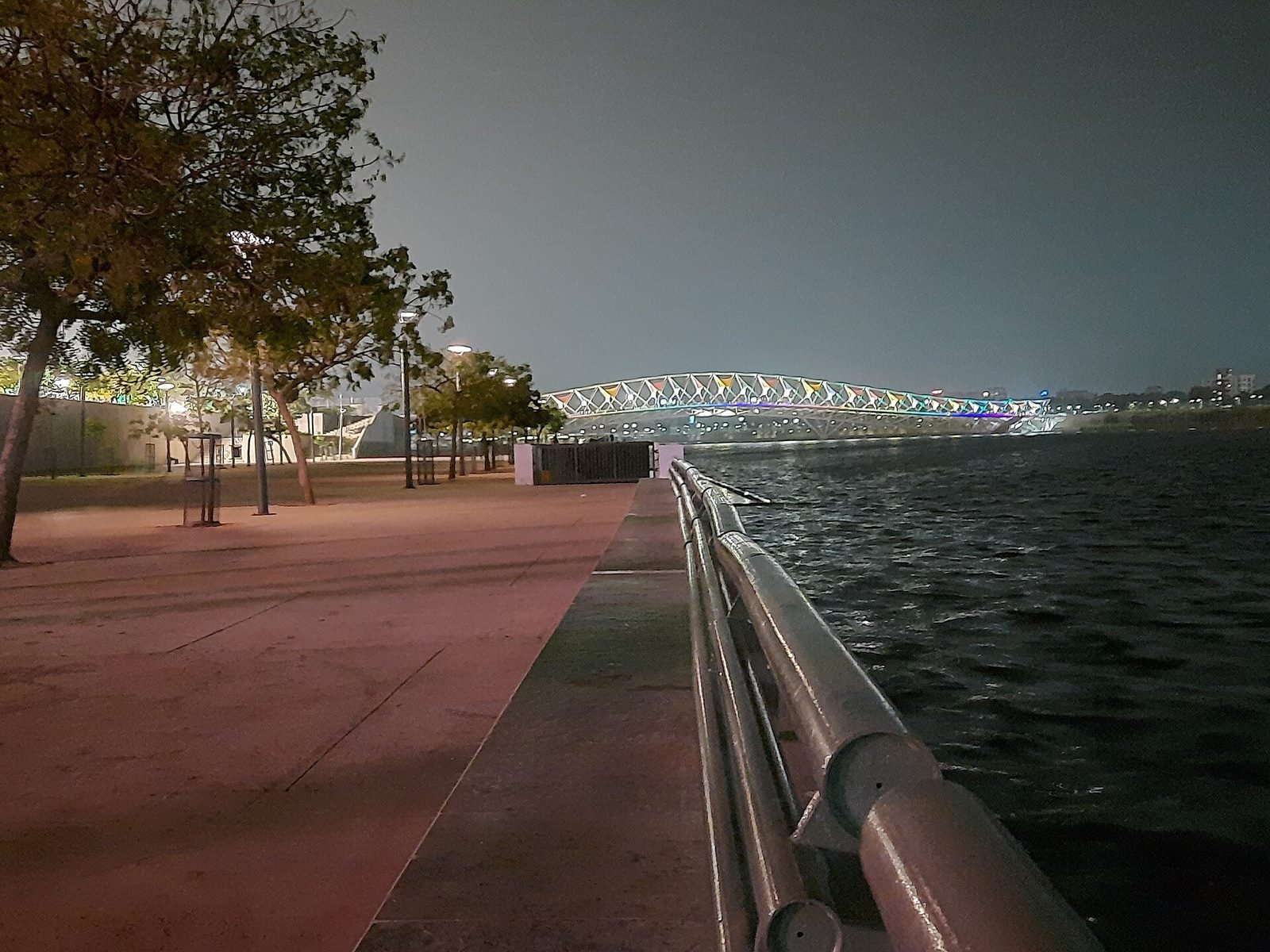
- Ahmedabad: the UNESCO-listed walled city and its pols, the Sabarmati Ashram, Sidi Saiyyed's jali, Adalaj's stepwell and the riverfront; a heritage-hotel and business-hotel market along the SG Highway.
- The Statue of Unity at Kevadia: the world's tallest statue and the tent city, jungle safari and river cruises around it; the state's newest hospitality land market, inside a tightly controlled authority area.
- Somnath, Dwarka, Ambaji, Pavagadh and Palitana: pilgrim centres with dharamshala, hotel and guest-house markets; Somnath and Dwarka are being re-priced by new corridors and the Sudarshan Setu.
- The Rann of Kutch and Bhuj: the Rann Utsav tent city, the white desert and the crafts villages; resort land at Dhordo and Bhuj and a seasonal economy.
- Gir and Junagadh: the Asiatic lion's only home, Girnar's ropeway and the Uparkot fort; resort land at Sasan.
- Rani ki Vav at Patan, Champaner–Pavagadh, Dholavira and Lothal: the UNESCO heritage circuit, with modest hotel supply and the planned maritime museum at Lothal.
- Diu and Daman next door, where Gujarat's dry law does not apply and its weekend money goes.
The practical takeaway: Kevadia, Somnath, Dwarka and the Kutch circuit are the hospitality plays with real growth; Ahmedabad's heritage hotels and SG Highway business hotels are the liquid ones; Gir and Diu are small. The state's dry law shapes every hospitality business plan.
Photos: Snehrashmi, CC BY-SA 4.0, via Wikimedia Commons · B. SurajPatro1997, CC BY-SA 4.0, via Wikimedia Commons · Pravega, CC0, via Wikimedia Commons
09Legal Checks, Stamp Duty and Property Tax: Gujarat Specifics
Gujarat's paperwork turns on the 7/12, the NA permission, the TP scheme and the jantri. The system is efficient; the losses come from the farmer-only rule and the fringe schemes that skip it.
Who approves what
The urban development authorities, AUDA, SUDA, VUDA, RUDA and GUDA, plan their regions through town-planning schemes that pool farmland, lay out roads and return serviced final plots to owners; the municipal corporations sanction building plans inside city limits; the Collector grants non-agricultural permission; GIDC allots industrial land; the Dholera SIR authority runs the investment region; GujRERA registers projects above the usual thresholds and publishes the promoter's record and the carpet-area table. Land records live on the AnyRoR portal with the 7/12, the 8A and the entry number, and the e-Dhara system records mutations.
The farmer-only rule and NA permission
Under the Bombay Tenancy and Agricultural Lands Act as applied in Gujarat, only an agriculturist may buy agricultural land; a non-farmer needs the Collector's permission, granted mainly for bona fide industrial use under the separate route the state created for industry. NRIs and OCIs are barred under FEMA in any case. Farmland becomes buildable only after the Collector's NA permission, which converts it to non-agricultural use and is recorded on the 7/12; the plotted "NA plot" and "farmhouse" schemes sold on the Ahmedabad fringe, the Dholera road and the Surat outskirts without a genuine NA order and an approved layout are the state's commonest trap. A final plot in a sanctioned TP scheme is the clean title the system is built to produce.
The due-diligence checklist
- GujRERA registration for the project, with the promoter's record, the carpet area and the completion date.
- 7/12 and 8A extracts and the entry chain on AnyRoR, with the NA permission recorded and no tenancy, government or gauchar (grazing) land in the survey number.
- TP-scheme final-plot number and the authority's layout approval, or the sanctioned sub-division for private schemes.
- Building-plan sanction and the building-use permission, Gujarat's occupancy certificate, from the corporation; the state's fire-safety and BU drives after the Surat and Rajkot fires are strict.
- Society or association transfer for scheme flats and bungalows, with the share certificate and no-dues; most Gujarat schemes are cooperative societies or non-trading corporations.
- Title search for 30 years through the sub-registrar index and a court check; Gujarat's old joint-family holdings and the tenancy entries from the 1950s cloud many rural titles.
- GIDC and Dholera SIR allotment conditions and transfer permission for industrial and SIR land; coastal and forest status for Saurashtra, Kutch and south Gujarat plots.
Stamp duty and registration
Stamp duty in Gujarat is 4.9 percent, one of the lower rates in India, plus a 1 percent registration fee from which women buyers are exempt. Duty is charged on the higher of the sale price and the jantri rate, which the state doubled in 2023 and has revised again since; the jump exposed under-declared deals and raised the formal cost of entry sharply. Concessions apply to affordable housing and to family transfers. Confirm the live figures before you budget; the state changes them by notification.
Property tax
Municipal property tax in Ahmedabad, Surat, Vadodara, Rajkot and the other corporations is area-based with factors for location, age and use, and is modest; the corporations are efficient collectors and run rebate schemes for early payment. The recurring costs that matter are society maintenance, GIDC lease rent on industrial plots and, in the newer SG Highway and Vesu towers, the clubhouse and common-area charges.
Units you will hear
Gujarat quotes plots in sq yd, which everyone calls the vaar, and flats in super built-up sq ft with the RERA carpet area 25 to 35 percent lower; farmland is quoted in vigha, and the Gujarat vigha is about 1,936 sq yd or 0.4 acre, though it varies by district, with 2.5 vigha to the acre. Convert everything to sq yd or sq m on the 7/12 before you agree a price.
Rates on this page are indicative asking prices gathered from transactions and listings Mr. Homez handled or reviewed. They change with every quarter and every collector-rate revision. Stamp duty, cess and tax rules are summarised from government notifications current at the time of writing; confirm the live figures with the sub-registrar before you commit money. This is market commentary, not legal or investment advice.