
01Ground Reality: A Market That Opened in 2020 and Is Still Working Out What That Means
For 70 years nobody from outside Jammu & Kashmir could buy land here, and the market priced accordingly: land was held by families, sold between locals, and recorded in a revenue system of jamabandis and girdawaris that nobody outside the region could read. The October 2020 land orders changed the law. Any Indian citizen may now buy non-agricultural land, a house or a flat anywhere in the Union Territory without a domicile certificate. Agricultural land stayed with J&K agriculturists, and that is most of the land in the valley and the Jammu plains, so the opening is real but narrower than the headlines suggested. The practical effect five years on: Punjab, Delhi and Haryana money has come into Jammu, Katra, Samba and Kathua in quantity; it has barely touched the Kashmir valley, where the politics, the security history and the thin stock of legally saleable non-agricultural land keep the market local.
So this is two markets with one regulator. Jammu is a plains city of about 700,000 in the municipality and 1.5 million in the district, priced like a Punjab district headquarters with a premium for being the winter capital: flats ₹5,500 to 7,500 per sq ft in Gandhi Nagar and Trikuta Nagar, ₹3,500 to 5,000 in Channi Himmat, Sainik Colony and Sidhra, land ₹2 to 4 crore a kanal in the old colonies and ₹30 lakh to 1 crore on the bypass. Srinagar is a valley city of 1.2 million where flats hardly exist, houses on half-kanal and one-kanal plots are the product, land in Rajbagh, Jawahar Nagar and Sanat Nagar runs ₹1.5 to 3 crore a kanal, Hyderpora, Bemina and the airport road ₹60 lakh to 1.5 crore, and the market trades by word of mouth between families who have known each other for generations.
What changed in the last three years: the Udhampur–Srinagar–Baramulla rail link was completed with the Chenab bridge and the Vande Bharat now runs Katra to Srinagar in three hours, ending the valley's dependence on a landslide-prone highway; the Delhi–Amritsar–Katra expressway brought the Jammu region inside a six-hour drive of Delhi; AIIMS opened at Vijaypur near Samba; the Sonamarg tunnel opened and Zojila is being bored through to Ladakh; tourist arrivals hit records and then fell hard after the Pahalgam attack, which reminded everyone that the valley's hospitality economy is hostage to security; and the J&K RERA finally started registering projects and taking complaints.
The honest caution: the J&K records are among the hardest in India to verify, the Roshni Act regularisations were struck down and land under them can be reclaimed, evacuee property under the Custodian cannot be sold at all, and a large share of what brokers offer to outsiders is agricultural land the outsider cannot legally hold. Buy only non-agricultural land with a clean jamabandi, or a flat in a RERA-registered project, and use a Jammu or Srinagar lawyer who works the revenue courts every week.
02Location and Macro Infrastructure: The Railway That Rewrote the Map
Jammu & Kashmir is three regions. The Jammu plains and Shivalik foothills (Jammu, Samba, Kathua, Udhampur, Katra) face Punjab and Delhi; the Chenab and Pir Panjal mountain belt (Ramban, Doda, Banihal) is the barrier; and the Kashmir valley (Srinagar, Anantnag, Baramulla, Sopore) beyond it is 1,600 metres up and used to be cut off by snow and landslides every winter. Everything in the territory's property economics follows from how fast and how reliably you can cross that barrier.
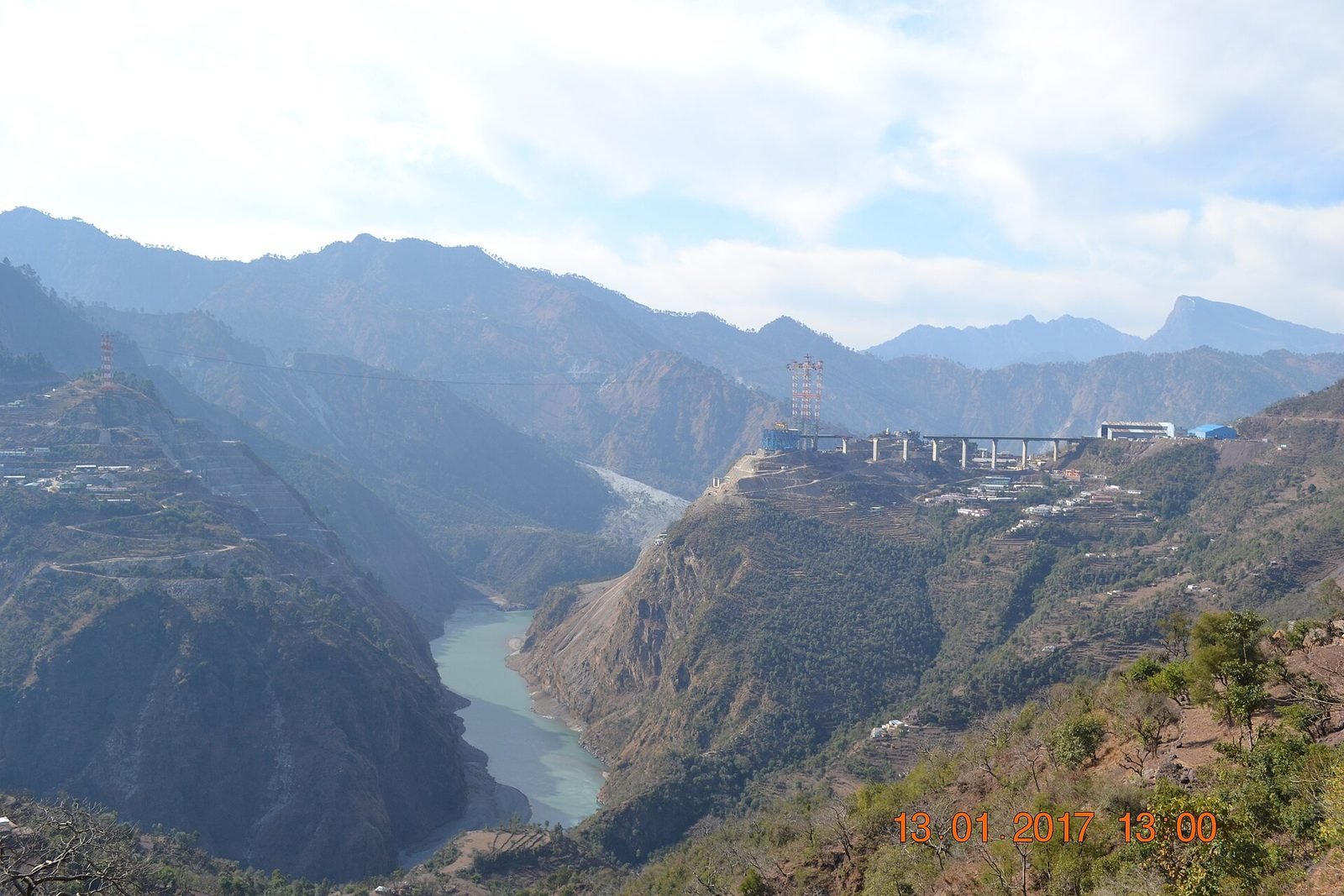
The rail link. The Udhampur–Srinagar–Baramulla line is the most expensive railway India has built: 272 km, 36 tunnels, the Chenab bridge that is the highest railway arch in the world, and the Anji cable-stayed bridge. With the Katra–Banihal stretch open, the Vande Bharat connects Katra to Srinagar in about three hours and Jammu to Srinagar in under four, in all weather. For Srinagar this is the first reliable land link in its history; for Katra it makes the town the rail gateway to the valley as well as the Vaishno Devi base; for Anantnag, Awantipora and Baramulla it puts a station in towns that never had a daily train. Land near the Katra, Banihal, Anantnag and Budgam stations has moved first.
Roads. NH-44 from Kathua through Jammu, Udhampur and the Chenab gorge to Banihal, the Navyug tunnel and Srinagar is being four-laned end to end with the Ramban–Banihal stretch the last hard section; the Delhi–Amritsar–Katra expressway lands at Katra with a Jammu spur; the Jammu ring road is open; the Srinagar ring road is under construction; the Sonamarg (Z-Morh) tunnel opened and the 14-km Zojila tunnel will make Ladakh an all-year drive; and the Mughal Road over the Pir Panjal gives a second valley route in summer. The Jammu–Akhnoor–Poonch highway widening opens the western belt.
Air. Srinagar's international airport runs a dense domestic schedule and the new terminal is under construction; Jammu's airport is being expanded with a new terminal on the Satwari side, which is itself a land story for the Sidhra and Belicharana belts. Both airports are on Air Force stations and subject to military control.
Power and water. J&K has hydropower it does not fully use, with the Chenab projects (Pakal Dul, Kiru, Kwar, Ratle) under construction and the valley still facing winter cuts. Water in Jammu city is from the Tawi and tubewells, with pressure problems on the ridges; Srinagar draws on the Jhelum and the Dachigam catchment.
03Micro-Markets and What Sells: Jammu Colony by Colony, Srinagar Mohalla by Mohalla, then the Towns
Jammu (Tier 2)
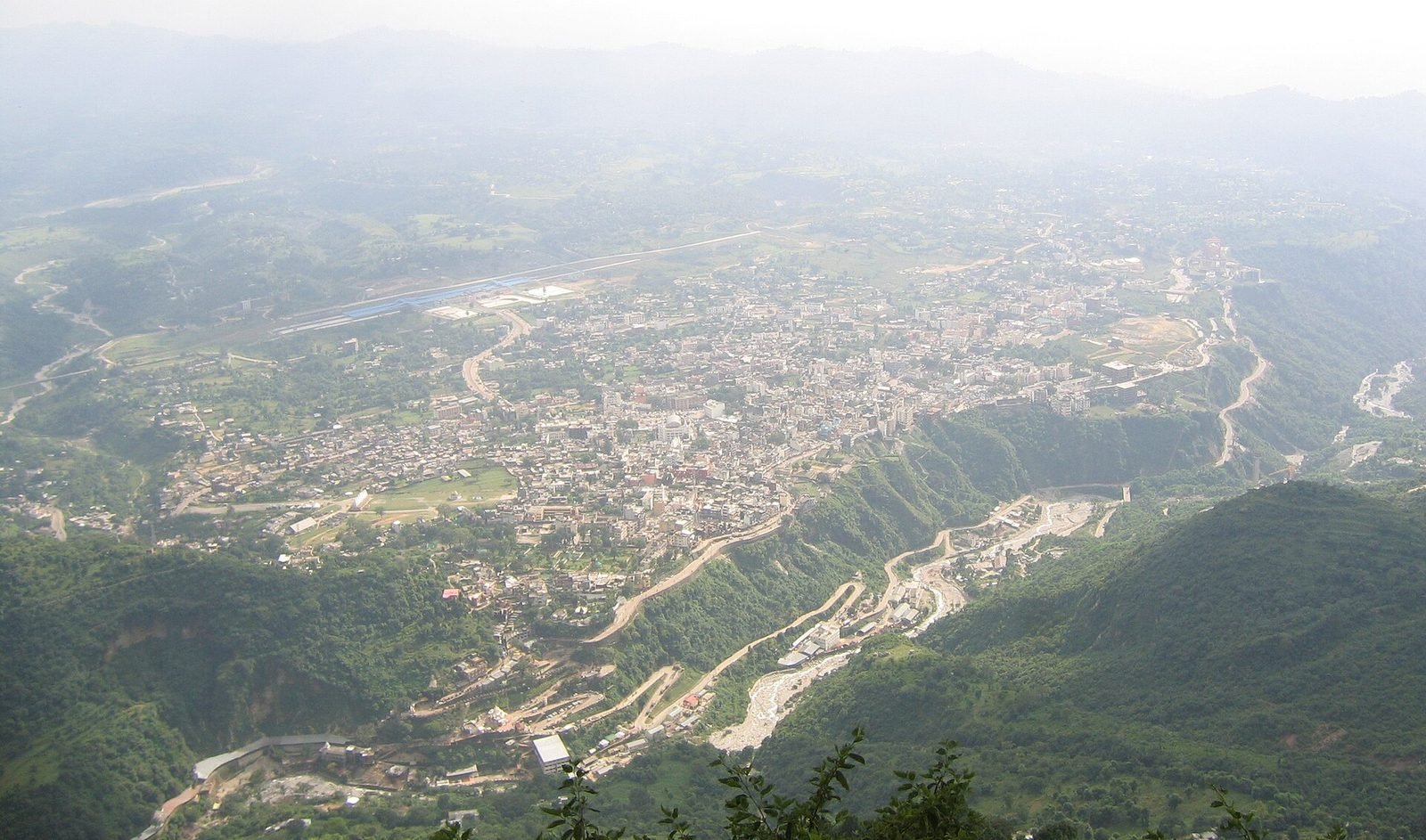
Jammu grew south from the old city on the Tawi towards the plains, and the colonies get newer as you go. Gandhi Nagar is the establishment address: wide roads, the best schools and hospitals, bungalow plots of one to two kanal that trade at ₹2 to 4 crore a kanal, and the few builder floors and flats at ₹5,500 to 7,500 per sq ft. Trikuta Nagar, Shastri Nagar and Nanak Nagar are its younger siblings at ₹1.5 to 3 crore a kanal. Channi Himmat, Sainik Colony and Greater Kailash on the Jammu–Pathankot side are the middle-class belt where most of the new flats and builder floors are, ₹3,500 to 5,000 per sq ft and ₹60 lakh to 1.5 crore a kanal. Sidhra and the bypass have the JDA's newer housing colonies and the Smart City's planned extensions; Bathindi, Sunjwan and Narwal are the affordable fringe at ₹2,500 to 3,500. The old city, Raghunath Bazar, Kanak Mandi, Pacca Danga, is trade and heritage, dense and unbuildable.
What sells: plots of five to ten marla for a kothi, because Jammu buyers build; 3 BHK flats of 1,500 to 1,800 sq ft at ₹60 lakh to 1.2 crore in the handful of RERA-registered projects on the bypass and in Channi; builder floors in Gandhi Nagar and Trikuta Nagar; and commercial space on the Gandhi Nagar and Channi main roads. The outside buyer from Punjab and Delhi has concentrated on plots along the bypass, in Sidhra and on the Jammu–Katra road.
Srinagar (Tier 2)
Srinagar's good addresses are south of the Jhelum. Rajbagh, Jawahar Nagar, Wazir Bagh and Sanat Nagar are the professional and political colonies, half-kanal and one-kanal houses, land ₹1.5 to 3 crore a kanal, and almost nothing for sale to outsiders because the land is family-held and often classed as agricultural in the records. Hyderpora, Humhama and the airport road are the newer belt where the big houses and the first apartment projects are, ₹60 lakh to 1.5 crore a kanal. Bemina and Nowgam on the bypass are the middle-class and SDA-colony belt. The old city across the river, Downtown, is dense, heritage and off-limits to outside money in practice. Flats are a new product, under 10 percent of the stock, ₹5,000 to 8,000 per sq ft in the few registered projects, bought by valley professionals and by Kashmiris returning from the Gulf and the metros.
Anantnag and Baramulla (Tier 3)
Anantnag is the south valley's headquarters, the Pahalgam and Kokernag gateway and now a rail stop with the medical college and the NIT-type institutions planned; houses and plots, saffron and apple land around it, prices a third of Srinagar's. Baramulla on the Jhelum is the north valley's town, the road to Gulmarg, Uri and the LoC, with the rail terminus and a government-salaried market; houses on plots, little in flats.
Udhampur and Kathua (Tier 4)
Udhampur is the Northern Command headquarters and the rail junction where the valley line begins; army and railway families rent, retired officers buy, and the highway plots at ₹15 to 40 lakh a kanal are the product. Kathua is 25 km from Pathankot and the first town a Punjab buyer meets: the Kathua and Govindsar industrial estates, the expressway, the Ravi canal belt, plots at ₹10 to 30 lakh a kanal and a growing stock of builder floors for industrial-estate managers.
Sopore and Samba (Tier 5)
Sopore is apples: the mandi is the second largest fruit market in Asia and the town's money is orchard money; land is agricultural and closed to outsiders, houses trade between families. Samba is the opposite story, the fastest-moving land in the Jammu region: AIIMS Vijaypur, the Samba and Bari Brahmana industrial belt where the new industrial policy's incentives landed, the expressway interchange and the Jammu commute. Plots ₹8 to 25 lakh a kanal, with the Vijaypur stretch near the hospital the hot spot.
04Economy and Employment: Government, Pilgrims, Apples, the Army and a New Industrial Policy
J&K's economy is about ₹2.6 lakh crore and four things carry it. Government is the largest employer by far, with the UT administration, the central forces and the public sector paying the salaries that buy most of the houses in Jammu and Srinagar. Horticulture is the valley's private economy: apples worth ₹10,000 crore a year, with Sopore, Shopian, Baramulla and Anantnag the orchard districts, plus saffron at Pampore, walnuts and the new high-density orchards; this money builds the big houses of the valley. Pilgrimage and tourism is Vaishno Devi's nine million pilgrims a year at Katra, the Amarnath yatra, and the valley's three million-plus tourists in a good year across Srinagar, Gulmarg, Pahalgam and Sonamarg. The army is a city in itself at Udhampur, Jammu, Nagrota and across the valley, and its families and retirees are a steady housing demand.
Industry is small and concentrated in the Jammu region: the Bari Brahmana and Samba estates with pharma, steel re-rolling, cement and food processing, the Kathua estates, and the Lassipora estate near Pulwama in the valley. The New Central Sector Scheme with its ₹28,000 crore incentive pool and the UT's industrial land allotments pulled a wave of new units into Samba, Kathua and Jammu after 2021, which is the reason Samba's land market moved. IT is a handful of government-backed parks and remote workers; the valley's broadband and its periodic shutdowns keep it marginal.
The emerging layer is health and education: AIIMS Vijaypur operating near Samba and AIIMS Awantipora coming up in the valley, IIT Jammu at Jagti and IIM Jammu, the new medical colleges in Anantnag, Baramulla, Doda, Kathua, Rajouri and Udhampur, and the Shri Mata Vaishno Devi University at Katra. Each one creates a pocket of rental demand and a plotted-colony market around it, and in a territory with little private industry, these campuses are the growth engines a property buyer can actually see.
05What Changes in the Next 3 to 7 Years
The valley becomes a train ride. Through-running trains from Delhi to Srinagar, the station towns of Anantnag, Awantipora, Budgam and Baramulla getting daily services, and freight (apples out, cement in) moving by rail. The valley's isolation premium on prices and its logistics discount on business both shrink. Land near the stations and along the Srinagar ring road is the first beneficiary.
Katra becomes a city. The expressway terminus, the rail gateway and the Vaishno Devi traffic are turning a hotel town of 100,000 rooms-a-night demand into a proper urban centre with a university, hospitals and a planned township. Hotel land and commercial plots on the Katra–Jammu road and the bypass are the Jammu region's best commercial bet.
Samba and Kathua industrialise. The NCSS units go live, AIIMS matures, the expressway interchanges open, and the Jammu–Pathankot stretch becomes a continuous corridor. Plotted housing for industrial managers and hospital staff is the product.
Statehood and the land question. The restoration of statehood is promised; what a state government does with the 2020 land orders, agricultural-land conversion and outsider purchases is the single biggest regulatory variable. Buy on today's law, with non-agricultural land and a registered deed, and do not count on conversion permissions that a future government may tighten.
Security remains the discount rate. The Pahalgam attack cut valley tourism overnight and emptied hotels for a season. The Jammu region has had its own incidents in the Pir Panjal belt. Price it in: Jammu, Katra, Samba and Kathua trade at Punjab-plus-security risk; the valley trades at a discount that narrows in quiet years and widens in bad ones.
Smart City and the ring roads. Jammu's Smart City projects (Tawi riverfront, the old-city redevelopment, smart roads) and Srinagar's (the Jhelum riverfront, Lal Chowk, the Polo View pedestrianisation) are visible now; the Srinagar ring road and the Jammu airport terminal are the next completions.
06Civic Life: Two Cities, Two Climates, One Administration
Jammu is a Punjabi-Dogra city in its food, temples and temperament, hot, busy and expanding, with schools (Delhi Public School, Jodhamal, Presentation Convent, Heritage), hospitals (the Government Medical College and Super Speciality, Acharya Shri Chander, Shri Mata Vaishno Devi Narayana) and the army's own facilities that make it the medical and educational hub for the whole Jammu region and for Ladakh in winter. Traffic on the Jammu–Pathankot road and through the old city is bad and getting worse; the ring road and the flyovers are catching up. Water pressure, power in summer and the Tawi's state are the civic complaints. Safety is good; the city has a large police and army presence and the Dogra, Punjabi and Kashmiri Pandit communities make it one of the most mixed in the north.
Srinagar is one of the most beautiful cities in Asia and one of the most frustrating to administer. The lake, the Mughal gardens, the chinar boulevards and the mountain views are matched by winter power cuts, snow that closes roads, drainage that failed catastrophically in the 2014 flood, a sewerage system that still pollutes the Dal, and internet shutdowns that come and go with the politics. Schools (Burn Hall, Presentation Convent, Tyndale Biscoe, DPS) and hospitals (SKIMS, SMHS, the new super-speciality) are strong by regional standards. Day-to-day safety for residents is normal; the risk is episodic and political, and a buyer should understand that a hartal or a curfew can close the city for days.
The towns follow their region. Udhampur and Katra are safe, army-ordered and busy; Kathua and Samba are Punjab-adjacent industrial towns; Anantnag, Baramulla and Sopore are valley towns with the valley's rhythm. English is widely spoken in the cities, Dogri and Punjabi in Jammu, Kashmiri in the valley; a buyer from outside will need a local to handle the revenue office in every case.
07Climate and How to Build for It
Jammu is a north Indian plains climate pushed against the hills: summers to 45 degrees in June, a monsoon from July to September that brings 1,100 mm and flash floods in the Tawi and the nallahs, and mild winters at 5 to 20 degrees. Build as in Punjab: insulated roofs, deep verandahs, cross-ventilation, a plinth above the drain level in Channi and the low colonies, and a solar water heater, which pays back in a year.
The Kashmir valley is temperate with a real winter: snow in Srinagar most years, nights to minus 8 in January's Chillai Kalan, summers at 25 to 32 degrees, and spring and autumn that are the reason the tourists come. Kashmiri houses are built for it, with timber framing, sloped tin or shingle roofs, double-glazed windows in the newer ones, hamams or central heating, and the dhajji-dewari timber-brick infill that survived the 2005 earthquake better than concrete. Insist on insulation, a heating plan and a snow-load roof design. The 2014 flood put four metres of water into Rajbagh and Jawahar Nagar, so check the flood line and prefer the upper floors and the higher ground of Hyderpora and the airport side.
The whole territory is in seismic zones IV and V, with the Chenab belt and the valley at the top. Ductile RCC frames, a soil test and a structural certificate are the minimum; the local timber tradition is not nostalgia, it is engineering.
08Landmarks, Tourism and the Hospitality Angle
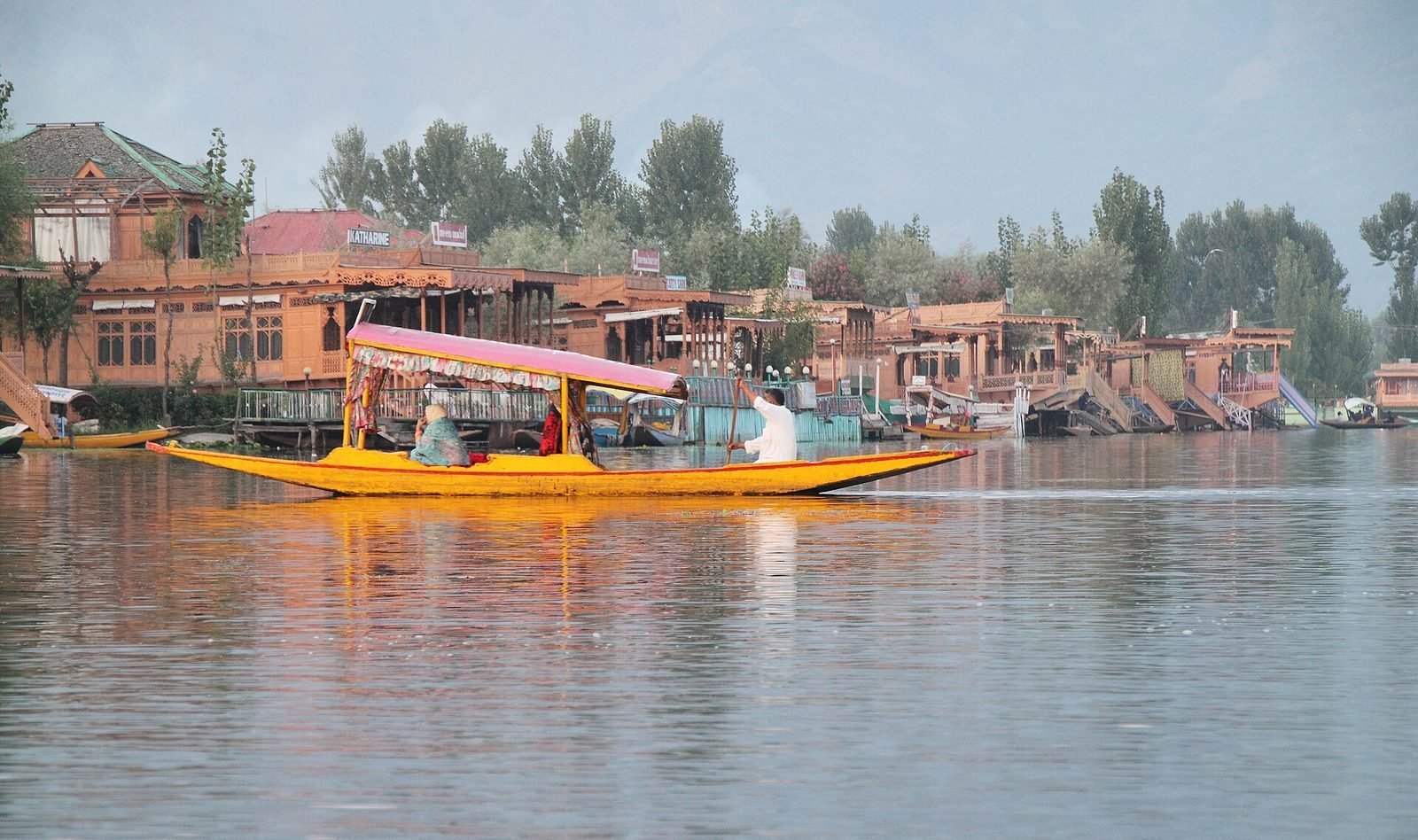
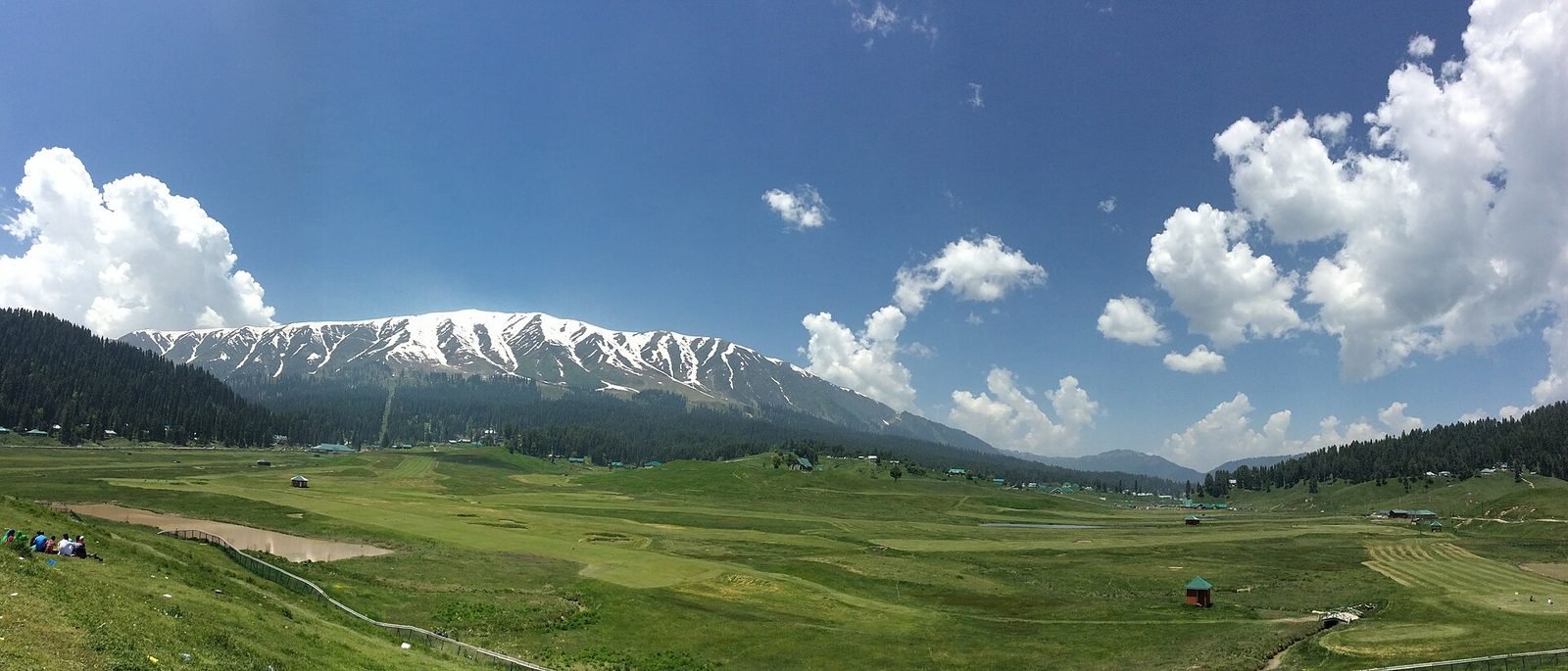
Vaishno Devi above Katra is the second-most-visited shrine in India, with nine to ten million pilgrims a year who all sleep, eat and shop in Katra; the ropeway to Bhairon and the proposed helipad and skywalk upgrades keep the traffic growing. Dal Lake and the Mughal gardens of Srinagar, Nishat, Shalimar and Chashme Shahi, the houseboats, the Shankaracharya hill and the Hazratbal shrine are the valley's classic circuit. Gulmarg has the gondola to Apharwat and the ski season; Pahalgam is the Lidder valley and the Amarnath base; Sonamarg now sits at the mouth of the new tunnel on the Ladakh road. In Jammu, the Raghunath temple, the Bahu fort, the Amar Mahal palace and the Mansar and Surinsar lakes; the Patnitop hill station above Udhampur; the Kishtwar and Bhaderwah valleys that the new Chenab road opens up. The Chenab bridge has become a tourist draw in its own right.
The hospitality angle is the strongest in north India and the most uneven. Katra is a pure hotel market: 100 percent occupancy on festival weekends, year-round demand, hotels from dormitories to five-star, and guest-house buildings on the bypass that earn 10 to 15 percent on cost when run well. It is the one place in J&K where an outside investor can buy a commercial plot, build a hotel and have the customers guaranteed. Srinagar and the valley resorts are a boom-and-bust market, superb in a quiet year and empty after an incident; houseboats are licensed and cannot be built new, and Gulmarg and Pahalgam construction is tightly restricted. Jammu hotels serve pilgrims in transit and business; service apartments near the hospitals and the bypass are the quiet earner. Treat Katra as an investment, the valley as a passion with an exit plan.
Photos: Aishparth, CC BY-SA 4.0, via Wikimedia Commons · Vinayaraj, CC BY-SA 3.0, via Wikimedia Commons · Ojhayogesh, CC BY-SA 4.0, via Wikimedia Commons
09Legal Checks, Stamp Duty and Property Tax: Jammu & Kashmir Specifics
Who may buy what. Under the 2020 orders, any Indian citizen may buy non-agricultural land, a built house or a flat anywhere in J&K; no domicile certificate is needed. Agricultural land may be sold only to an agriculturist of J&K, and may be converted to non-agricultural use only with the District Collector's permission, with the buyer obliged to use it for that purpose within five years. Most land in the valley and much in the Jammu plains is recorded as agricultural, so the first question for any plot is its land class in the jamabandi. NRIs and OCI holders may buy residential and commercial property under FEMA but not agricultural land.
Records. J&K keeps its land records in the Jamabandi (record of rights, revised every few years), the Girdawari (crop and possession record) and the Shajra (map), held by the Patwari and Tehsildar and progressively available on the UT's land-records portal. Obtain the latest jamabandi and girdawari in the seller's name, the fard (extract), a 30-year chain, the mutation (intiqal) record, and the Tehsildar's confirmation that the land is not state land, kahcharai (grazing) land, shamilat, or under the Custodian of Evacuee Property, which holds land left by those who migrated in 1947 and cannot be sold by anyone. Land regularised under the Roshni Act was declared void by the High Court and is being reclaimed; avoid it entirely.
Approvals. Jammu Development Authority and Srinagar Development Authority control land use and plan sanction in their areas, the municipal corporations issue building permissions and completions, and the Master Plans for Jammu and Srinagar zone the land. For flats, demand the JDA or SDA approved plan, the J&K RERA registration, the fire NOC and the occupancy certificate; for plots in a colony, the JDA or SDA layout approval or the registered society's approved scheme. Lake, wetland and forest land in the valley is protected by the Lakes Conservation and Management Authority and the forest department; nothing near the Dal, Nigeen, Wular or Hokersar is safe to buy without their clearance.
Stamp duty and registration. Stamp duty on a sale deed runs about 7 percent for a male buyer, 5 percent for joint ownership and 3 percent for a woman, with a registration fee of around 1.2 percent, on the higher of the sale price and the circle rate; the women's concession has been introduced, withdrawn and reintroduced over the years, so confirm the current notification at the sub-registrar. Registration is through the UT's e-registration system under the Registration Department, which replaced the old court-registration regime after 2019.
Property tax. Property tax was introduced in J&K's municipal areas in 2023 for the first time, assessed on the built-up area and the circle rate at modest rates, with small houses exempt; budget for it in Jammu and Srinagar. Maintenance in the few registered societies is ₹2 to 3 per sq ft.
Tax. Income tax on rentals and capital gains follows the national rules: 12.5 percent long-term gains after 24 months, Section 54 and 54F rollovers, 1 percent TDS above ₹50 lakh. J&K's old exemptions ended with the reorganisation; there is no special tax regime for property.
Rates on this page are indicative asking prices gathered from transactions and listings Mr. Homez handled or reviewed. They change with every quarter and every collector-rate revision. Stamp duty, cess and tax rules are summarised from government notifications current at the time of writing; confirm the live figures with the sub-registrar before you commit money. This is market commentary, not legal or investment advice.