
01Ground Reality: India's Richest Market and Its Most Unequal
Maharashtra is India's largest property market by value, and most of that value sits in one metropolitan region. The Mumbai Metropolitan Region, from Colaba to Virar and from Thane to Panvel, carries more real estate registrations by rupee than the next three states combined. Pune is the second engine: an IT, auto and education city that has grown into a metro in its own right. The rest, Nagpur, Nashik, Chhatrapati Sambhajinagar, Solapur, Kolhapur and sixteen more towns, is a plotted, sugar-and-industry economy that moves with the state's roads.
The money comes from every direction. Mumbai is the financial capital, the headquarters of banking, film, shipping, pharma and conglomerate India, and its buyers are promoters, bankers, film families, NRIs from the Gulf and the diaspora, and a professional class paying the highest per-square-foot prices in the country. Pune is IT, with Hinjewadi, Kharadi and Magarpatta campuses, plus the Chakan–Talegaon auto cluster and the city's universities. Nagpur is MIHAN, the orange trade, the winter capital and now the eastern end of the Samruddhi Mahamarg. Nashik is wine, onions, Ozar's aerospace plant and Mumbai's hill escape. Chhatrapati Sambhajinagar is Bajaj, Skoda and the AURIC industrial city. The western sugar belt, Kolhapur, Sangli, Satara, Solapur and Ahmednagar, is cooperative-sugar money buying town plots.
What changed in the last five years: Mumbai's redevelopment economy became the city's main source of supply, with cluster and society redevelopment under the 2034 development control rules turning every ageing building in Bandra, Chembur and Ghatkopar into a project; the Atal Setu opened and cut Navi Mumbai to twenty minutes from South Mumbai; the Navi Mumbai airport went from a construction site to an opening terminal; the Metro's Line 3 and the suburban lines began running; the Samruddhi Mahamarg opened and cut Nagpur to Mumbai from sixteen hours to eight; and Pune's ring road, metro and the Hinjewadi line went from plans to construction. Prices in Mumbai's good micro-markets rose 30 to 50 percent and the luxury end, from Worli to Bandra, set national records every quarter.
The honest caution: Maharashtra invented RERA because its buyers had been burnt the hardest. Stalled towers in Mumbai's eastern suburbs, Thane and Pune's fringes, redevelopment projects where the old residents were left in transit rent for a decade, and plots on the Pune and Nashik outskirts sold without an NA order are the state's three recurring disasters. MahaRERA's website is the single most useful document in any Maharashtra deal.
02Location and Macro Infrastructure: Sea Links, Metro Lines and the Samruddhi
Maharashtra's property map is drawn by the Mumbai–Pune corridor, the new airport and sea link in the MMR, and the Samruddhi Mahamarg that finally connected the state's west and east.
Mumbai Metropolitan Region
- Atal Setu, the Mumbai Trans Harbour Link. 22 km from Sewri to Chirle, open; it put Ulwe, Panvel, Pen and the new airport within half an hour of Nariman Point and re-priced the whole of Navi Mumbai's southern edge.
- Navi Mumbai International Airport. The region's second airport at Ulwe, opening in phases. The Ulwe, Panvel, Kharghar and Taloja belts are priced on it, and CIDCO's plots and the Aerocity around it are the land play.
- Mumbai Metro. Lines 1, 2A and 7 running in the western suburbs, Line 3 the underground Aqua line from Aarey to Cuffe Parade opening in stages, and Lines 2B, 4, 5, 6 and 9 under construction through Chembur, Thane, Kalyan and Dahisar. Every station lifts the redevelopment math around it.
- Coastal Road and the Bandra–Worli, Worli–Versova sea links, which cut South Mumbai to Bandra to minutes and are the reason Worli's new towers price above Bandra's.
- The suburban railway remains the city's spine; proximity to a station on the Western, Central or Harbour line is still the first price factor in the suburbs.
- Mumbai–Pune Expressway with the Missing Link tunnels, and the Mumbai–Ahmedabad bullet train whose Maharashtra stretch from BKC through Thane, Virar and Boisar is under construction.
Pune
Pune Metro's two lines run through the city with the Hinjewadi line under construction; the PMRDA ring road is being built in stages and is the plot play of the decade; the Pune airport's new terminal is open and the Purandar airport remains a proposal. The Mumbai–Pune Expressway, the Mumbai–Bengaluru highway through Satara and Kolhapur and the Pune–Solapur and Pune–Nashik highways are the arteries.
The Samruddhi Mahamarg and the rest of the state
The 701 km Hindu Hrudaysamrat Balasaheb Thackeray Samruddhi Mahamarg from Nagpur to Mumbai through Wardha, Amravati, Washim, Buldhana, Jalna, Chhatrapati Sambhajinagar, Ahmednagar, Nashik and Thane districts is open for most of its length. It cut the Nagpur–Mumbai drive in half and put a dozen interchange towns, Sinnar, Vaijapur, Jalna, Mehkar, Karanja, Wardha, on investors' maps. Nagpur's MIHAN cargo hub and airport, Nashik's Ozar, Sambhajinagar's Chikalthana, Kolhapur, Solapur and Jalgaon airports serve the regional cities; the Nagpur Metro runs across that city.
03Micro-Markets and What Sells: City by City
Twenty-two cities, five tiers, and a Mumbai that is a dozen markets by itself. Rates are indicative asking prices from recent deals and listings; Mumbai and Pune quote flats by the sq ft of carpet area under MahaRERA, the rest of the state quotes plots by the sq ft or guntha.
| City | Tier | What actually sells | Indicative rates (current) |
|---|---|---|---|
| Mumbai Metropolitan Region | 1 | Apartments at every price, redevelopment flats, penthouses, studios, Grade A offices, co-working, high-street shops, CIDCO plots in Navi Mumbai, bungalows and villas on the fringes | South Mumbai ₹40,000–1 lakh+/sq ft; western suburbs ₹22,000–80,000; Thane ₹12,000–22,000; Navi Mumbai ₹7,000–20,000 |
| Pune | 1 | Apartments, townships, villas, builder plots, IT offices, co-working, PCMC industrial sheds | Flats ₹6,500–22,000/sq ft by corridor; plots ₹15,000–60,000/sq yd in the PMRDA belt |
| Nagpur | 2 | Flats, NMRDA plots, bungalows, MIHAN offices, warehouses | Flats ₹5,000–9,000/sq ft; plots ₹20,000–60,000/sq yd |
| Nashik | 2 | Flats, bungalows, plots, vineyard and farmhouse land, industrial sheds in Ambad and Satpur | Flats ₹4,500–8,000/sq ft; plots ₹15,000–50,000/sq yd |
| Chhatrapati Sambhajinagar | 2 | Flats, plots, bungalows, AURIC industrial plots, hotel land | Flats ₹4,000–6,500/sq ft; plots ₹10,000–40,000/sq yd |
| Solapur | 2 | Flats, plots, textile sheds, warehouses | Flats ₹3,000–5,000/sq ft; plots ₹10,000–35,000/sq yd |
| Kolhapur | 3 | Flats, bungalows, plots, foundry sheds, showrooms | Flats ₹4,000–6,500/sq ft; plots ₹15,000–50,000/sq yd |
| Amravati | 3 | Plots, houses, cotton warehouses, textile-park land | Plots ₹8,000–30,000/sq yd |
| Nanded | 3 | Plots, houses, pilgrim hospitality, shops | Plots ₹8,000–30,000/sq yd |
| Sangli | 3 | Plots, houses, cold storage, agricultural land | Plots ₹10,000–35,000/sq yd |
| Jalgaon | 3 | Plots, houses, warehouses, agricultural land | Plots ₹8,000–30,000/sq yd |
| Akola | 3 | Plots, houses, cotton warehouses | Plots ₹8,000–25,000/sq yd |
| Latur | 4 | Plots, houses, hostels for the coaching economy | Plots ₹6,000–20,000/sq yd |
| Dhule | 4 | Plots, houses, highway commercial | Plots ₹6,000–20,000/sq yd |
| Ahmednagar | 4 | Plots, houses, sugar-belt land, Shirdi hospitality | Plots ₹8,000–25,000/sq yd |
| Chandrapur | 4 | Plots, houses, Tadoba resort land | Plots ₹6,000–20,000/sq yd |
| Parbhani | 4 | Plots, houses, agricultural land | Plots ₹5,000–18,000/sq yd |
| Ichalkaranji | 5 | Plots, houses, powerloom sheds | Plots ₹6,000–20,000/sq yd |
| Jalna | 5 | Plots, houses, steel and seed sheds, expressway land | Plots ₹5,000–18,000/sq yd |
| Yavatmal | 5 | Plots, houses, cotton warehouses | Plots ₹5,000–15,000/sq yd |
| Gondia | 5 | Plots, houses, rice mills | Plots ₹5,000–15,000/sq yd |
| Satara | 5 | Plots, houses, Mahabaleshwar and Panchgani second homes, farm land | Plots ₹8,000–30,000/sq yd; hill cottages far above |
Mumbai: a dozen markets by distance from the sea
South Mumbai, Malabar Hill, Cuffe Parade, Nepean Sea Road and now Worli's new towers, is India's most expensive residential land at ₹40,000 to over ₹1 lakh per sq ft, bought by promoters and old families and priced by sea view and building age. Bandra, Juhu and Khar are the film and business elite at ₹45,000 to 80,000. Andheri, Powai, Goregaon and the Lokhandwala–Oshiwara belt are the professional western suburbs at ₹22,000 to 40,000, priced on the Metro and the airport. Chembur, Ghatkopar, Mulund and the eastern suburbs are redevelopment country at ₹18,000 to 30,000, where the Eastern Express Highway and Line 4 set the math. Thane is the MMR's largest self-contained market at ₹12,000 to 22,000, with Ghodbunder Road's townships and Line 4 and 5 ahead. Navi Mumbai is CIDCO's planned nodes, Vashi, Nerul, Kharghar, Seawoods, at ₹9,000 to 20,000, and the airport belt of Ulwe, Panvel and Taloja at ₹7,000 to 12,000, where the Atal Setu and the terminal are the whole thesis. Kalyan, Dombivli, Vasai and Virar are the affordable outer ring at ₹6,000 to 10,000, sold on train frequency. Offices: BKC, Lower Parel, Worli, Andheri East, Powai, Thane and Navi Mumbai's Airoli–Ghansoli belt.
Pune
Koregaon Park, Boat Club Road, Kalyani Nagar and Prabhat Road are old money and the premium at ₹15,000 to 22,000. Kharadi, Viman Nagar and Hadapsar–Magarpatta are the east's IT and airport belt at ₹9,000 to 14,000. Baner, Balewadi, Aundh and Pashan are the north-west professional belt at ₹9,000 to 14,000, with Hinjewadi's three IT phases and Wakad at ₹7,000 to 11,000 beyond. Pimpri-Chinchwad is the auto-industrial municipality with its own market at ₹6,500 to 10,000, and Chakan, Talegaon and Moshi are the industrial fringe and the plotted play. Undri, NIBM, Kondhwa and Sinhagad Road are the south's mid-market. The PMRDA ring road's alignment is the plot thesis for the next decade; the city's unauthorised plotted layouts without NA orders are the trap.
Nagpur, Nashik and Chhatrapati Sambhajinagar
Nagpur is Wardha Road, Manish Nagar, Besa and the Hingna side for flats, MIHAN and the SEZ for offices and the NMRDA's new plotted layouts for land; the Metro, the Samruddhi terminus and the state's second capital functions are the catalysts. Nashik is Gangapur Road, College Road, Indira Nagar and Pathardi for flats, the Ambad and Satpur MIDC estates for industry, the vineyard belt and the Trimbak side for farmhouses, and the Sinnar interchange for the Samruddhi play. Chhatrapati Sambhajinagar is Cidco, the Beed bypass and Jalna Road for housing, Waluj and Shendra MIDC plus the AURIC industrial city for industry, and Ajanta and Ellora for hospitality.
The sugar belt and the rest
Kolhapur, Sangli, Satara, Solapur and Ahmednagar are cooperative-sugar and foundry towns where plots and bungalows are the market and apartments are new; Satara doubles as the Mahabaleshwar–Panchgani second-home gateway. Amravati, Akola, Yavatmal and Jalgaon are cotton, pulses and banana trading towns; Nanded is a Sikh pilgrim city; Latur is the coaching economy of the Marathwada; Chandrapur and Gondia are coal, power and rice at the eastern edge. Buyers are local traders, farmers with sugar or cotton money and government employees; yields are thin and holding periods long.
Who buys, and in what bracket
- Under ₹60 lakh: Kalyan, Dombivli, Virar, Panvel and Taloja flats, PCMC and Moshi 2 BHKs, Tier-3 to Tier-5 plots; the MMR's working class and first-time buyers across the state.
- ₹60 lakh to ₹1.5 crore: Thane, Navi Mumbai and the eastern suburbs' 2 BHKs, Pune's Wakad, Hinjewadi, Hadapsar and Undri 2 and 3 BHKs, Nagpur and Nashik 3 BHKs; the IT and services middle class.
- ₹1.5 crore to ₹5 crore: Andheri, Powai, Chembur and Ghodbunder 2 and 3 BHKs, Kharadi, Baner and Koregaon Park apartments, Nashik and Kolhapur bungalows; senior professionals, business families, NRIs.
- Above ₹5 crore: Bandra, Juhu, Worli, Lower Parel and South Mumbai; Pune's Boat Club Road; the state's promoters, film families, bankers and the diaspora.
04Industry and Employment: What Pays the EMIs
Mumbai: finance, film, pharma and the port
The RBI, SEBI, the stock exchanges, every major bank's headquarters, the insurance and asset-management industry, Bollywood, the pharma majors, Reliance, the Tatas, Mahindra, Godrej and the Aditya Birla group, the JNPT port and the shipping lines. BKC, Nariman Point, Lower Parel, Worli, Andheri East and Powai hold the offices; the salaried base from Colaba to Virar rents and buys accordingly.
Pune: IT, auto and education
Infosys, TCS, Wipro, Cognizant, Tech Mahindra and hundreds of product firms in Hinjewadi, Kharadi, Magarpatta and Talawade; Tata Motors, Bajaj Auto, Mercedes, Volkswagen, Mahindra and the Chakan–Talegaon–Ranjangaon auto and engineering cluster; Pune University, COEP, Symbiosis, FTII and the city's hundred colleges. Pune's rental market is the state's most reliable.
Nagpur, Nashik and Chhatrapati Sambhajinagar
MIHAN's SEZ with TCS, Infosys, Tech Mahindra and the air-cargo hub; the orange and cotton trade; Ozar's HAL plant, Nashik's Mahindra and Bosch units, the wine industry and the Kumbh; Bajaj Auto, Skoda-Volkswagen, Siemens and the AURIC industrial city at Shendra–Bidkin on the Delhi–Mumbai Industrial Corridor.
The sugar belt, textiles and the mines
Cooperative sugar in Kolhapur, Sangli, Satara, Solapur and Ahmednagar; foundries in Kolhapur; powerlooms in Ichalkaranji and Solapur's textile mills; cotton in Vidarbha with the PM MITRA park at Amravati; coal and thermal power at Chandrapur and Nagpur; the steel re-rollers of Jalna; Jain Irrigation in Jalgaon. MIDC is the industrial land authority with estates in every district; its plots are leasehold with transfer charges, and most industrial buyers go through MIDC or through NA-converted private land.
Tourism and pilgrimage
Shirdi, Pandharpur, Nanded's Hazur Sahib and Trimbakeshwar draw pilgrims by the crore; Lonavala, Khandala, Mahabaleshwar, Panchgani, Matheran, Alibaug and the Konkan coast are the MMR's and Pune's weekend economy and the state's second-home market; Ajanta, Ellora and Tadoba are the heritage and wildlife draws. The single window is the MAITRI portal under the state's industries department.
05What Changes in the Next 3 to 7 Years
- Navi Mumbai International Airport scaling up. The MMR's biggest re-pricing event since the Bandra–Worli sea link; Ulwe, Panvel, Kharghar, Taloja and the Pen–Alibaug side gain as flights grow, and CIDCO's Aerocity and the Navi Mumbai office market follow.
- Mumbai Metro Lines 2B, 4, 5, 6 and 9 and the full Line 3. Each opening lifts the redevelopment math of the sectors it touches, Chembur, Ghatkopar, Thane, Kalyan, Dahisar and Mira–Bhayandar most of all.
- Redevelopment under the 2034 DCPR, with cluster schemes, SRA and society redevelopment supplying most of Mumbai's new flats; the Dharavi project is the largest and most contested.
- The bullet train's Maharashtra stations at BKC, Thane, Virar and Boisar, which make Boisar and Palghar a commuter story for the first time.
- Pune's ring road, metro Line 3 to Hinjewadi and the PMRDA townships; the ring road's alignment through the villages around the city is the plotted play of the decade.
- Samruddhi Mahamarg completion and its interchange townships, plus Nagpur's MIHAN expansion and the Nagpur–Goa Shaktipeeth expressway proposal for the Marathwada and the south.
- Vadhvan port in Palghar, a mega-port that would turn the northern MMR into a logistics region, and the Mumbai–Delhi expressway's Maharashtra stretch.
- Ready-reckoner revisions and the metro cess, which lift the cost of entry and push more deals into the formal market.
What this means for appreciation: Mumbai's trophy belts, South Mumbai, Bandra, Worli, are priced for the next five years and will track the national luxury cycle. The value is in the Metro-touched eastern suburbs, Thane's Ghodbunder, Navi Mumbai's airport belt and the bullet-train stations. Pune's east and north-west have priced in the IT boom; the ring-road villages and Chakan–Talegaon have the headroom. Nagpur, Nashik and Sambhajinagar move with the Samruddhi and their industrial estates; the sugar belt moves with sugar.
06Civic Life: Hospitals, Universities, Malls and What Breaks
Healthcare
Mumbai's Lilavati, Breach Candy, Jaslok, Hinduja, Kokilaben, Nanavati, Tata Memorial and KEM; Pune's Ruby Hall, Jehangir, Sahyadri and Deenanath Mangeshkar; Nagpur's AIIMS and the medical colleges in every regional city. The MMR and Pune are national medical destinations.
Education
IIT Bombay, TISS, the University of Mumbai, St Xavier's and the city's school belt; Pune University, COEP, Symbiosis, FTII, IISER and the hundred colleges that make Pune the Oxford of the east; VNIT Nagpur, IIM Nagpur, the Latur coaching pattern and the state's agricultural universities.
Retail and recreation
Phoenix Palladium, Jio World Drive, Infiniti and R City in Mumbai; Phoenix Marketcity, Amanora and Seasons in Pune; the Wankhede, Brabourne and MCA stadiums; Marine Drive, Juhu, Sanjay Gandhi National Park, Lonavala, Alibaug and the Konkan beaches; Mumbai's theatre, music and food scene is the country's richest.
The civic realities
- Monsoon flooding: Mumbai floods every July; Sion, Kurla, Dadar's Hindmata, Andheri Subway and the Mithi's banks are the known pockets, and Pune's Sinhagad Road and the Mula–Mutha riverside flooded badly in recent years. Ground floors and basements in those pockets are priced accordingly.
- Commute: the suburban railway carries seven million a day at crush load; the Western and Eastern Express Highways and the Sion–Panvel highway jam from 8 am. Thirty minutes on a map is ninety at 6 pm, and "near the station" is the only distance that matters.
- Water: Mumbai's lakes supply the city reliably; Thane, Navi Mumbai's outer nodes and Pune's fringe villages run on tankers in May; Latur, Solapur and the Marathwada towns ration every summer.
- Air: Mumbai's winter air has deteriorated with construction dust and now rivals Delhi on bad days; Pune, Nagpur and Chandrapur have their own problems.
- Redevelopment risk: societies that signed with weak developers sit in transit rent for a decade; MahaRERA's project pages and the developer's delivered redevelopments are the only due diligence that works.
- Approvals: BMC, PMC, PCMC and the regional corporations sanction slowly; unauthorised plotted layouts without NA orders ring every city, and gaothan and CRZ rules catch buyers on the coast.
07Climate and How to Build for It
Maharashtra runs from the monsoon-drenched Konkan coast over the Western Ghats to the dry Deccan plateau and the hot Vidarbha plains.
The coast and the MMR are hot and humid year-round, 32 to 36°C from March to May, with 2,000 to 2,500 mm of rain from June to September in bursts that flood the city; winters are mild. Pune and the Deccan are drier and cooler, 500 to 700 mm of rain and pleasant nights, with hot Aprils. Marathwada and Vidarbha are hot and water-scarce, 42 to 47°C in May with Chandrapur and Nagpur among the hottest places in India and droughts every few years in Latur, Beed and Solapur. The Ghats and the hill stations, Mahabaleshwar, Lonavala and Matheran, take 4,000 to 6,000 mm of monsoon rain.
What it means for a buyer or builder
- In Mumbai, waterproofing, drainage and the building's monsoon record matter more than any finish; ask the society how the ground floor fared in the last big July and whether the plinth is above the road.
- Sea-facing property in the MMR and the Konkan corrodes; marine-grade fittings, treated reinforcement and regular external repair are the real maintenance cost, and CRZ rules decide what may be rebuilt.
- Pune's climate is the state's best for living; the design risks are the riverside floodplains and the hill-slope layouts that slide in heavy years.
- In Vidarbha and Marathwada, insulation, cross-ventilation and rainwater harvesting decide whether a house is liveable in May and whether it has water in June.
- Hill-station cottages need sloped roofs, retaining walls and fungus-proof interiors for a monsoon that lasts four months.
- Rooftop solar pays back across the plateau and the plains; the Mumbai monsoon limits it for three months a year.
08Landmarks, Tourism and the Hospitality Angle
Maharashtra is Mumbai's skyline, the Ghats' forts and the Konkan's beaches, and hospitality property spans the country's most expensive hotels and its cheapest homestays.
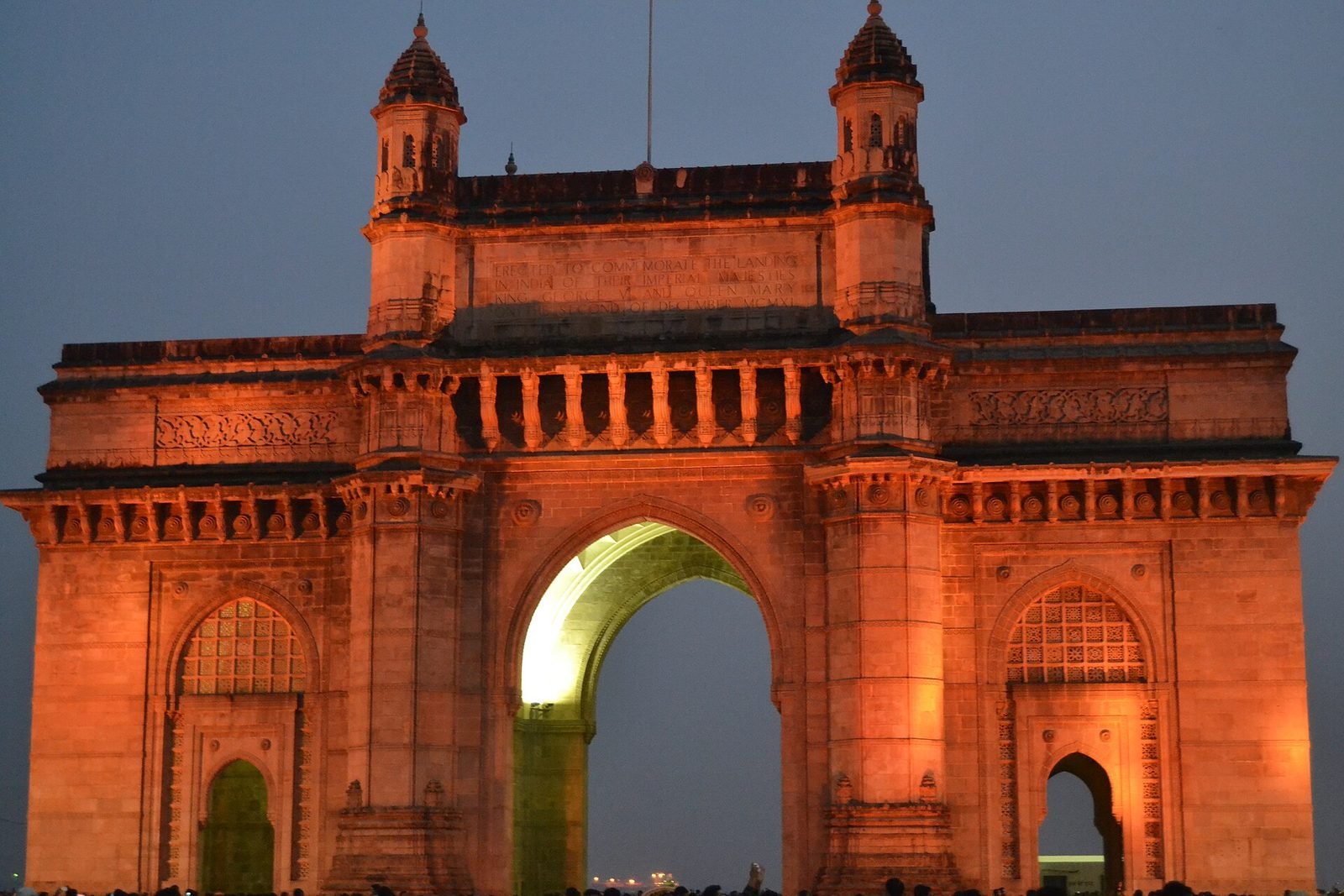
- Mumbai: the Gateway of India, Marine Drive, the Victorian and Art Deco ensemble that UNESCO listed, Elephanta, Haji Ali, Siddhivinayak and the Bandra–Worli sea link; the Taj, Oberoi and the Colaba–Nariman Point and BKC hotel belts are the country's most valuable hospitality land.
- Ajanta, Ellora and the Sambhajinagar circuit: the rock-cut caves and Kailasa temple, Daulatabad and the Bibi ka Maqbara; a heritage-tourism economy with modest hotel supply.
- Shirdi, Pandharpur, Trimbakeshwar and Nanded: pilgrim centres with dharamshala, hotel and guest-house markets that run on the religious calendar; Shirdi's is the state's largest.
- Lonavala, Khandala, Mahabaleshwar, Panchgani and Matheran: the Ghats' hill stations and the MMR's and Pune's second-home belt, where bungalows, villas and boutique hotels trade on weekend demand and the hill-station building rules.
- Alibaug and the Konkan coast: Mumbai's beach-house belt, from Alibaug's celebrity villas through Kashid and Murud to Ganpatipule and Tarkarli; the Atal Setu and the coastal highway are re-pricing it, and CRZ and gaothan rules govern what may be built.
- Nashik's vineyards, Tadoba's tigers, Pench and the Sahyadri forts: wine tourism, wildlife resorts and the trekking circuit, each with a small resort-land market.
The practical takeaway: Mumbai's hotel belts and Alibaug's villa market are the hospitality plays with real liquidity; Shirdi's pilgrim economy and the hill-station bungalow markets are steady; everything else is a bet on footfall against the state's monsoon, zoning and heritage rules.

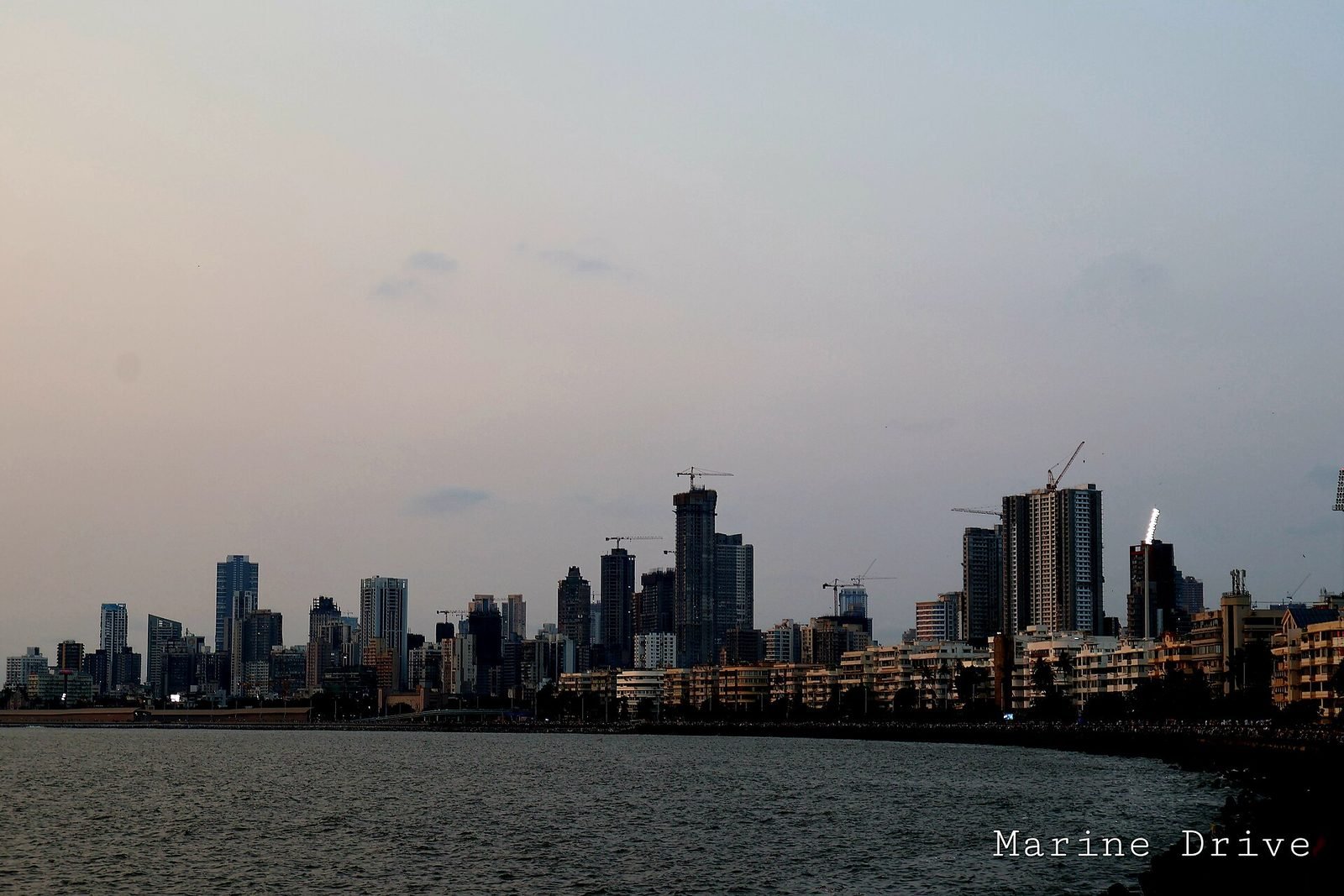
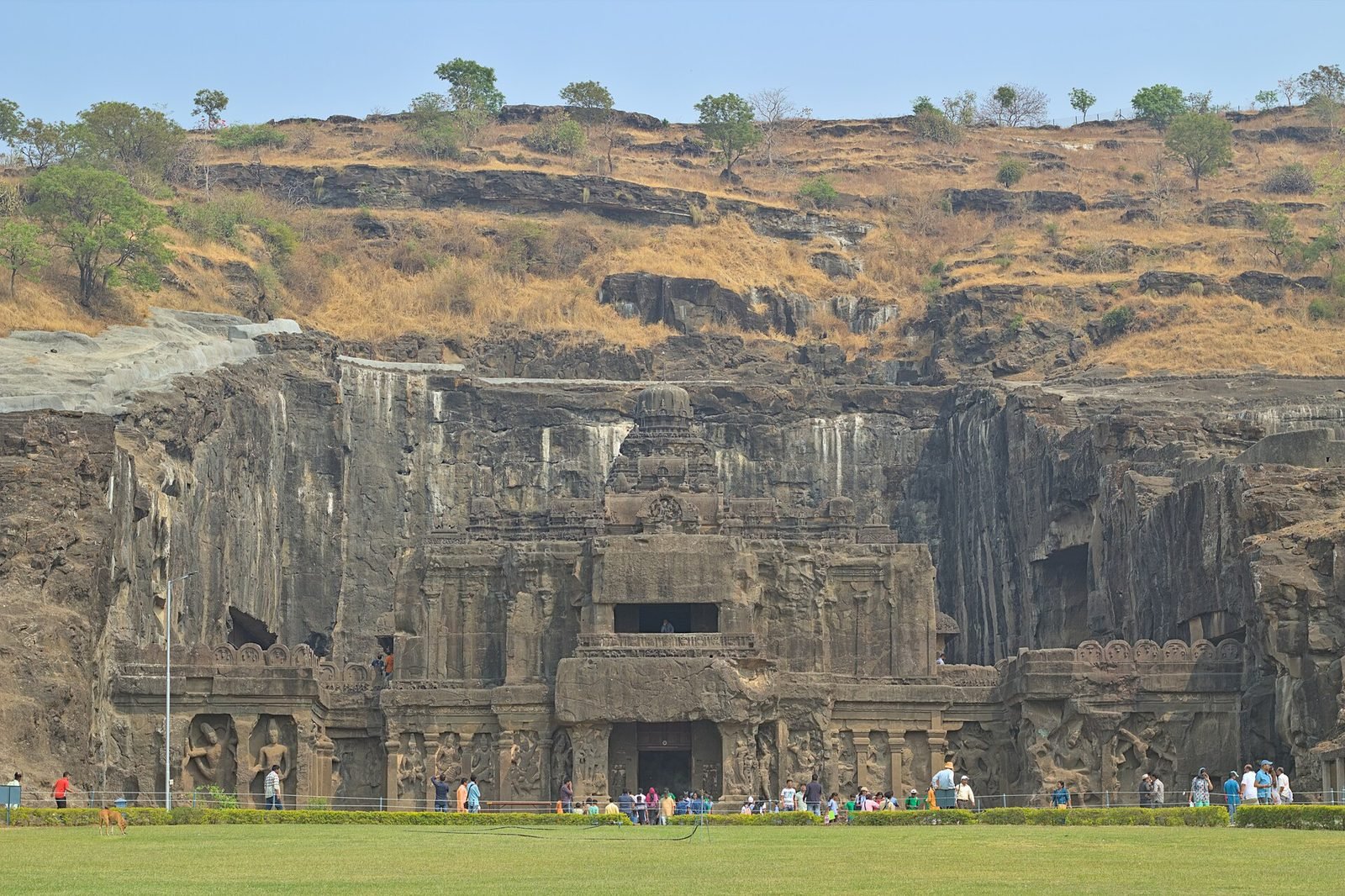
Photos: Capturedmumbai, CC BY-SA 4.0, via Wikimedia Commons · GiffyTiffy, CC BY 4.0, via Wikimedia Commons · Shishirdasika, CC BY-SA 4.0, via Wikimedia Commons
09Legal Checks, Stamp Duty and Property Tax: Maharashtra Specifics
Maharashtra wrote the country's first RERA and runs the most documented land-records system in India; the losses come from skipping the documents that exist.
Who approves what
The BMC, PMC, PCMC and the regional municipal corporations sanction building plans in their limits; MMRDA, PMRDA and NMRDA plan the metropolitan regions; CIDCO owns and develops Navi Mumbai's nodes on leasehold; MHADA builds and allots affordable housing by lottery; the Slum Rehabilitation Authority runs SRA schemes; MIDC allots industrial land; the Collector issues NA orders. MahaRERA registers every project above the usual thresholds and publishes the promoter's record, the sanctioned plan, the carpet-area table and the quarterly progress; it is the first document in any deal. Land records live on the Mahabhulekh portal with the 7/12 extract, the 8A and the ferfar.
The due-diligence checklist
- MahaRERA registration for the project, with the promoter's delivery and complaint record, the carpet area and the completion date.
- 7/12 extract, 8A and ferfar for the land, with the owner, area, encumbrances and the mutation chain; and the NA order from the Collector converting it to non-agricultural use before any plot or project is bought on it.
- Sanctioned plan, commencement certificate and occupation certificate from the corporation; a flat without an OC cannot get water, a mortgage from most banks or a clean resale.
- Society conveyance or deemed conveyance for older buildings, so the society actually owns the land it stands on; without it redevelopment stalls and resale discounts.
- Share certificate and society NOC for resale flats, with the transfer premium and no-dues.
- Title search for 30 years through a lawyer, the sub-registrar index and the court records; Mumbai titles carry tenancy, pagdi and family-partition history.
- CRZ, gaothan, forest and reservation status for anything on the coast, in a village settlement or near the mangroves and the Ghats; the development plan's reservations on a plot decide what may be built.
- CIDCO and MHADA transfer conditions for their allotments, and MIDC transfer permission for industrial plots.
Agricultural land
Under the Maharashtra Tenancy and Agricultural Lands Act, a person who is not an agriculturist cannot buy agricultural land without the Collector's permission; the state relaxed this for bona fide industrial use and the rules on who counts as an agriculturist are applied unevenly, but the principle stands and NRIs and OCIs are barred under FEMA in any case. Converting farmland to residential needs the NA order, and the plotted layouts sold around Pune, Nashik and Nagpur without one are the state's commonest trap. Farmhouse plots in Karjat, Lonavala and Alibaug need the same order and, on the coast, CRZ clearance.
Stamp duty and registration
Stamp duty in Maharashtra is 5 percent, plus a 1 percent metro cess in Mumbai, Pune, Nagpur and the other metro cities, so 6 percent in the big markets and 5 percent elsewhere; women buyers pay 1 percent less on residential property. The registration fee is 1 percent capped at ₹30,000, one of the lower caps in India. Duty is paid on the higher of the sale price and the ready-reckoner rate, which the state revised upward recently after years of freezes. Redevelopment permanent-alternate-accommodation agreements, gift deeds and family transfers have their own concessional rates. Confirm the live figures before you budget; the state changes them by notification and has offered temporary cuts in the past.
Property tax
The BMC levies property tax on capital value with exemptions for small flats; Pune, Nagpur, Thane and the other corporations use their own capital-value or rateable-value systems and are stricter about arrears than most of the country. Society maintenance in Mumbai's newer towers runs ₹8 to 20 per sq ft a month and is the recurring cost that matters; CIDCO and MIDC lease rent and MHADA's service charges apply to their stock.
Units you will hear
Mumbai and Pune quote carpet area in sq ft under MahaRERA, with built-up and super built-up still used in resale conversations; the gap between carpet and super built-up is 30 to 45 percent in older buildings. Plots are quoted in sq ft or sq yd in the cities and in guntha and acre in the villages: one guntha is about 121 sq yd, 40 guntha make an acre, and the 7/12 records in hectares and ares. Convert everything to carpet sq ft or sq m before you compare.
Rates on this page are indicative asking prices gathered from transactions and listings Mr. Homez handled or reviewed. They change with every quarter and every collector-rate revision. Stamp duty, cess and tax rules are summarised from government notifications current at the time of writing; confirm the live figures with the sub-registrar before you commit money. This is market commentary, not legal or investment advice.