

01Ground Reality: A Planned Capital, a Heavy-Industry State and Prices That Have Stayed Honest
Odisha is 47 million people, the largest reserves of iron ore, bauxite, coal and chromite in the country, and a capital that was drawn on paper by Otto Königsberger in 1948 and has stayed more or less within its lines. That planning is the first fact of the market. Bhubaneswar, 1.2 million people in the city and 1.8 million in the capital region with Cuttack, has wide roads, numbered units, a Development Authority that actually enforces its master plan, a Smart City programme that topped the national ranking, and an IT and institutional economy (Infocity, the IITs and NISER, the AIIMS, the KIIT and SOA universities) that gives it a professional class out of proportion to the state. It is the best-run mid-sized state capital in eastern India and it prices like a Tier 2 city with ambitions: flats ₹7,000 to 10,000 per sq ft in Chandrasekharpur, Patia and Jaydev Vihar, ₹5,500 to 7,500 in Nayapalli, Saheed Nagar and Kalinga Nagar, ₹4,500 to 6,500 in Khandagiri, Sundarpada, Tamando and the Jatni road, and land at ₹15 to 40 lakh a decimal (435.6 sq ft) in the north and ₹5 to 12 lakh on the fringes.
The second fact is that Odisha's money is industrial and sits outside the capital. Kalinganagar's steel cluster, Paradip's refinery and port, Angul's steel and aluminium, Jharsuguda's smelters, Rourkela's SAIL plant, the Dhamra and Gopalpur ports and the mining districts generate the state's ₹9.5 lakh crore economy and its best private salaries, but their housing is company townships and small-town plots, not flats. The flat market is Bhubaneswar, Cuttack and, thinly, Rourkela, Berhampur and Sambalpur. Buyers are state and central government staff, the IT and campus crowd, doctors, the Odia diaspora in Bengaluru, Hyderabad and the Gulf, and the mining and steel contractors whose cash built a lot of Patia.
What changed in the last three years: the state replaced its 1982 apartment law with the Odisha Apartment (Ownership and Management) Act, which finally gives flat owners a clear title to the undivided land and a workable association structure; the Puri international airport cleared its site and in-principle approvals and sent coastal land into orbit; the Bhubaneswar–Cuttack–Puri–Paradip economic region was planned as a single growth zone with a ring road and the coastal highway; the Utkarsh Odisha investor summit and the new industrial policy pulled record MoUs including a silicon-carbide semiconductor fab at Infovalley; Tata Steel's Kalinganagar expansion to eight million tonnes came on stream; and Bhubaneswar's Metro, announced with a foundation stone, was put under review by the new government, which is the kind of reversal a buyer should price in.
The honest caution: Odisha's land law has one rule that trips everyone. Every plot carries a kisam (land class) in the record of rights, and agricultural kisam cannot be built on until it is converted under Section 8A of the Odisha Land Reforms Act by the Tehsildar, a process developers call the state's biggest bottleneck. A plot in a "gated colony" on unconverted land is a field with a wall. Add the Scheduled Area rules that bar transfer of tribal land to non-tribals across a third of the state, government-lease and chaka land that cannot be sold, and the cyclone exposure of the coast, and the checklist is specific to Odisha.
02Location and Macro Infrastructure: The Coastal Corridor and the Capital Region
Odisha is a 480-km coast backed by the Eastern Ghats, with the Mahanadi delta around Cuttack and Bhubaneswar as its urban heart. National Highway 16, the Kolkata–Chennai Golden Quadrilateral, runs the whole coast through Balasore, Bhadrak, Cuttack, Bhubaneswar, Khurda and Berhampur and is the state's economic spine; NH-55 and NH-53 run west from Cuttack through Angul and Sambalpur to Jharsuguda and Rourkela, the industrial and mining belt; NH-326 and NH-26 go south-west into the tribal districts and Andhra; and the Howrah–Chennai main line and the Sambalpur and Rourkela lines mirror the roads. The coastal highway from Gopalpur to Digha, the Cuttack–Paradip expressway, the Bhubaneswar–Puri six-lane and the Capital Region ring road are the projects redrawing the delta.
The capital region. Bhubaneswar and Cuttack are 25 km apart on NH-16 with the Mahanadi and Kathajodi between them, joined by the Netaji Subhas Chandra Bose Setu and the new Cuttack–Bhubaneswar bridges and a four-to-six-lane highway lined with Nandankanan, the Trisulia belt and the Infocity extensions; the state treats them as a twin city and the land between them, around Pahala, Phulnakhara and Naraj, is the connective tissue that developers are assembling. South of the capital, the Bhubaneswar–Jatni–Khurda axis carries IIT Bhubaneswar, Infovalley, the semiconductor site and the railway town of Khurda Road; east, the Puri road carries Pipili, Satyabadi and the pilgrim traffic to the coast; north, the Chandaka forest limits the city and keeps the Patia and Raghunathpur belt as its edge.
Air. Biju Patnaik International handles five million passengers with Bangkok, Dubai, Singapore and Kuala Lumpur routes and a new terminal on the way; Jharsuguda is the western airport; Rourkela has commercial flights; and the Shree Jagannath International Airport at Puri, with site clearance and in-principle approval, is the project that will turn the pilgrim town into a second gateway and has already repriced the Puri–Konark and Puri–Brahmagiri land.
Ports and industry links. Paradip is a top-three Indian port by cargo with the IOCL refinery and the petrochemical complex behind it; Dhamra has the LNG terminal and the Adani port; Gopalpur has the Adani port and the Tata Steel SEZ; the rail links from Kalinganagar, Angul and the mining belt to these ports are the freight story, and the industrial corridors along them (Paradip–Cuttack, Kalinganagar–Dhamra, Angul–Sambalpur) are where the next townships go.
Metro. The 26-km Bhubaneswar–Cuttack metro via the airport and Trisulia had a foundation stone and a contractor; the new government paused it for review and the status is open. Buy on the roads and the airport, not on the metro, until the first pillar stands.
03Micro-Markets and What Sells: Bhubaneswar Unit by Unit, Cuttack, and the Nine Towns
Bhubaneswar (Tier 2)
Read the city north to south. Patia, Chandrasekharpur, Niladri Vihar, Sailashree Vihar and Raghunathpur are the north, built around Infocity (Infosys, TCS, Wipro, Mindtree, Tech Mahindra), KIIT, the Chandaka edge and the Nandankanan road: the newest towers, the best gated projects, flats ₹7,000 to 10,000 per sq ft and land ₹15 to 40 lakh a decimal, the address the IT and campus crowd wants. Jaydev Vihar, Nayapalli, Saheed Nagar, Satya Nagar and Kharavel Nagar are the planned middle: wide roads, the Janpath and the Bhubaneswar institutional belt, builder floors and mid-rise flats at ₹6,000 to 9,000, plots that rarely come to market. Unit 1 to 9, Bapuji Nagar and the Master Canteen belt are the original Königsberger city, government quarters, the railway station and the commercial core. Khandagiri, Dumduma, Sundarpada, Tamando, Pokhariput and Kalinga Nagar are the south and west, the mass-market belt at ₹4,500 to 6,500 where most of the 2 BHK stock is and where the Jatni road's growth starts. Old Town and the Lingaraj belt are temple heritage, dense and controlled. Jatni, Argul and Infovalley to the south-west, with IIT Bhubaneswar, the IT park, the semiconductor site and the Khurda Road junction, are plots at ₹5 to 12 lakh a decimal and the capital's long-term growth axis.
What sells: 3 BHKs of 1,400 to 1,800 sq ft at ₹90 lakh to 1.6 crore in the north for the IT, doctor and officer buyer; 2 BHKs at ₹50 to 75 lakh in Patia, Khandagiri and Sundarpada for first homes and the KIIT–Infocity rental market; plots of four to ten decimals in BDA-approved layouts wherever the kisam is converted; villas and duplexes in the gated projects on the Jatni and Puri roads; and shops on Janpath, Saheed Nagar main road and the Patia–KIIT stretch. The rental market is the state's deepest: KIIT, SOA, Utkal, the IITs and NISER, Infocity and AIIMS put 150,000 students and staff into the city.
Cuttack (Tier 2)
Cuttack is the thousand-year-old capital, the High Court, the SCB medical college, the silver filigree trade and the Bali Jatra; dense, flood-ringed and short of land. The CDA sectors (1 to 15) across the Kathajodi and Bidanasi are the planned extension at ₹4,500 to 6,500 per sq ft; the Link Road and Mahanadi-front belt is the premium; Badambadi, Buxi Bazar and Chauliaganj the trading middle; and the Trisulia–Naraj stretch towards Bhubaneswar is where the new projects go, sold on the twin-city commute. The courts and the medical college make it the lawyer-and-doctor city; prices run 30 percent below Bhubaneswar for equivalent stock, and appreciation of 7 to 8 percent a year has tracked the capital's.
Rourkela, Berhampur and Sambalpur (Tier 3)
Rourkela is the SAIL steel city in the north-west, with NIT, the Birsa Munda hockey stadium that hosted the World Cup, an airport with commercial flights and a planned, company-built core; Civil Township, Panposh, Chhend and Koel Nagar at ₹3,500 to 5,000 per sq ft, the steel-plant expansion and the Rourkela Smart City the catalysts, and Scheduled Area land all around. Berhampur is the silk city of the south and the Ganjam trading capital, with Gopalpur port and the Tata Steel SEZ 15 km away, the new Berhampur University campus and the MKCG medical college; flats ₹3,500 to 5,000, and the Gopalpur-on-Sea beach belt the one coastal second-home market in the state outside Puri. Sambalpur is the western capital: Hirakud dam, IIM Sambalpur, VSSUT at Burla, the railway division and the NH-53 trade; flats ₹3,500 to 4,800, plots in Dhanupali, Ainthapali and the Burla road.
Puri, Balasore and Bhadrak (Tier 4)
Puri is Jagannath, the Rath Yatra, the heritage corridor around the temple that cleared and rebuilt the precinct, the beach and the Konark road; sea-facing and corridor land at ₹20 to 60 lakh a decimal, hotels and guest houses the product, and the airport the reason everyone is buying. The Puri-Konark Development Authority controls the zone and the Coastal Regulation Zone rules limit what can be built near the sea. Balasore is the Chandipur missile range, the Balasore industrial estate and the Kolkata road, 60 km from Bengal; plots and the Fakir Mohan University belt. Bhadrak serves Dhamra port and the LNG terminal; highway plots and godowns.
Baripada, Jharsuguda and Rayagada (Tier 5)
Baripada is Mayurbhanj's headquarters and the Simlipal gateway, with the Mayurbhanj palace and a trade economy, inside a Scheduled Area where tribal-land rules bind every transaction. Jharsuguda is Vedanta's aluminium smelter and the Veer Surendra Sai airport, company housing and highway plots. Rayagada is Utkal Alumina and the JK paper mill in a tribal district; buy only with Scheduled Area clearance and only for trade.
04Economy and Employment: Steel, Aluminium, Ports, IT and a Semiconductor Bet
Odisha's economy is about ₹9.5 lakh crore and it is the most industrial in eastern India by far. Metals and mining: Tata Steel at Kalinganagar (now eight million tonnes), JSW's proposed Paradip plant, Jindal Steel and NALCO at Angul, Vedanta and Hindalco at Jharsuguda and Lanjigarh, SAIL at Rourkela, the Keonjhar and Sundargarh iron-ore belt and the Talcher coalfield. Petrochemicals and ports: IOCL's Paradip refinery and the petrochemical complex, the Dhamra LNG terminal, and the three ports. Government and institutions: the state capital, the High Court at Cuttack, and the campus cluster (IIT, NISER, AIIMS, IIM Sambalpur, NIT Rourkela, KIIT, SOA, Utkal, XIM) that is the state's export industry in people. IT and services: Infocity 1 and 2 with Infosys, TCS, Wipro, Mindtree, Tech Mahindra and a growing GCC layer, Infovalley at Jatni, and software exports of a few thousand crore that are small nationally but large for the city.
The semiconductor bet is the SiCSem silicon-carbide fab at Infovalley, approved under the India Semiconductor Mission as the country's first compound-semiconductor fab, with a second packaging unit proposed; it is modest in scale against Gujarat's fabs but it anchors the Jatni–Infovalley axis as the capital's industrial-tech zone. The Utkarsh Odisha summit's MoUs, the new industrial policy's incentives and IDCO's land bank have brought a pipeline of steel, aluminium downstream, textiles, chemicals and renewable-equipment plants to Kalinganagar, Paradip, Dhamra, Gopalpur and Angul; the ones that have broken ground are the ones to price in.
Property demand follows: IT and campus salaries buy the north of Bhubaneswar; government buys the middle; the industrial contractors and mining money buy plots across the capital and in Rourkela and Angul; and the company townships at Kalinganagar, Paradip, Jharsuguda and Angul keep the industrial towns' private markets small. Healthcare is a growing employer and draw: AIIMS Bhubaneswar, SCB and the SUM, KIMS, Apollo and Care hospitals make the capital region a medical destination for the state and for Chhattisgarh and Jharkhand's border districts. Hospitality is Puri, Konark, Chilika and the capital's business and MICE hotels.
05What Changes in the Next 3 to 7 Years
The Puri airport. Construction and opening of the international airport turns Puri from a day trip into a destination, and the Puri–Konark marine drive, the Brahmagiri–Satapada road and the Bhubaneswar–Puri six-lane into a coastal second-home and hotel corridor. The land has moved; the hotels and villas come next.
The economic region. The Bhubaneswar–Cuttack–Puri–Paradip plan, the Capital Region ring road, the Cuttack–Paradip expressway and the coastal highway merge four towns into one economic zone. Phulnakhara, Pahala, Trisulia, Naraj, Pipili and the Paradip road are the land between, and that is where township-scale assembly is happening.
Infovalley and the south-west. The fab, IIT's expansion, the IT park's second phase and the Khurda Road junction pull the city towards Jatni. Plots on the Jatni and Khurda roads are the capital's clearest appreciation bet.
Kalinganagar and Paradip mature. Tata's expansion, JSW's plant if it proceeds, the refinery's petrochemicals and the port doublings create industrial-township demand in Jajpur Road, Duburi and the Paradip–Kujang belt; small, steady, company-driven.
The apartment law beds in. Clear title to undivided land, mandatory associations and a dispute mechanism make Bhubaneswar and Cuttack flats a cleaner asset than they were; expect banks to lend more freely on registered apartments and resale to ease.
Kisam conversion reform. Developers are pushing the state to streamline Section 8A conversion, which is the one reform that would release the land around every city. If it happens, the fringe re-prices upward; if not, converted land keeps its premium over unconverted. Buy converted.
The metro question. If the Bhubaneswar–Cuttack metro is revived, Trisulia, the airport belt and Nandankanan road win; if it is shelved, nothing changes. Price it at zero and treat any revival as a bonus.
06Civic Life: The Quiet Advantage of a City That Was Planned
Bhubaneswar is the city that people move to from Kolkata and Ranchi for the roads and the order. Wide avenues, numbered units, a working bus system, street lighting, a Smart City command centre, the Ekamra heritage walks around the Lingaraj and Mukteswar temples, the Nandankanan zoo, the Chandaka forest at the city's edge and the beach 60 km away make it an easy place to live. Schools are strong (DAV, KIIT International, SAI International, Mother's Public, Loyola, DPS, the Kendriya Vidyalayas); the universities are the state's pride; healthcare is AIIMS, Apollo, SUM, KIMS, Care, Kalinga and the government's Capital Hospital. Food, Odissi dance, the temple festivals, the Konark dance festival and a tolerant, unhurried culture complete the picture. Air is clean most of the year, the city is safe for families, and English and Hindi are widely spoken in the city alongside Odia.
The deficits: summer heat that makes May unbearable, waterlogging in the low units and the Nayapalli and Saheed Nagar drains in a heavy monsoon (the drainage sensors and the storm-drain programme are the fix in progress), traffic on the Janpath and the Cuttack road that the flyovers have not caught up with, water supply that depends on the Kuakhai intake and tankers in the fringe, and a property-tax base too small for a city of its size. Cuttack is older, denser and floods at the edges; its advantage is character and the courts. The industrial towns, Rourkela, Angul, Jharsuguda, are company-ordered and well served but socially thin; Berhampur and Sambalpur are regional capitals with good colleges and hospitals and small-town pace.
Cyclones are the fact of coastal life: Fani in 2019 flattened Puri and tore through Bhubaneswar, and Phailin, Titli, Amphan and Yaas each hit the coast; the state's evacuation system is the best in India and the building norms have tightened, but a coastal buyer should read the cyclone-shelter map and the CRZ rules as carefully as the title.
07Climate and How to Build for It
Odisha is tropical: summers from March to June at 38 to 45 degrees with Bhubaneswar, Titlagarh and Sambalpur among the hottest places in India, a monsoon from June to September that drops 1,400 to 1,600 mm, a cyclone season in October and November and again in April and May, and a short mild winter at 12 to 28 degrees. Humidity on the coast is 70 to 90 percent for most of the year; the interior west is drier and hotter.
Build for heat and wind. Insulated roofs, thick walls or cavity walls, verandahs and deep overhangs, cross-ventilation and a courtyard where the plot allows, light colours, and a solar water heater that pays back in a year. On the coast within 50 km of the sea, cyclone-resistant construction: an RCC frame designed for the IS 875 wind zone, hipped roofs over flat ones, no large unframed glass facing the sea, proper anchoring of every parapet and water tank, and a ground floor that can take storm surge in Puri, Konark, Gopalpur and Chandipur. Fani's lesson was that the frames held and the finishes, the sheds and the trees did not.
Flooding: the Mahanadi delta around Cuttack and the Kathajodi, Daya and Kuakhai rivers around Bhubaneswar flood in a bad monsoon, and the city's low units and the Nayapalli basin go under in a cloudburst. Check the plinth level against the road and the drain, see the plot in August, and prefer the north's higher ground or the raised plinths of the newer south-side projects. The state is in seismic zones II and III, low risk; a standard RCC frame suffices.
08Landmarks, Tourism and the Hospitality Angle
The Golden Triangle of Bhubaneswar, Puri and Konark is one of India's classic circuits: the Lingaraj and Mukteswar temples and the Ekamra heritage zone in the capital, the Jagannath temple and the Rath Yatra at Puri with the new heritage corridor around it, and the Sun Temple at Konark, a UNESCO World Heritage site, 35 km down the marine drive. Chilika, Asia's largest brackish lagoon with its dolphins and migratory birds, is an hour south; Gopalpur-on-Sea is the quiet beach; the Udayagiri and Khandagiri Jain caves and the Dhauli peace pagoda are in the capital; Simlipal, Bhitarkanika's mangroves and crocodiles, the Hirakud dam, the Satkosia gorge and the tribal districts' weekly markets are the interior. The Puri Rath Yatra draws over a million people in a day; the Konark dance festival, the Bali Jatra at Cuttack and the Dhanu Jatra at Bargarh are the cultural calendar.
The hospitality angle is concentrated. Puri is the real market: pilgrim demand all year, a Bengali holiday crowd in every school break, the Rath Yatra peak, hotels from dharamshalas to five-star on the Marine Drive and the New Marine Drive belt, and the airport about to multiply the catchment; a well-located hotel or a block of service apartments earns 8 to 12 percent on cost. Konark and the Puri–Konark marine drive are the resort belt, with CRZ limits on what can be built and a premium on the plots that can. Bhubaneswar is business, MICE, medical and campus: five-star supply is thin, the convention and sports events (the hockey World Cup, the Odisha FC season) fill the city, and service apartments near AIIMS, Infocity and the airport let steadily. Chilika and Gopalpur are boutique and seasonal. Treat Puri as an investment with an operator, the capital as steady income, and the interior as passion projects.
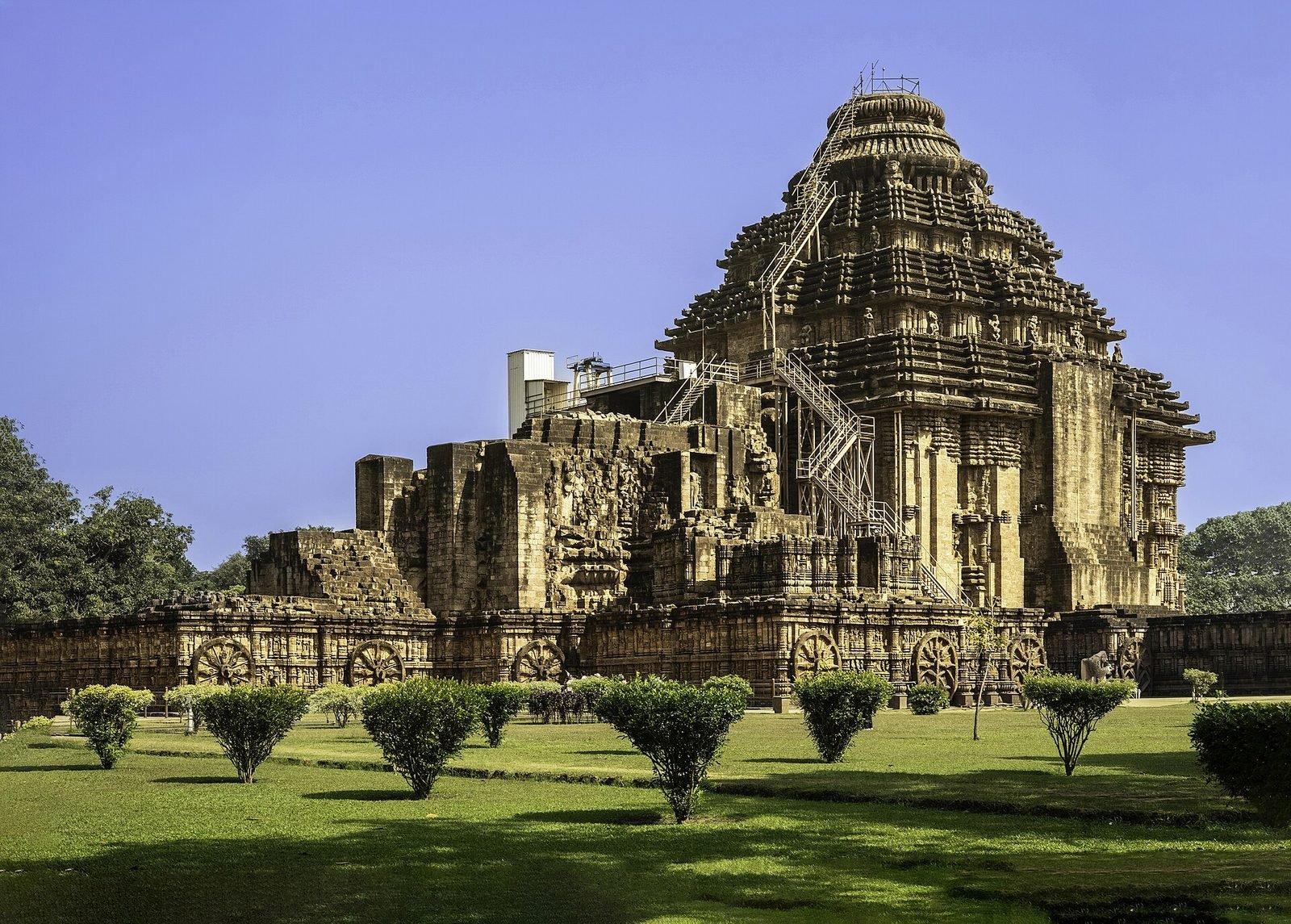
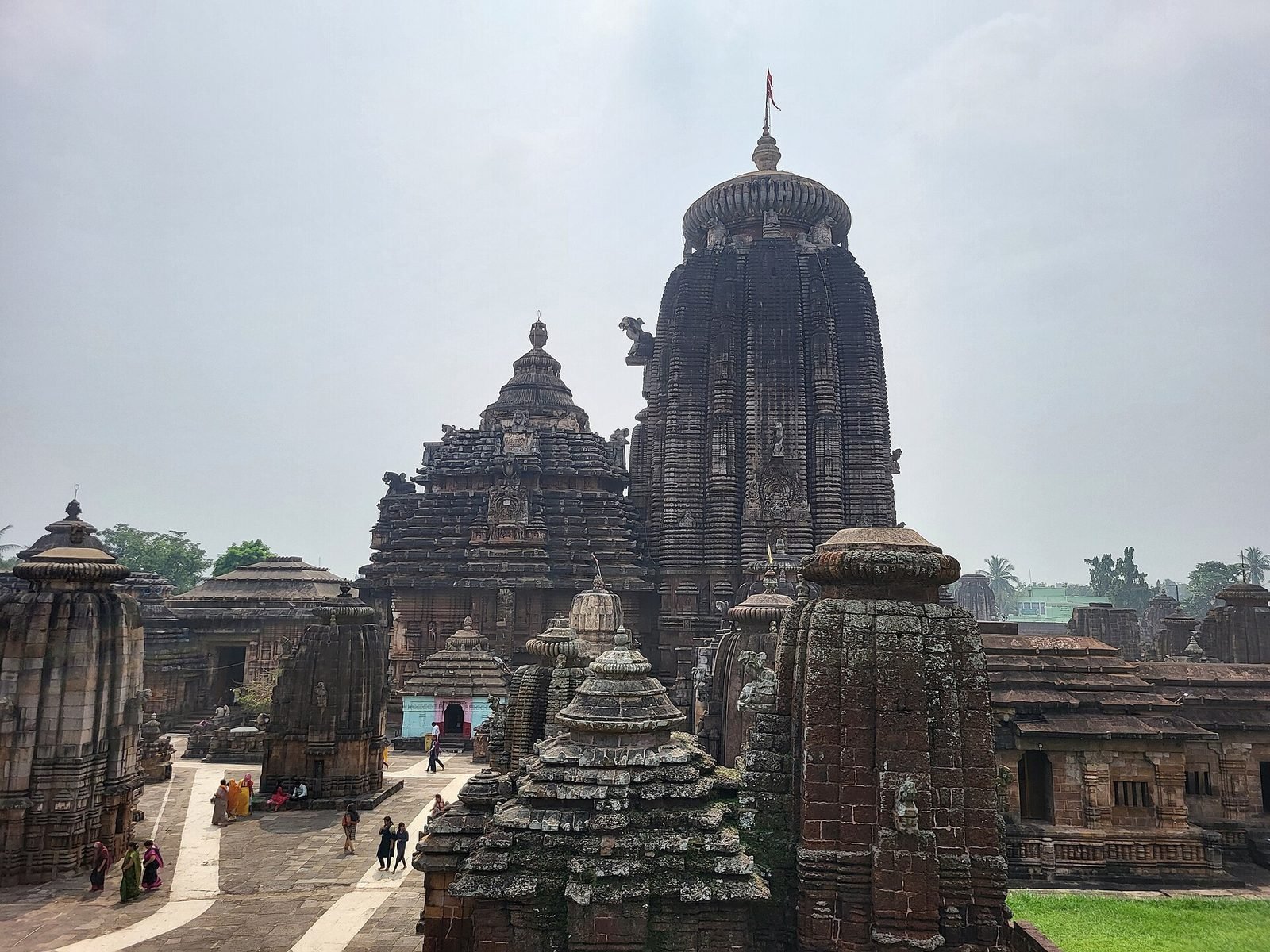
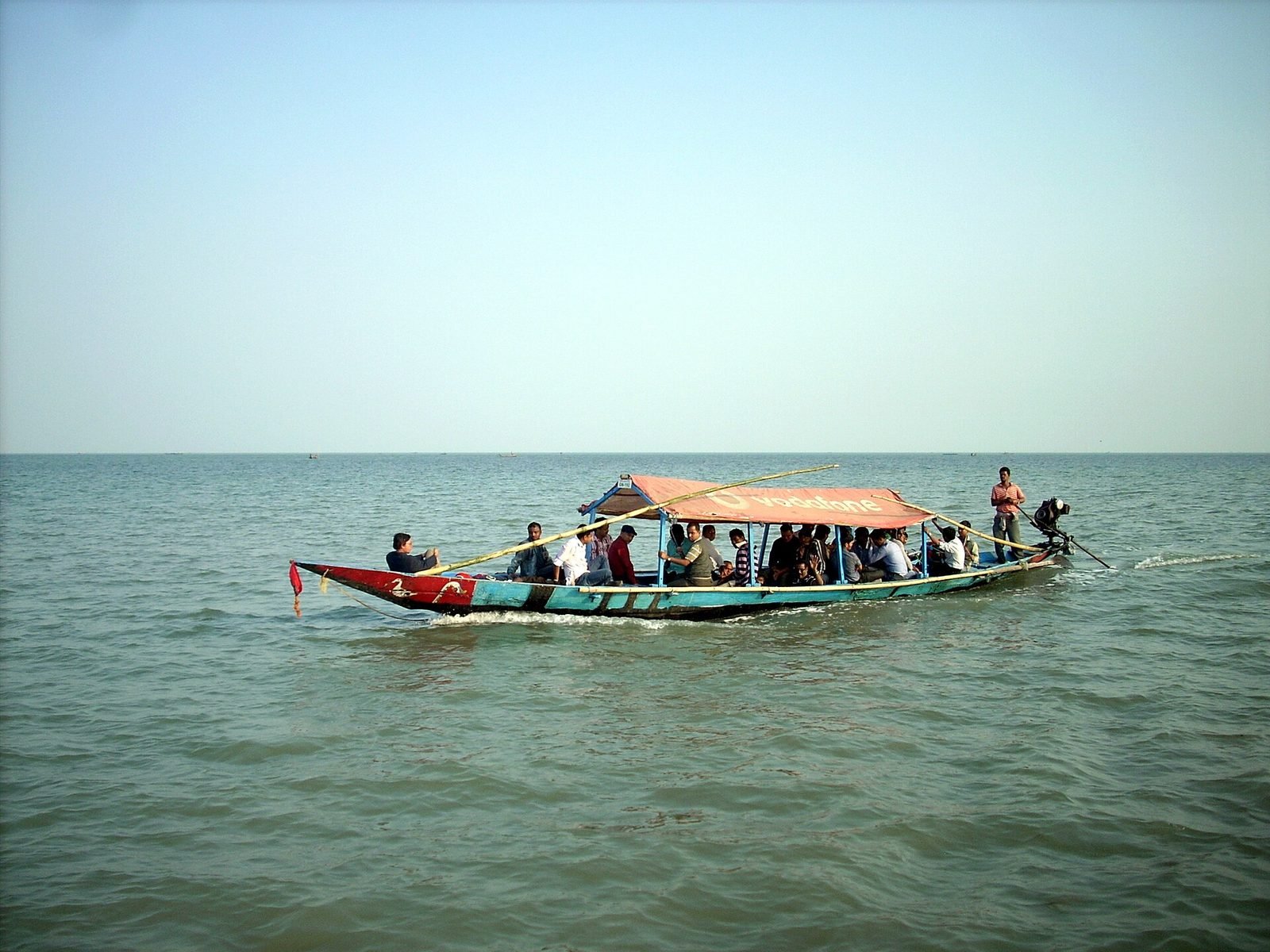
Photos: Joydeep Chakraborty, CC BY-SA 4.0, via Wikimedia Commons · Athulvis, CC BY-SA 4.0, via Wikimedia Commons · Ckpcb, CC BY-SA 3.0, via Wikimedia Commons
09Legal Checks, Stamp Duty and Property Tax: Odisha Specifics
Who may buy. Any Indian may buy land in Odisha outside the Scheduled Areas. In the Scheduled Areas (all of Mayurbhanj, Sundargarh, Koraput, Rayagada, Malkangiri, Nabarangpur, Kandhamal, Gajapati and parts of Keonjhar, Balasore, Sambalpur and Ganjam), Regulation 2 of 1956 bars the transfer of tribal land to non-tribals without the Sub-Collector's permission, which is rarely given, and such transfers are void; Rourkela, Baripada and Rayagada sit inside these rules. NRIs and OCI holders may buy residential and commercial property under FEMA but not agricultural land. Government-lease land, chaka and gochar (grazing) land, and land allotted under the Vasundhara and ceiling schemes carry their own restrictions.
Kisam and conversion. Every plot in the record of rights (the RoR, on the Bhulekh portal) carries a kisam, its land class: gharabari (homestead) can be built on; sarad, bagayat, jalasaya and the other agricultural and water kisams cannot until converted under Section 8A of the Odisha Land Reforms Act by the Tehsildar, with a conversion fee based on the benchmark value. A BDA or municipal plan will not be sanctioned on unconverted land and a sale deed on it is a sale of a field. Insist on the RoR in the seller's name with gharabari kisam or the conversion order, the Bhunaksha map, the mutation record, a 30-year chain and an encumbrance certificate from the sub-registrar.
Approvals. In Bhubaneswar the Development Authority gives the land-use and plan sanction under the Comprehensive Development Plan and the Bhubaneswar Development Authority (Planning and Building Standards) Regulations, and the Municipal Corporation the completion and occupancy; Cuttack, Puri-Konark, Rourkela, Berhampur and Sambalpur have their own authorities. For flats, demand the sanctioned plan, the Odisha RERA registration, the fire NOC, the occupancy certificate and the deed of apartment under the new Odisha Apartment (Ownership and Management) Act, which gives the owner a share in the land; for plots in a layout, the authority's layout approval and the conversion order. Within 500 metres of the high-tide line at Puri, Konark, Gopalpur and Chandipur, the Coastal Regulation Zone rules apply and the Odisha Coastal Zone Management Authority's clearance is needed for anything new.
Stamp duty and registration. Stamp duty is 5 percent for men and 4 percent for women, with commercial property at a higher rate in some districts, and the registration fee is about 2 percent, on the higher of the sale price and the benchmark value set by the district registrar; a ₹1 crore flat costs a man around ₹7 lakh to register. The stamp-amendment Bill passed this year is intended to simplify duty on apartment transactions; check the current slab on the IGR Odisha portal, where registration is online with a sub-registrar appointment. Mutation follows at the Tehsil through Bhulekh.
Property tax and holding costs. Bhubaneswar and Cuttack Municipal Corporations levy a holding tax on annual value, modest and now billed online; the BDA's development and infrastructure charges on new construction are the larger one-time cost. Society maintenance runs ₹2 to 3.5 per sq ft. Plots should be walled; encroachment is less rampant than in Bihar or Bengal but real on the fringes.
Tax. National rules apply: 12.5 percent long-term capital gains after 24 months, Section 54 and 54F rollovers, 1 percent TDS above ₹50 lakh, rental income at slab rates. There is no special Odisha regime for property beyond the municipal holding tax.
Rates on this page are indicative asking prices gathered from transactions and listings Mr. Homez handled or reviewed. They change with every quarter and every collector-rate revision. Stamp duty, cess and tax rules are summarised from government notifications current at the time of writing; confirm the live figures with the sub-registrar before you commit money. This is market commentary, not legal or investment advice.