
01Ground Reality: Three Economies and One Land Law
Uttarakhand sells three different things. The Doon valley sells lifestyle: Dehradun and Mussoorie draw retirees, defence families, boarding-school parents and the Delhi remote-work crowd who want hills within four hours of the capital. The Ganga towns sell faith and tourism: Haridwar's pilgrim economy and Rishikesh's yoga, rafting and AIIMS payroll. The Terai plain sells industry: SIDCUL's Pantnagar estate at Rudrapur, Haridwar's industrial area and the Kashipur–Jaspur belt, where Tata Motors, Ashok Leyland, Bajaj, Hero, Nestle and Dabur plants rent housing by the thousand.
Across all three sits the land law. Uttarakhand has tightened the rules on outsiders buying land several times, most recently with legislation that bars non-residents from buying agricultural and horticultural land in eleven of the thirteen districts, with Haridwar and Udham Singh Nagar, the plains districts, the exceptions. Residential purchases by outsiders outside municipal limits are capped at a small plot per family. The practical effect: the plains and the municipal areas of Dehradun, Haridwar, Rishikesh and Haldwani are open markets; the hills are a Uttarakhandi market with a homestay layer on top.
What changed in the last five years: the Delhi–Dehradun Expressway started opening in phases and cut the Delhi run towards two and a half hours; the Char Dham all-weather road and the Rishikesh–Karnaprayag rail turned the pilgrim corridor into a construction zone; AIIMS Rishikesh matured into a real hospital with a staff rental market; and the 2023 Joshimath subsidence, after the 2013 Kedarnath floods, made every hill buyer ask about the ground before the view. Dehradun's Sahastradhara and Rajpur Road belts ran up 40 to 60 percent on the remote-work wave and have since gone quiet.
The honest caution: the state has more hill properties built without sanction, on unstable slopes or on forest-adjacent land than its authorities can police. Rishikesh's riverbank hotels, Mussoorie's cliff-edge cottages and the Nainital-side resorts are the reference cases.
02Location and Macro Infrastructure: The Expressway, the Char Dham Corridor and Three Airports
Uttarakhand's economy enters through the Doon valley from Delhi and Saharanpur, through Haridwar from Meerut and Muzaffarnagar, and through Rudrapur and Haldwani from Moradabad and Bareilly. The highways on those three approaches set property values.
Roads
- Delhi–Dehradun Expressway (the Delhi–Dehradun Economic Corridor). 210 km from Akshardham through Baghpat, Shamli and Saharanpur to Dehradun, opening in phases, with a 12 km elevated wildlife corridor through the Rajaji forest. It brings Dehradun within about two and a half hours of Delhi and is the single biggest re-rating event in the state's history; the Sahastradhara, Shimla-bypass and Doiwala sides have already priced some of it in.
- Char Dham all-weather road. The widened Rishikesh to Badrinath, Kedarnath, Gangotri and Yamunotri routes; most of the lower stretches are done. Rishikesh, Devprayag and Srinagar Garhwal are the towns it re-priced.
- NH-7 and NH-34 Haridwar–Rishikesh and the Haridwar bypass, the pilgrim-traffic arteries, and NH-109 Haldwani–Nainital with the Kathgodam approach, Kumaon's lifeline.
- Dehradun's own roads: Rajpur Road, Sahastradhara Road, GMS Road, the Shimla bypass and the Haridwar bypass, each a distinct price band.
Rail
The Rishikesh–Karnaprayag broad-gauge line, 125 km mostly in tunnels, is under construction and will put Devprayag, Srinagar, Rudraprayag and Karnaprayag on the rail map; it is the long-dated catalyst for the Garhwal pilgrim towns. Dehradun and Haridwar have direct Shatabdi, Vande Bharat and overnight services to Delhi; Kathgodam is the Kumaon railhead; Rudrapur and Kashipur sit on the Moradabad–Kathgodam line.
Airports
Jolly Grant at Dehradun is the state's main airport, expanded with a new terminal and direct flights to Delhi, Mumbai, Bengaluru and Hyderabad; it is 25 km from the city and ten from Rishikesh, which is why the Doiwala–Rishikesh stretch is a land story. Pantnagar airport is being expanded towards international status, which would change Rudrapur and Haldwani. Pithoragarh's Naini-Saini runs small aircraft; helipads serve Kedarnath and the pilgrim circuit.
03Micro-Markets and What Sells: City by City
Ten cities, three tiers and three different markets. Rates are indicative asking prices from recent deals and listings. Hill land is quoted by the nali in Kumaon and by the bigha or sq m in Garhwal; the plains use sq yd and sq ft.
| City | Tier | What actually sells | Indicative rates (current) |
|---|---|---|---|
| Dehradun | 3 | Apartments, builder floors, villas and plots in gated townships, cottages towards Mussoorie, showrooms on Rajpur Road, farmhouse land on the Doiwala and Sahaspur sides | Flats ₹4,500–8,000/sq ft (Rajpur Road ₹7,000–10,000); plots ₹30,000–1.2 lakh/sq yd |
| Haridwar | 3 | Flats, plots, SIDCUL worker housing, dharamshalas, hotels and ashram land, Bahadrabad and Jwalapur colonies | Flats ₹3,500–5,000/sq ft; plots ₹25,000–60,000/sq yd |
| Haldwani–Kathgodam | 3 | Plots, independent houses, shops and showrooms, warehouses, Kumaon's institutional and medical belt | Plots ₹20,000–60,000/sq yd |
| Roorkee | 3 | Plots, houses, IIT-area rentals, highway commercial, agricultural land | Plots ₹20,000–50,000/sq yd |
| Rishikesh | 4 | Flats, homestays, yoga retreats, hotel and camp land in Tapovan and Shivpuri, AIIMS-side housing | Flats ₹4,000–6,000/sq ft; hotel land far above |
| Rudrapur | 4 | Worker and manager flats, industrial plots and sheds, warehouses, cold storage | Flats ₹3,000–4,500/sq ft; industrial land by SIDCUL allotment |
| Kashipur | 4 | Plots, houses, mill-town rentals, highway commercial, agricultural land | Plots ₹12,000–35,000/sq yd |
| Pithoragarh | 5 | Plots and houses for local and defence demand; outsiders cannot buy farm land | Plots ₹8,000–25,000/sq yd |
| Ramnagar | 5 | Resort and farmhouse land on the Corbett side, plots and shops in town | Plots ₹10,000–30,000/sq yd; resort land by the acre |
| Kotdwar | 5 | Plots, houses, small SIDCUL sheds, gateway hospitality towards Lansdowne | Plots ₹8,000–25,000/sq yd |
Dehradun
Rajpur Road is the premium spine, with the older bungalows, the Pacific and Crossroads malls and the Mussoorie approach; flats here touch ₹10,000 per sq ft. Sahastradhara Road is the apartment and township belt that the remote-work wave built, with Pacific Hills, Doon Square and a dozen mid-size launches at ₹5,000 to 7,500. GMS Road and the Shimla bypass are the volume plotted and builder-floor markets; the Haridwar bypass and Doiwala side are where land for farmhouses and the airport-adjacent plays trade. Dalanwala, Vasant Vihar and the cantonment edges are the old-money kothi localities. Buyers are retirees from Delhi and Punjab, defence and paramilitary families, the parents of Doon School, Welham and Woodstock students, and remote workers. The MDDA is the sanctioning body and the city's unauthorised colonies, especially on the Sahaspur and Prem Nagar sides, are the trap.
Haridwar and Roorkee
Haridwar has three markets that barely touch: the pilgrim core around Har Ki Pauri with dharamshalas, hotels and ashram land; the SIDCUL industrial area at Bahadrabad with worker flats and sheds; and the residential colonies of Jwalapur, Kankhal and the Delhi road where Patanjali's and the mills' staff live. The Kumbh cycle lifts prices every twelve years and the state's Kumbh-related road works keep the city a construction site. Roorkee is IIT Roorkee, the Bengal Engineering Group cantonment and a Delhi–Dehradun Expressway interchange, with the most reliable rental floor in Haridwar district.
Rishikesh
Tapovan, Laxman Jhula and Shivpuri are the yoga, rafting and café economy, with homestays, retreats and hotel land that trade on tourism; the town proper and the AIIMS side on the Dehradun road are where flats and plots for staff and families sell. The Char Dham rail terminus at Yog Nagari and the airport ten km away are the catalysts; the riverbank setback rules after repeated floods are the constraint.
Haldwani, Kathgodam and the Kumaon gateway
Haldwani is the commercial capital of Kumaon: the mandi, the showrooms on Nainital Road and Rampur Road, the medical college, the ISBT and the planned institutional belt on the Gaulapar side, with the Nainital and Bhimtal second-home market behind it. Plots and shops are the product; apartment supply is thin and new. The Kathgodam railhead and the Nainital road widening are the catalysts; the Gaula river floodplain is the pocket to check.
Rudrapur and Kashipur: the Terai industrial plain
SIDCUL's Pantnagar estate is the state's largest employer and its best rental market: Tata Motors, Ashok Leyland, Bajaj, Nestle, Dabur, Parle and hundreds of component makers rent everything from PG beds to manager flats at ₹3,000 to 4,500 per sq ft. Pantnagar airport's expansion and the agricultural university add to it. Kashipur runs on IIM Kashipur, paper and sugar mills and trade on the Moradabad road. Both are open to outside buyers without the hill restrictions, which is why plains investors concentrate here.
Ramnagar, Kotdwar and Pithoragarh
Ramnagar is the Jim Corbett resort belt, where hospitality land on the Kosi and the Dhikuli strip trades by the acre and the town's plots are a local market. Kotdwar is the Lansdowne and Pauri gateway with a small SIDCUL estate. Pithoragarh is a border-district town with defence demand, a small airport and a land market closed to outsiders.
Who buys, and in what bracket
- Under ₹50 lakh: Rudrapur, Haridwar and Kashipur flats, Haldwani and Kotdwar plots; factory staff, local traders, first-time buyers.
- ₹50 lakh to ₹1.5 crore: Dehradun 2 and 3 BHKs on Sahastradhara and GMS Road, Rishikesh flats, Haldwani houses; retirees, defence families, remote workers, school parents.
- ₹1.5 crore to ₹4 crore: Rajpur Road apartments and villas, Dalanwala and Vasant Vihar kothis, Mussoorie-road cottages, Corbett resort plots; Delhi and Punjab second-home buyers, NRIs.
- Above ₹4 crore: Mussoorie estates, Rishikesh hotel land, Rajpur Road bungalows, Corbett resorts; hospitality operators and HNIs, each with a land-law story behind the deal.
04Industry and Employment: What Pays the EMIs
SIDCUL and the Terai plants
The State Industrial Development Corporation's estates at Pantnagar in Rudrapur, Haridwar and Sitarganj, plus the smaller ones at Kotdwar, Selaqui near Dehradun and Kashipur, are the legacy of the tax-holiday years and the state's manufacturing base. Tata Motors, Ashok Leyland, Bajaj Auto, Hero MotoCorp's Haridwar plant, Nestle, Dabur, Parle, ITC, Britannia and hundreds of pharma, auto-component and packaging units employ a workforce that rents in Rudrapur, Haridwar and Kashipur. Industrial plots are leasehold SIDCUL allotments with transfer charges.
Government, defence and institutions
The state secretariat in Dehradun, the Indian Military Academy, the Forest Research Institute, the Survey of India, ONGC's Dehradun headquarters, the Wildlife Institute and the cantonments at Dehradun, Roorkee, Ranikhet and Lansdowne are the salaried base of the Doon valley and the hills. AIIMS Rishikesh, IIT Roorkee, IIM Kashipur, the Pantnagar agricultural university, Doon University and the Haldwani and Srinagar medical colleges each anchor rental demand.
Tourism and pilgrimage
The Char Dham, Haridwar and Rishikesh draw tens of millions of pilgrims a year; Mussoorie, Nainital, Corbett, Auli and the Kumaon lakes draw the leisure crowd. Hotels, homestays, camps, rafting and the Char Dham logistics chain are the largest private employer in the hills, and licensed homestays are how a hill family makes a house pay.
Education as an industry
Dehradun's boarding schools, Doon School, Welham, Woodstock in Mussoorie, Wynberg-Allen, St Joseph's and a dozen others, bring families who rent or buy for the school years, and the private universities on the Dehradun fringe, Graphic Era, UPES, DIT, Petroleum University, add a student rental layer on the Bidholi and Selaqui sides.
Hydropower, forestry and horticulture
Tehri, the Alaknanda and Bhagirathi projects and the smaller hydro schemes pay compensation that becomes town plots; apple, stone fruit and off-season vegetable money from the hills buys Dehradun and Haldwani houses. The single window is the state's Invest Uttarakhand portal under SIDCUL and the Industries Department.
05What Changes in the Next 3 to 7 Years
- Delhi–Dehradun Expressway fully open. Dehradun at two and a half hours from Delhi turns the Doon valley into a second-home and retirement market on the scale of Lonavala for Mumbai. Sahastradhara, Doiwala, the Shimla bypass and Rishikesh re-price in that order.
- Rishikesh–Karnaprayag rail. Slow, tunnel-heavy and transformative for Devprayag, Srinagar Garhwal, Rudraprayag and Karnaprayag once it runs. The stations are the land plays.
- Pantnagar airport expansion. International status would change Rudrapur, Haldwani and the Nainital second-home market; a longer runway and more domestic routes would be enough to lift Terai land.
- Jolly Grant's new terminal and routes. Already lifting the Doiwala–Rishikesh stretch; more direct flights keep it going.
- Haldwani's institutional belt and the new Kumaon campuses on the Gaulapar side, plus the long-discussed shift of state functions to the Kumaon side.
- Char Dham corridor completion and the Kedarnath, Badrinath master plans. Pilgrim numbers keep rising; the hospitality supply along the corridor is the beneficiary, within the new disaster-zone rules.
- Land-law enforcement. The tightened rules on outsiders are being enforced with cancellations of past purchases that broke the limits. Any future easing for apartments or industry would re-price the hills; do not pay for it in advance.
- Disaster zoning after Joshimath. Slope, riverbank and carrying-capacity rules are being written into the planning norms; compliant property gains, the rest loses its resale market.
What this means for appreciation: Dehradun's premium belts have priced in the expressway and will track Delhi's second-home demand from here; the catch-up is in Doiwala, the Haridwar bypass side and Rishikesh ahead of the rail and the airport. The Terai industrial towns move with SIDCUL's order books, not with Delhi sentiment. Hill land is a Uttarakhandi's asset; outsiders should own approved flats, licensed homestays or Terai industrial property.
06Civic Life: Hospitals, Schools, Retirement Appeal and What Breaks
Healthcare
AIIMS Rishikesh is the state's apex hospital and a regional draw; Max, Synergy, CMI and the Doon medical college serve Dehradun; Himalayan Institute at Jolly Grant, the Haldwani and Srinagar medical colleges and the SIDCUL-side hospitals cover the rest. For anything complex, Dehradun families still drive to Delhi or Chandigarh, which is why the expressway matters to them more than any local hospital.
Education
The boarding-school belt, IIT Roorkee, IIM Kashipur, Pantnagar university, Doon University, Graphic Era, UPES and the Rishikesh yoga institutions; Dehradun is one of the few Tier-3 cities in India where schools are a reason to buy property.
Retail and recreation
Pacific Mall and the Rajpur Road high street in Dehradun, Haridwar's Har Ki Pauri bazaar, Rishikesh's Tapovan café strip, Haldwani's Nainital Road. Mussoorie, Nainital, Corbett, Auli and the Ganga are the weekend economy; the Rajaji and Corbett parks and the Doon valley's cantonment greens are the daily one.
The civic realities
- Water: Dehradun's Rajpur Road and Sahastradhara belts depend on borewells and tankers in May; Mussoorie and Nainital ration in peak season; the Terai towns have groundwater but it is falling.
- Slopes, floods and forest: Joshimath's subsidence, the 2013 Kedarnath floods and repeated Rishikesh and Nainital landslides are the reference events. A soil report, the drainage line above the plot and the forest and riverbank setbacks are worth more than any finish.
- Air and traffic: Dehradun's air is now Delhi-adjacent in winter and the Rajpur Road and Clock Tower traffic is a daily complaint; Haridwar and Rishikesh choke on pilgrim weekends and Kanwar season shuts the Delhi road for days.
- Power: UPCL supply is reasonable in the valley and plains; storms and snow cut the hills.
- Approvals: MDDA in Dehradun and the district development authorities elsewhere sanction plans slowly; unauthorised colonies on the Dehradun fringe, Haridwar's Bahadrabad side and the Haldwani outskirts are where cheap plots stay cheap.
- Pilgrim seasons and the Kanwar Yatra shape Haridwar and Rishikesh life: the towns are full from April to July and November, and the roads are theirs.
07Climate and How to Build for It
Uttarakhand spans the Terai plain, the Doon valley, the mid hills and the high Himalaya, and the climate changes with every 500 metres.
The Terai and Haridwar are hot and humid, 38 to 42°C in May and June, with 1,200 to 1,500 mm of monsoon rain and winter fog. The Doon valley at 600 metres is milder but gets the heaviest rain in the state, over 2,000 mm, in July and August bursts that flood the Rispana and Bindal streams. The mid hills, Mussoorie, Nainital, Almora and Pauri, have pleasant summers, wet monsoons with landslides and winters that touch freezing with occasional snow. The high valleys close for winter. The monsoon is the season that destroys property; the cloudbursts of 2013 and the landslides since are the design case.
What it means for a buyer or builder
- Seismic zones IV and V across the state: RCC frames with ductile detailing, not the stone cottages the brochures show.
- Retaining walls with weep holes, drainage of the slope above the house and a soil report before any hill purchase; most "landslides" are blocked drains.
- In Dehradun, check the plot against the Rispana and Bindal floodplains and the storm-drain map; the 2023 monsoon flooded Sahastradhara colonies that had never flooded.
- Sloped roofs, snow guards and gutters in the hills; insulated roofs and cross-ventilation in the Doon valley and the Terai where June is the enemy.
- Respect the riverbank setbacks in Rishikesh, the Ganga towns and the Kosi at Ramnagar; after the floods they are enforced and non-compliant property has no buyer.
- Rooftop solar pays back everywhere in the state; the hills get the sun and the valley gets the bills.
08Landmarks, Tourism and the Hospitality Angle
Uttarakhand is Devbhoomi, and faith and the mountains are both its identity and its most liquid hospitality market.
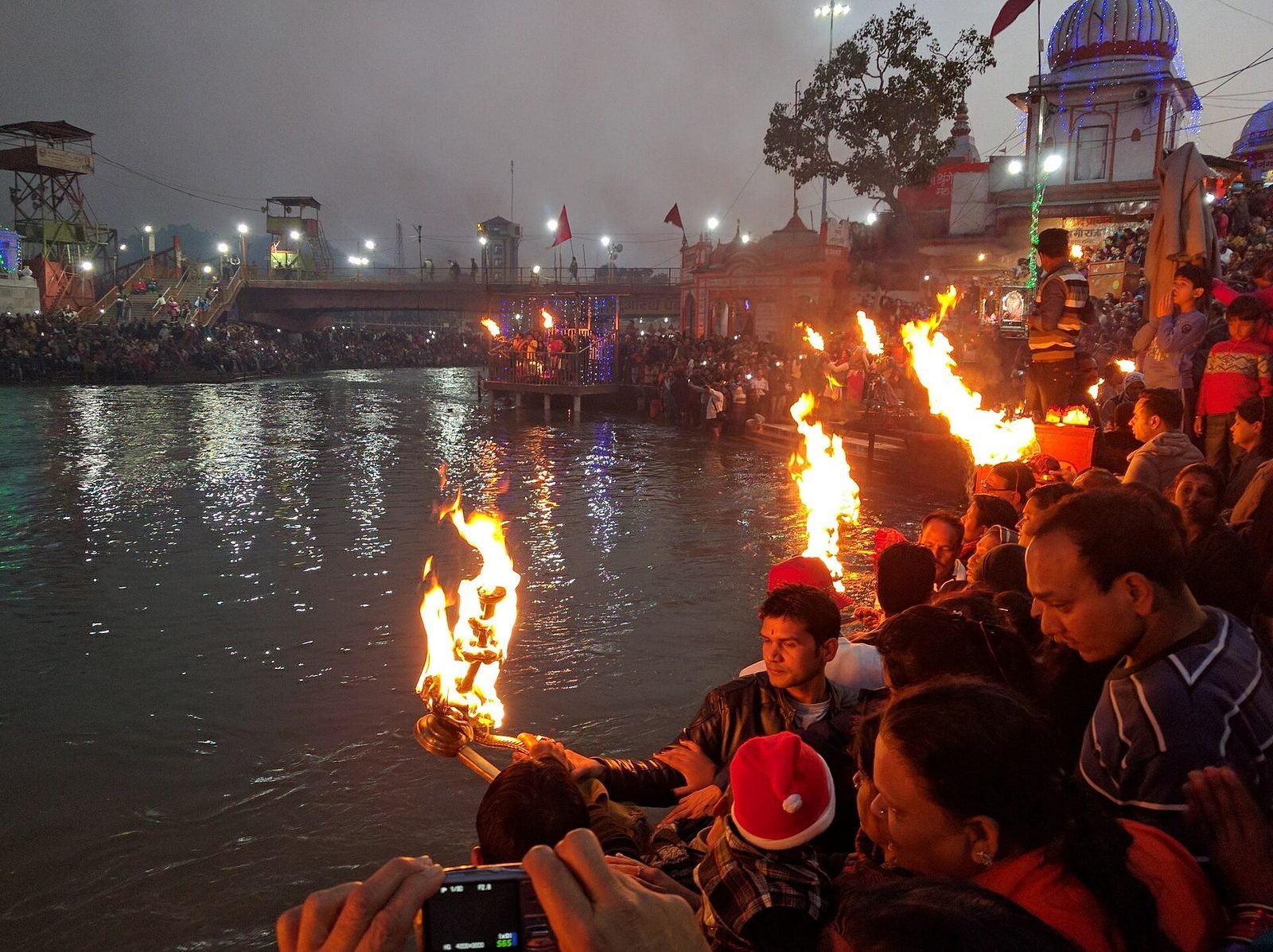
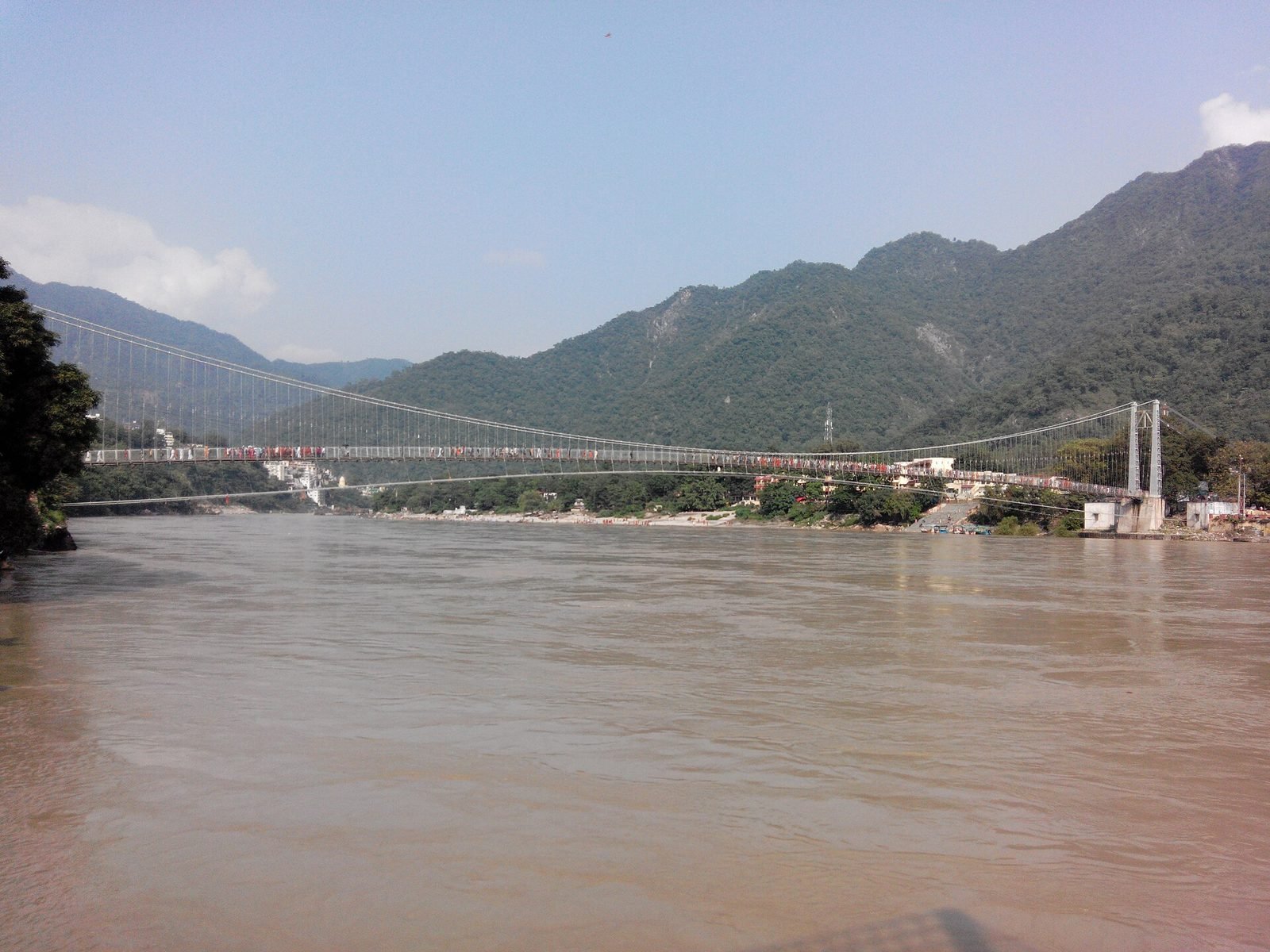
- Haridwar and Rishikesh: Har Ki Pauri and the Ganga aarti, Laxman Jhula and Ram Jhula, the Beatles ashram, the yoga schools of Tapovan and the rafting camps of Shivpuri. Dharamshalas, hotels, homestays and camps trade on pilgrim and tourist numbers that keep rising.
- The Char Dham: Badrinath, Kedarnath, Gangotri and Yamunotri, with Devprayag, Rudraprayag, Joshimath and Uttarkashi as the corridor towns; hospitality along the route is the state's growth hospitality market and its most disaster-exposed.
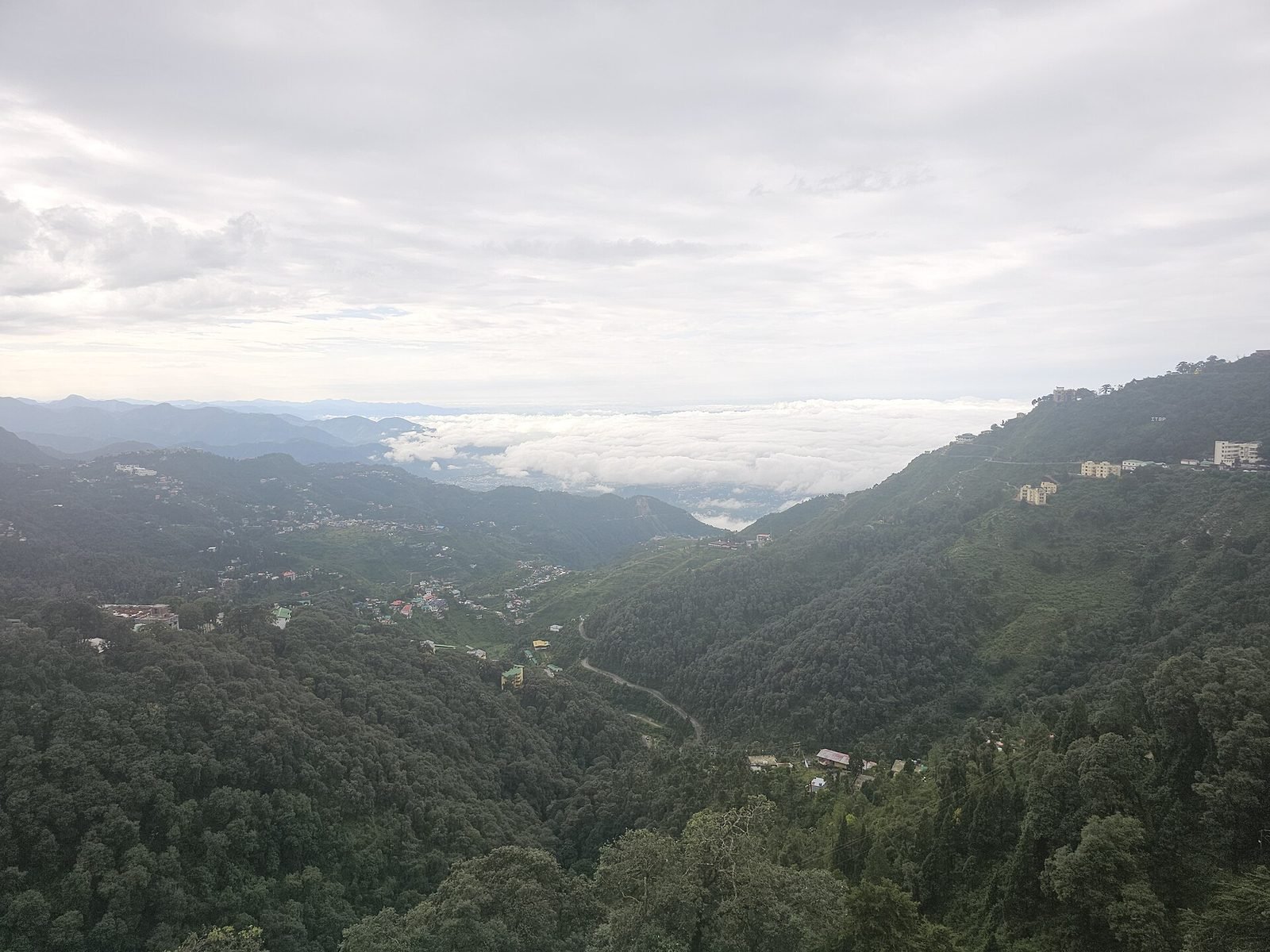
- Mussoorie and Landour: the Mall, Lal Tibba, Kempty Falls and the colonial cottage belt; the Doon valley's weekend market and the most expensive cottage land in the state.
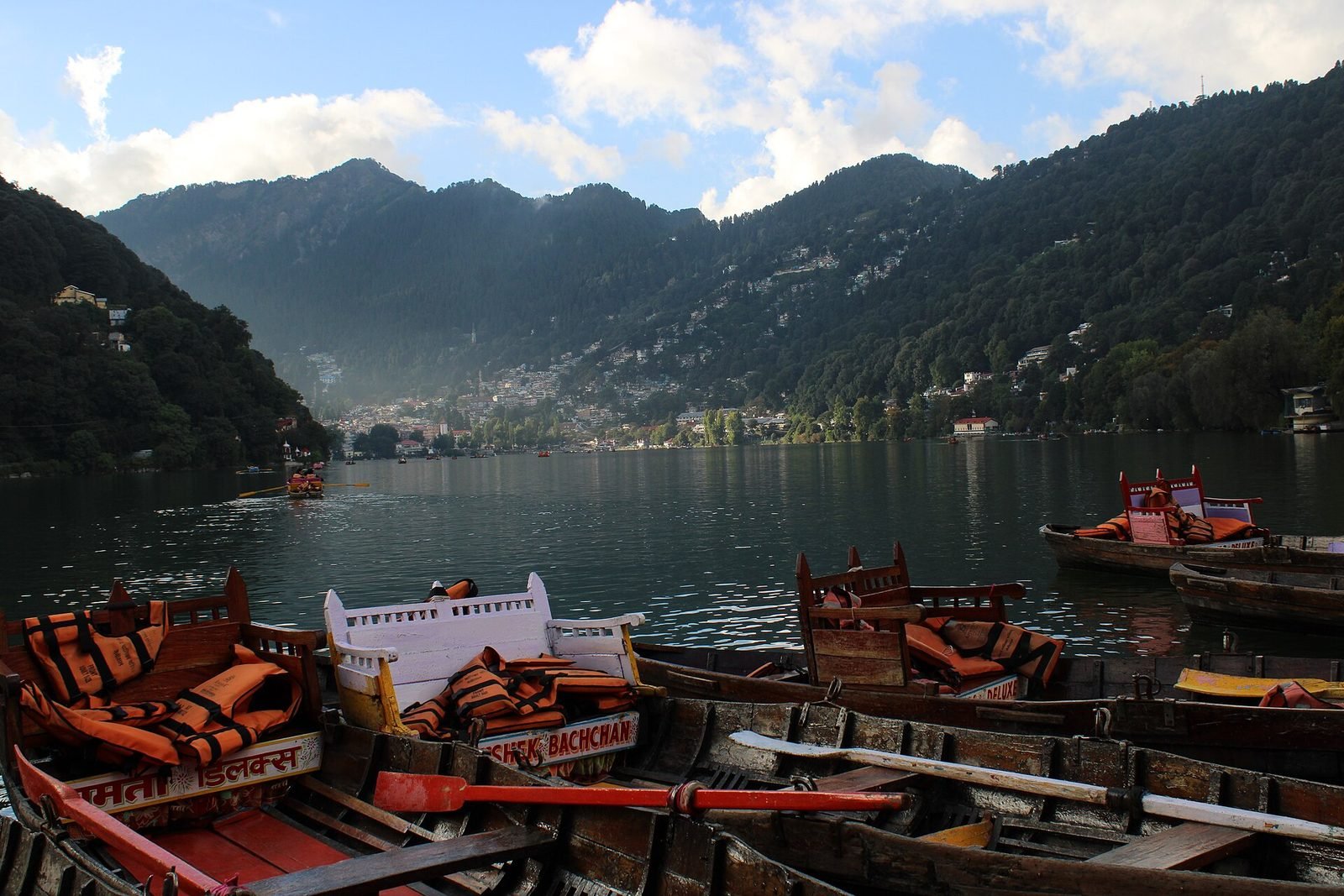
- Nainital, Bhimtal, Sattal and Mukteshwar: the Kumaon lakes and the Mukteshwar–Almora ridge, where second homes and boutique resorts trade on views and the land law decides who may buy.
- Jim Corbett National Park: the Ramnagar and Dhikuli resort strip on the Kosi; the state's largest single hospitality-land market.
- Auli, Valley of Flowers, Hemkund Sahib: skiing and trekking tourism on the Joshimath side, now shaped by the subsidence crisis.
- Dehradun's own anchors: the Forest Research Institute, Robber's Cave, Sahastradhara, Tapkeshwar, the clock tower and the cantonment greens that make the city a retirement destination.
The practical takeaway: licensed homestays and Ganga-side hotels in Rishikesh and Haridwar, Corbett resort land and Mussoorie and Nainital boutique properties are the hospitality plays with real liquidity. Everything on the Char Dham corridor is a bet on pilgrim numbers against disaster risk; price both.
Photos: Deepanshu Mittall, CC BY-SA 4.0, via Wikimedia Commons · Gannu03, CC BY-SA 4.0, via Wikimedia Commons · Praveen Singh Bisht, CC BY 2.0, via Wikimedia Commons
09Legal Checks, Stamp Duty and Property Tax: Uttarakhand Specifics
Uttarakhand's paperwork borrows from Uttar Pradesh and adds a land law of its own. The losses come from outsiders buying what they may not, from unauthorised colonies and from slopes that were never surveyed.
The land law
Under the state's land laws as tightened in recent years, a person who is not a permanent resident of Uttarakhand cannot buy agricultural or horticultural land in the eleven hill districts; Haridwar and Udham Singh Nagar, the plains districts, are exempt. Outsiders may buy residential property inside municipal limits freely, and outside municipal limits only a small plot per family, with a cap of about 250 sq m and a requirement to build. Purchases that broke earlier limits are being cancelled and the land vested in the state. Industrial land goes through SIDCUL or district permission. A lease or power-of-attorney arrangement that is really a sale is unenforceable.
Who approves what
The Mussoorie Dehradun Development Authority sanctions plans in the Doon valley; Haridwar–Roorkee, Haldwani and the other district development authorities cover their towns; SIDCUL allots industrial plots; UK RERA registers projects above the usual thresholds; land records sit on the Bhulekh and Devbhoomi portals with the khata, khasra and khatauni. The Forest Department's consent is needed near reserved forest, and the disaster-management and riverbank rules apply along the Ganga, Kosi and the hill rivers.
The due-diligence checklist
- Eligibility under the land law for your residency status, the district and the land category, before anything else.
- Khatauni and khasra on the land-records portal, with the mutation in the seller's name and no government, forest, nazul or gram sabha land in the khasra.
- Section 143 declaration converting agricultural land to non-agricultural use before you build or buy a "plot" on farmland; without it the sale is of farmland and the land law applies in full.
- Development-authority sanction and completion certificate matching what was built; MDDA's and HRDA's unauthorised-colony lists are public.
- UK RERA registration for projects, with the promoter's record.
- Forest, riverbank and slope status, with the disaster-zone maps after 2013 and 2023, and the Rajaji and Corbett eco-sensitive-zone boundaries.
- Road access and water source written into the title; hill plots with access across a neighbour's land or no spring are the commonest regret.
- Homestay registration under the state scheme if you intend to rent to tourists.
Stamp duty and registration
Stamp duty in Uttarakhand is about 5 percent for male buyers and 3.75 percent for women, with the women's concession limited above a value threshold, plus a registration fee that the state caps; duty is charged on the higher of the sale price and the circle rate, which Dehradun and Haridwar revised upward recently. The state changes these by notification; confirm the live rates before you budget.
Property tax
Municipal property tax in Dehradun, Haridwar, Haldwani and the other corporations is self-assessed and modest; properties outside municipal limits pay nominal panchayat tax. The holding costs that matter are caretakers for second homes, water tankers in May, slope and weather maintenance and, for SIDCUL property, the lease rent and transfer charges.
Units you will hear
Garhwal quotes land in bigha, about 756 sq yd in the hill measure, and increasingly in sq m; Kumaon quotes nali, about 240 sq yd, with 20 nali to the local acre-equivalent. The plains use sq yd for plots and sq ft for flats. Always convert to sq m on the revenue record before you agree a price.
Rates on this page are indicative asking prices gathered from transactions and listings Mr. Homez handled or reviewed. They change with every quarter and every collector-rate revision. Stamp duty, cess and tax rules are summarised from government notifications current at the time of writing; confirm the live figures with the sub-registrar before you commit money. This is market commentary, not legal or investment advice.