
01Ground Reality: The Cheapest Metro in India, and the Slowest to Rise
West Bengal's property market is Kolkata, and Kolkata is the one Indian metro where a decent 3 BHK still costs under a crore. The city's prices have grown at half the pace of Bengaluru's or Hyderabad's for twenty years, because its economy has: fewer corporate headquarters, a smaller IT payroll, an industrial base that moved to the coal belt or out of the state, and a professional class that leaves for Delhi and Bengaluru in its twenties. That is the discount, and it is also the opportunity for anyone who wants to live in a city with the country's best culture, food and public transport at Tier-2 prices.
The money that does buy property comes from the state's trading communities, the Marwari and Bengali business families of Burrabazar and Park Street; the IT and back-office payroll in Salt Lake's Sector V and New Town; the public sector, the port, the banks and the state government; the coal, steel and power economy of Durgapur, Asansol and the Raniganj belt; the tea and the north-east trade through Siliguri; and the Bengali diaspora in Delhi, Bengaluru and abroad, which buys flats for ageing parents and eventual return. The city's real estate is apartments first, from the old south's mansion blocks to New Town's towers; plots are a district-town market.
What changed in the last five years: the East–West Metro went under the Hooghly and connected Howrah to Sector V; the Joka line started running the south; New Town's Action Areas filled with IT campuses, a convention centre and towers; the state scrapped its own HIRA law after the Supreme Court struck it down and brought in WB RERA; the 2 percent stamp-duty rebate that had propped up sales through the pandemic was withdrawn; and Siliguri became the fastest-growing city in the state on the back of the north-east's trade, tea and tourism. Kolkata's good micro-markets rose 15 to 30 percent, far less than the other metros, and the city's unsold inventory stayed among the lowest in India.
The honest caution: Bengal's titles are old and complicated. Thika tenancy in the city's older wards, Hindu and Muslim joint-family partitions, the Land Reforms ceiling and the 1950s vesting of surplus land, unconverted agricultural plots sold in the suburbs and the KMC's unauthorised-construction notices are the recurring problems. The state's land records are digitised on Banglarbhumi; the city's are not fully, and a Kolkata title search is a lawyer's job, not a portal's.
02Location and Macro Infrastructure: Metro Under the River, Expressways to the Coal Belt and the Hills
West Bengal is a long state from the Himalayas to the Bay of Bengal, and its property values sit on the Kolkata metropolitan area, the Durgapur Expressway corridor and the Siliguri gateway.
Kolkata
- Kolkata Metro. India's oldest, now five lines: the north–south Blue Line from Dakshineswar to Kavi Subhash, the East–West Green Line under the Hooghly from Howrah Maidan to Sector V, the Purple Line from Joka to Majerhat and on towards Esplanade, the Orange Line from New Garia towards the airport in stages, and the Yellow Line to the airport. Every opened station has re-priced its surroundings, and the airport and Esplanade links are the ones to watch.
- EM Bypass, the city's eastern spine from the airport to Garia, the premium tower corridor; the Kona and Vidyasagar Setu links to Howrah and the NH-16; the Belghoria Expressway to the north; New Town's Action Area roads and the Biswa Bangla Sarani that is the new city's main street.
- Kolkata airport at Dum Dum, expanding with a new terminal plan; Kolkata and Haldia ports on the Hooghly, and the proposed Tajpur deep-sea port on the Medinipur coast, a long-dated option.
The corridors
- NH-19, the Durgapur Expressway and the Grand Trunk Road to Bardhaman, Durgapur, Asansol and Dhanbad; the coal-and-steel corridor and the state's main industrial road, with Dankuni as the logistics junction where the Eastern Dedicated Freight Corridor ends.
- NH-12 north through Kalyani, Krishnanagar, Baharampur and Malda to Siliguri, being four-laned in stages; the road that ties the north's tea and trade to the capital.
- NH-16 south-west through Kharagpur to Odisha, and NH-116 to Digha and the Tajpur coast.
- Siliguri's own roads: the Sevoke corridor to Sikkim, the Bagdogra and Darjeeling roads and the Asian Highway to Nepal, Bhutan and Bangladesh that make it the north-east's gateway.
Rail and airports
Howrah and Sealdah are among the busiest stations in the world and the suburban railway carries the metropolitan area's commuters; Vande Bharats link Kolkata to Siliguri, Patna and Puri. Bagdogra airport serves Siliguri and the hills with a growing schedule; Andal's Kazi Nazrul Islam airport at Durgapur runs a thin service; Cooch Behar and Malda have regional strips. The Darjeeling Himalayan Railway is heritage, not transport.
03Micro-Markets and What Sells: City by City
Sixteen cities, five tiers, and a Kolkata that is two cities, the old south and the new east. Rates are indicative asking prices from recent deals and listings; Bengal quotes flats by the sq ft of super built-up area and land by the katha and bigha, with 20 katha to the bigha and a katha of 720 sq ft.
| City | Tier | What actually sells | Indicative rates (current) |
|---|---|---|---|
| Kolkata | 1 | Apartments at every price, old mansion blocks and bungalows in the south, New Town towers and plots, penthouses, Grade A offices in Sector V and New Town, co-working, Park Street and Gariahat retail, Dankuni warehouses | Flats ₹4,000–25,000/sq ft by locality; land ₹20 lakh–2 crore/katha |
| Siliguri | 2 | Apartments, plots, bungalows, tea-trade offices, hotels, warehouses on the north-east road | Flats ₹3,500–6,000/sq ft; land ₹10–60 lakh/katha |
| Asansol | 2 | Flats, plots, company-colony housing, coal-belt commercial | Flats ₹2,800–4,500/sq ft; land ₹5–30 lakh/katha |
| Durgapur | 2 | Flats, plots in the planned city, bungalows, industrial sheds, student rentals | Flats ₹3,000–5,000/sq ft; land ₹5–35 lakh/katha |
| Howrah | 3 | Flats, old houses, plots, jute-belt sheds, station-side commercial | Flats ₹4,000–6,000/sq ft; land ₹10–50 lakh/katha |
| Bardhaman | 3 | Plots, houses, flats, rice-trade warehouses | Flats ₹2,500–4,000/sq ft; land ₹4–25 lakh/katha |
| Kharagpur | 3 | Flats, plots, IIT-area rentals, industrial-park land | Flats ₹2,500–4,000/sq ft; land ₹3–20 lakh/katha |
| Malda | 3 | Plots, houses, flats, mango and silk warehouses | Flats ₹2,500–3,800/sq ft; land ₹3–20 lakh/katha |
| Baharampur | 4 | Plots, houses, flats, silk and river trade | Land ₹3–15 lakh/katha |
| Habra | 4 | Plots, houses, commuter rentals | Land ₹3–15 lakh/katha |
| Shantipur | 4 | Plots, houses, handloom sheds | Land ₹2–12 lakh/katha |
| Dankuni | 4 | Warehouses, logistics land, worker housing, plots | Land ₹5–30 lakh/katha |
| Kalyani | 5 | Plots in the planned township, flats, hospital and campus rentals | Flats ₹3,000–4,500/sq ft; land ₹5–25 lakh/katha |
| Bhadreswar | 5 | Plots, old houses, mill-town rentals | Land ₹3–15 lakh/katha |
| Purulia | 5 | Plots, houses, resort land in the Ajodhya hills | Land ₹1–8 lakh/katha |
| Cooch Behar | 5 | Plots, houses, border-trade shops | Land ₹2–10 lakh/katha |
Kolkata: the old south
Ballygunge, Alipore, Southern Avenue, Lake Gardens and the Park Street belt are old money and the city's premium at ₹15,000 to 25,000 per sq ft, with mansion blocks, redevelopments of colonial houses and almost no new supply. Gariahat, Jodhpur Park, Dhakuria and Golpark are the established upper-middle class at ₹10,000 to 15,000. Tollygunge, Garia, Narendrapur and the Blue Line's southern stations are the mid-market at ₹5,000 to 8,000. Behala, Joka and the Diamond Harbour Road are the affordable south-west at ₹4,000 to 6,500, re-priced by the Purple Line. North Kolkata, Shyambazar, Bagbazar and Dum Dum, is dense, old and cheap by the city's standards, with the airport side the growth edge. Offices: Park Street, Camac Street and the Esplanade for the old CBD, Sector V and New Town for the new.
Kolkata: the new east
EM Bypass from Chingrighata to Garia is the premium tower corridor at ₹8,000 to 15,000 per sq ft, with the big developers' flagships and the hospitals. Salt Lake, Bidhannagar's planned sectors, is cooperative plots and the IT campuses of Sector V, where land trades by the katha at Alipore prices. New Town and Rajarhat, HIDCO's planned city with Action Areas I to III, is the state's largest apartment supply at ₹5,000 to 8,000, with the IT parks, the Biswa Bangla convention centre, Eco Park and the airport ten minutes away; HIDCO's own plots and the big townships are the clean titles. The VIP Road and airport belt, Kaikhali, Baguiati and Teghoria, is the mid-market at ₹5,000 to 7,000 on the Yellow Line's route.
Howrah, Dankuni and the Hooghly towns
Howrah is the city's twin, with Shibpur, Santragachi and the Kona Expressway side for flats, the station economy and the jute mills; the East–West Metro made it a Kolkata suburb overnight. Dankuni is the freight corridor's terminus and the state's logistics belt. Up the Hooghly, Bhadreswar, Chandannagar and Serampore are the old mill and colonial towns with riverbank houses; Kalyani is the planned township with AIIMS, IISER and the university; Habra and Shantipur are commuter and handloom towns on the Sealdah lines.
Siliguri
Siliguri is the north's capital in all but name: Sevoke Road, Matigara, the Uttorayon township and the Bagdogra side carry the flats at ₹3,500 to 6,000 per sq ft; the tea auction, the north-east and Bhutan trade, the hospitals and the Darjeeling tourism business are the economy; the Asian Highway, the airport's expansion and the Sikkim rail line are the catalysts. It is the only city in the state growing like a Tier-2 market elsewhere.
Durgapur, Asansol and the coal belt
Durgapur is a planned steel city with Bidhannagar, City Centre and the Benachity side for flats and plots, DSP, the private steel and power plants, NIT and the Andal airport; Asansol is coal, ECL and IISCO with Burnpur's company colonies and the Dhanbad border; the Raniganj belt between them is mining subsidence country where a geotechnical check matters more than any finish. Purulia and Bankura are the Chhota Nagpur edge with Raghunathpur's industrial park and the Ajodhya hills' resorts.
Kharagpur, Bardhaman, Malda and the rest
Kharagpur is IIT, the railway division and the Vidyasagar industrial park; Bardhaman is the rice bowl's trading town on the GT Road; Malda is mangoes, silk and the Bangladesh border; Baharampur is Murshidabad's district town; Cooch Behar is the palace town with a regional airport. Plots by the katha are the market everywhere; flats are new and thin outside Siliguri, Durgapur and Howrah.
Who buys, and in what bracket
- Under ₹50 lakh: Behala, Joka, Garia and Rajarhat 2 BHKs, Howrah and Durgapur flats, district-town plots; the city's clerical and trading middle class, first-time buyers.
- ₹50 lakh to ₹1.2 crore: New Town, EM Bypass's outer end and Tollygunge 3 BHKs, Siliguri's Sevoke Road, Salt Lake cooperative flats; the IT and public-sector payroll, the Bengali diaspora buying for parents.
- ₹1.2 crore to ₹4 crore: EM Bypass flagships, Gariahat and Jodhpur Park apartments, New Town penthouses, Salt Lake plots; business families, doctors, NRIs.
- Above ₹4 crore: Ballygunge, Alipore and Southern Avenue mansion flats and bungalows, Park Street heritage property; the old trading elite and the few who stayed.
04Industry and Employment: What Pays the EMIs
Kolkata: services, trade and the public sector
TCS, Wipro, Cognizant, IBM, Capgemini and the IT and back-office campuses in Sector V and New Town; the state government, the port, the banks' eastern headquarters, Coal India, SAIL and the public-sector offices; the Burrabazar wholesale trade, the Park Street and Gariahat retail economies, the film and media industry at Tollygunge, the hospitals and the universities. Kolkata's rental market is steady and cheap because its tenants are spread across all of them and none of them pays Bengaluru salaries.
The coal and steel belt
Durgapur Steel Plant, the private steel and sponge-iron units, the DVC and private power plants, Eastern Coalfields and IISCO at Burnpur, the Raniganj mines and the Deocha Pachami coal block in Birbhum that would be India's largest; Durgapur, Asansol and the Bardhaman belt are company-town economies where contractors rent and owners build.
Haldia, Dankuni and the port economy
Haldia's petrochemical complex and refinery, the Kolkata and Haldia ports, the Dankuni logistics belt at the freight corridor's end, the jute mills along the Hooghly, the Bantala leather complex and the Kharagpur industrial park with Tata Metaliks. WBIDC allots industrial land in parks across the state on leasehold terms; the single window is the Silpasathi portal.
Siliguri and the north
Tea estates and the Siliguri auction, the north-east, Nepal, Bhutan and Bangladesh trade through the corridor, Darjeeling and Dooars tourism, the hospitals that serve Sikkim and the hills; Siliguri's economy is trade and it grows with the north-east.
Agriculture, handloom and the districts
Rice in Bardhaman and the south, jute along the Hooghly, mangoes and silk in Malda and Murshidabad, potatoes in Hooghly and Bankura, fish and prawns in the Sundarbans and the coast, Shantipur's and Dhaniakhali's saris; the district economies buy plots by the katha and build slowly.
Education and healthcare
IIT Kharagpur, Jadavpur, Presidency, Calcutta University, IIM Calcutta, ISI, IISER and AIIMS at Kalyani, NIT Durgapur, the North Bengal University; Apollo, Fortis, AMRI, Medica, Tata Medical Centre and the state's medical colleges, which draw patients from the whole east and from Bangladesh. The EM Bypass hospital belt is a rental market of its own.
05What Changes in the Next 3 to 7 Years
- Kolkata Metro's airport and Esplanade links. The Orange and Yellow lines reaching the airport and the Purple Line reaching Esplanade tie New Town, the VIP Road belt and the south-west into one network; the biggest internal catalyst in the city.
- New Town's Action Area III and the Rajarhat IT expansion, with the data-centre cluster, the convention economy and the Silicon Valley hub that keep the new east growing.
- Dankuni's logistics belt and the Eastern Dedicated Freight Corridor, which make the Durgapur Expressway's start the state's warehousing market.
- Tajpur port and the Deocha Pachami coal block, if they are built; both are long-dated and contested, and both would re-price the Medinipur coast and Birbhum. Price them at zero.
- Siliguri's growth on the north-east's trade, the Asian Highway, Bagdogra's expansion and the Sikkim rail line; the strongest Tier-2 story in the state.
- Kalyani's AIIMS and campus belt and the NH-12 four-laning, which pull Kolkata's northern fringe outward.
- Kolkata's redevelopment of old houses and the KMC's bylaw changes, which supply the south's new flats from its colonial stock.
- Stamp-duty and circle-rate decisions; the rebate's end slowed sales, and any new concession would release pent-up demand in a market that is cheap and liquid.
What this means for appreciation: Kolkata's south is mature and will stay cheap and stable; the headroom is on the Metro's new stations, in New Town's outer action areas, on the VIP Road and airport belt and in Joka. Siliguri is the growth bet; Durgapur and Asansol move with steel and coal; the district towns move with rice, jute and the nearest highway upgrade. Bengal is a market for living cheaply and holding, not for flipping.
06Civic Life: Culture, Hospitals, the Metro and What Breaks
Healthcare
Apollo, Fortis, AMRI, Medica, Ruby, Tata Medical Centre and the SSKM and medical college hospitals in Kolkata; AIIMS Kalyani; the Durgapur and Siliguri private hospitals that serve the coal belt and the hills. The EM Bypass hospital belt makes Kolkata the east's medical destination and a rental driver.
Education
Presidency, Jadavpur, St Xavier's, Calcutta University, IIM Calcutta, ISI, IIT Kharagpur, IISER Kalyani, NIT Durgapur and the school belt from La Martiniere to South Point; Kolkata's schools and colleges are a reason families stay, and the hostels around Jadavpur and Salt Lake are a rental market.
Retail and recreation
South City, Quest, Acropolis, City Centre and Axis Mall; Park Street, Gariahat and New Market; the Eden Gardens and Salt Lake stadiums, the Maidan, Victoria Memorial and the Rabindra Sarobar lakes; Durga Puja, the book fair and the city's theatre, music and food, which no other Indian city matches at any price.
The civic realities
- Waterlogging: Kolkata floods in every heavy monsoon; Behala, Garia, parts of Salt Lake and the EM Bypass underpasses are the known pockets, and Cyclone Amphan in 2020 is the reference event. Ground floors and basements in those pockets are priced accordingly.
- Humidity and heat: 36 to 40°C at 80 percent humidity from April to June; the city's old buildings were designed for it and the new glass towers were not.
- Air: Kolkata's winter air is among the worst in India after Delhi; the Howrah and Durgapur industrial belts and the Raniganj mines are worse.
- Traffic: the EM Bypass, the Howrah bridges, the VIP Road and Park Circus; the Metro is the fix and the city's buses and trams are the backup.
- Power and water: CESC supply in the city is reliable; the suburbs and districts run on WBSEDCL and backup; the city's water is piped from the Hooghly and the suburbs run on wells with arsenic in the north and the east.
- Titles and approvals: thika tenancy, joint-family partitions and the vesting of surplus land cloud old titles; KMC sanctions slowly and its unauthorised-construction notices and the Garden Reach collapse are the reminders. A Kolkata title search is a lawyer's job.
07Climate and How to Build for It
West Bengal runs from the Himalayas to the delta, and most of its property sits in a hot, humid, cyclone-prone plain.
Summer is March to June at 35 to 42°C with the nor'wester storms of April and May; monsoon from June to September brings 1,500 to 1,800 mm to Kolkata and the south and 3,000 mm to the Dooars and the hills, in bursts that flood the city; winter from November to February is mild and dry at 10 to 15°C nights, the city's best season. Cyclones from the Bay of Bengal, Amphan, Yaas and the Sundarbans' annual surges, are the design case on the coast; Darjeeling and the hills have their own cool, wet, landslide-prone climate.
What it means for a buyer or builder
- Plinth height, drainage and the society's monsoon record in Kolkata's low pockets; the Amphan and Yaas water lines are known street by street.
- Cross-ventilation, shading and insulated roofs in a climate where air-conditioning runs seven months a year; the old south's high-ceilinged flats are cooler than the new towers.
- Humidity and mould destroy cheap interiors; anti-fungal finishes, treated timber and ventilated bathrooms are the real quality markers.
- Cyclone-rated glazing and fixings on the coast and the Sundarbans fringe; CRZ decides what may be built at Digha, Tajpur and Mandarmani.
- In the hills, Darjeeling and Kalimpong's slope and landslide rules; in the coal belt, mining-subsidence maps.
- Rooftop solar pays back in the dry season; the state's net-metering has improved and the sun is reliable from October to May.
08Landmarks, Tourism and the Hospitality Angle
West Bengal's identity is Kolkata's colonial grandeur and Bengali culture, the Himalayan hills and the Sundarbans, and its hospitality market is heritage, pilgrimage and the hills.
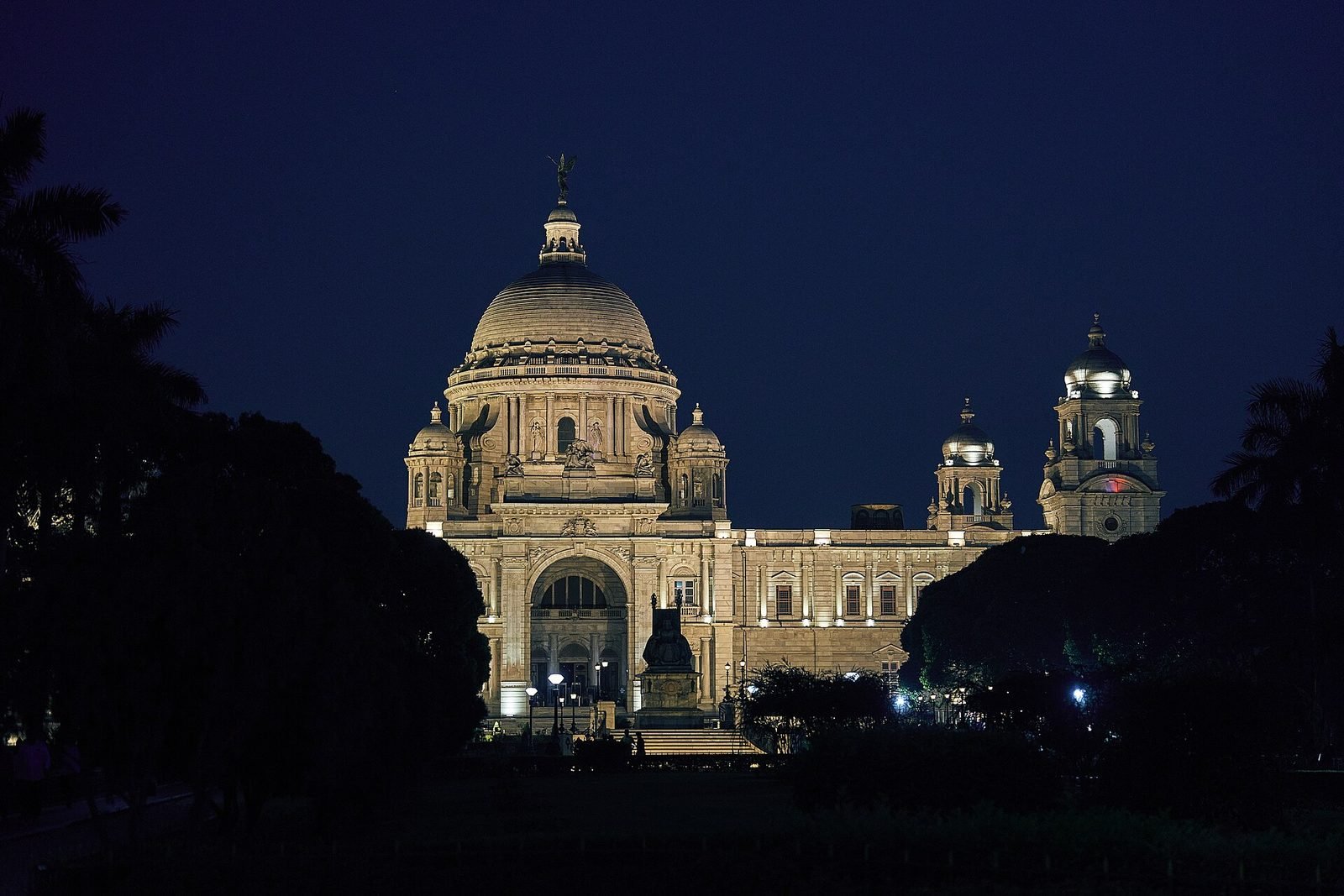
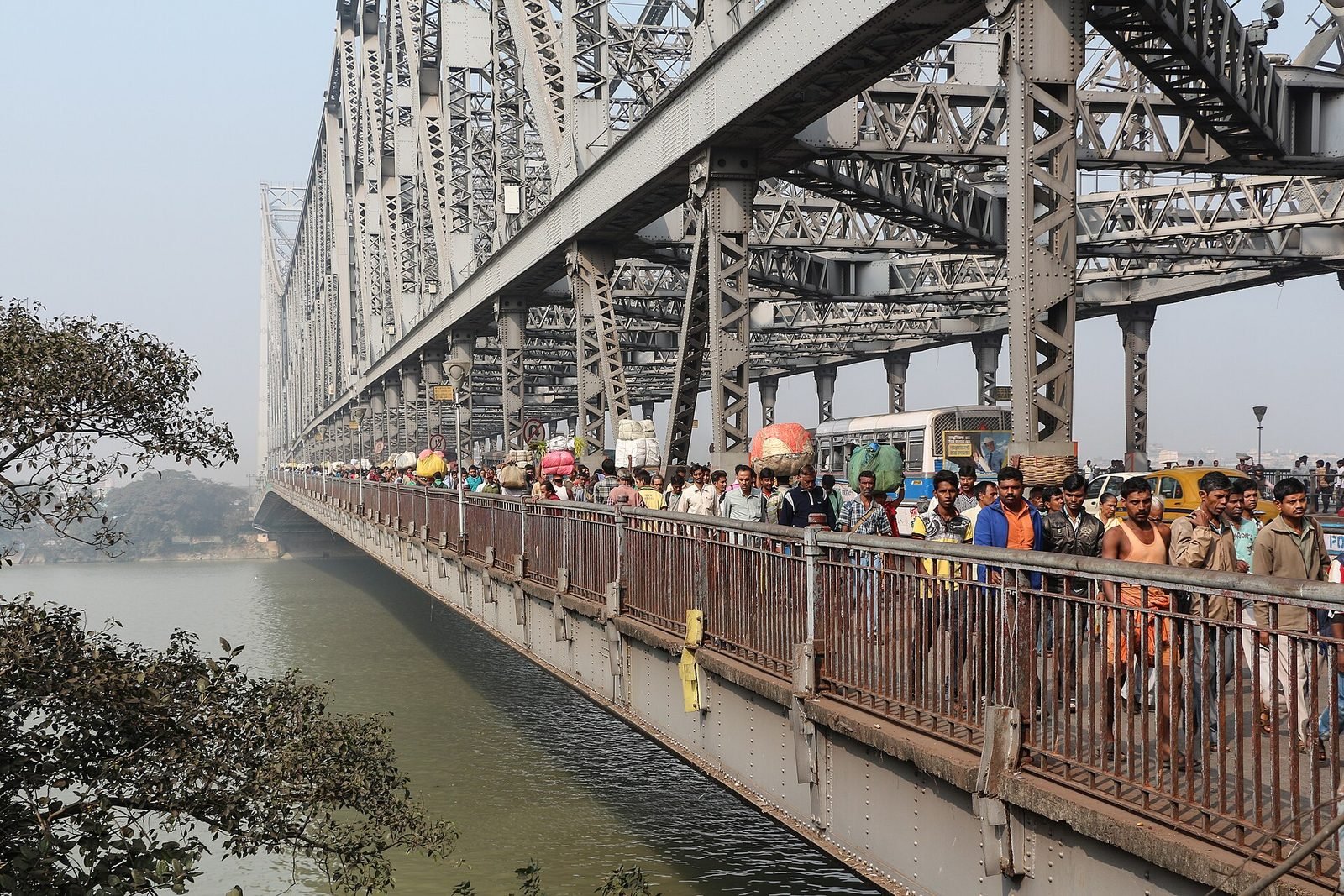
- Kolkata: the Victoria Memorial, Howrah Bridge, the Maidan, Kalighat, Dakshineswar and Belur Math, Park Street, College Street and the Durga Puja that UNESCO listed; heritage hotels, boutique conversions of old houses and the Park Street and New Town business-hotel belts.
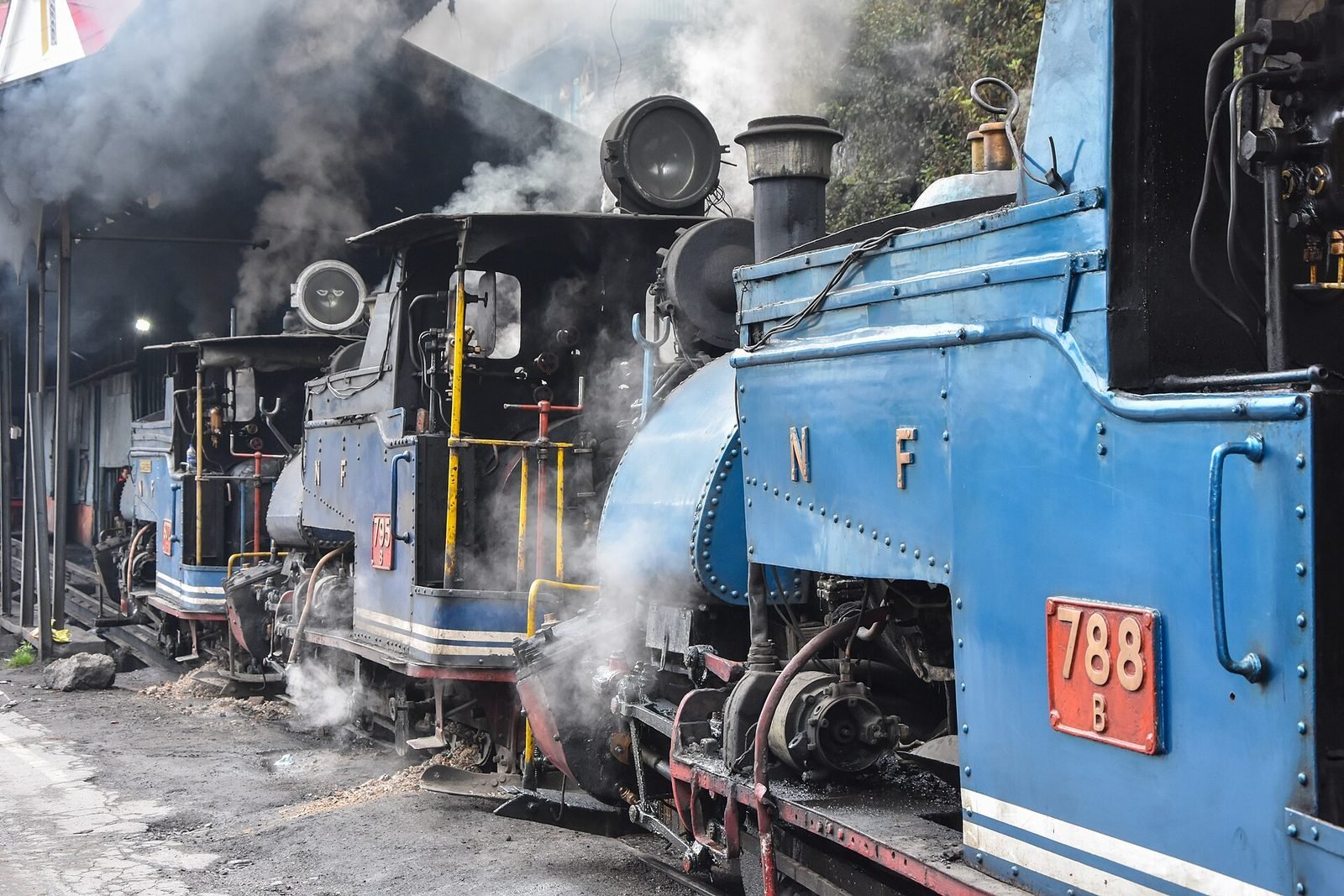
- Darjeeling, Kalimpong and the Dooars: the tea gardens, the toy train, Kanchenjunga and the Dooars' forests; the state's cottage, homestay and resort market, under hill-area building rules and the tea-estate tenure that governs most of the land.
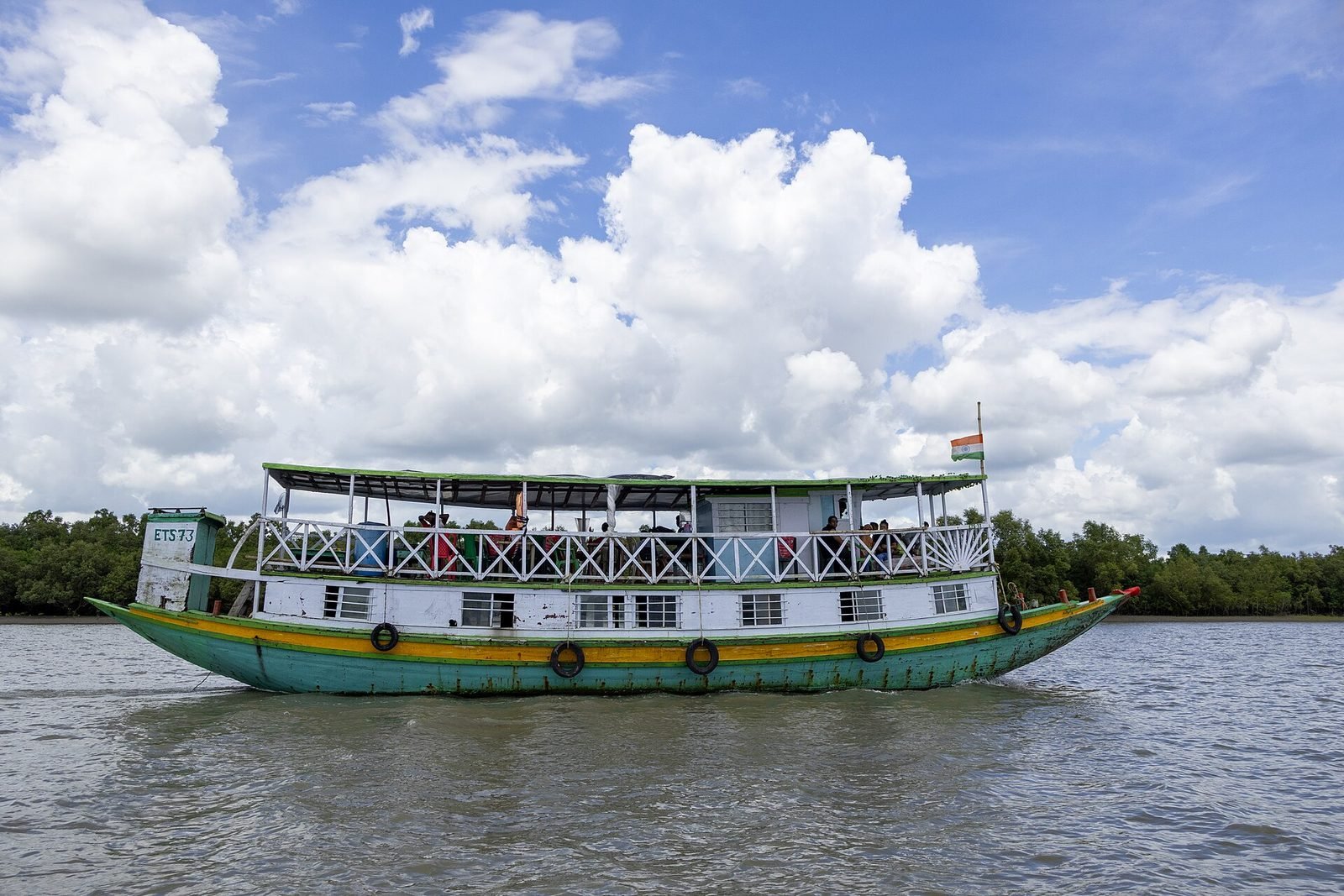
- The Sundarbans: the world's largest mangrove forest and its tigers; a boat-and-lodge tourism economy inside strict forest and coastal rules.
- Digha, Mandarmani, Tajpur and the coast: Kolkata's beach weekend, with hotel land under CRZ and a planned port behind it.
- Shantiniketan and Bishnupur: Tagore's university town, now UNESCO-listed, and the terracotta temples; a second-home and boutique-hotel market for Kolkata's cultured class.
- Murshidabad, Malda and Gaur: the Nawabs' capital and the sultanate ruins; heritage tourism with modest hotel supply.
- Purulia's Ajodhya hills, Bankura's Mukutmanipur and the Chhota Nagpur edge: the state's newest resort and weekend market.
The practical takeaway: Darjeeling and the Dooars' homestays and resorts, Shantiniketan's second homes and Kolkata's heritage conversions are the hospitality plays with real liquidity; the coast and the Sundarbans are governed by rules that must be checked before the token; the district heritage towns are long holds on footfall.
Photos: Bernard Gagnon, CC BY-SA 3.0, via Wikimedia Commons · Syed Sajidul Islam, CC BY-SA 4.0, via Wikimedia Commons · Kingshuk Mondal, CC BY 4.0, via Wikimedia Commons
09Legal Checks, Stamp Duty and Property Tax: West Bengal Specifics
Bengal's paperwork is old and layered. The state's rural records are digitised; the city's titles need a lawyer; the losses come from thika land, unconverted plots and buildings without sanction.
Who approves what
The Kolkata Municipal Corporation sanctions building plans inside the city and levies property tax; the Kolkata Metropolitan Development Authority plans the region; HIDCO owns and develops New Town and allots its plots on long leases; the Bidhannagar municipality covers Salt Lake's cooperative plots; the Siliguri Jalpaiguri Development Authority, the Asansol Durgapur Development Authority and the district municipalities cover the rest; the Land and Land Reforms Department holds the rural records on the Banglarbhumi portal with the khatian, the plot number and the mutation; WBIDC allots industrial land; WB RERA registers projects above the usual thresholds after the state's HIRA law was struck down.
Thika tenancy, conversion and the ceiling
Large parts of old Kolkata and Howrah are thika land, where the land belongs to the state under the Thika Tenancy Act and the occupant owns only the structure; such property cannot be sold as freehold, and the state's attempts to allow redevelopment on thika land are recent and partial. Agricultural land in the suburbs and districts must be converted under the Land Reforms Act before it can be built on, and the ceiling and the 1950s vesting of surplus land mean the khatian must be checked for vested or "khas" land. New Town and Salt Lake plots are leasehold from HIDCO and the state with transfer conditions; the rest of the city is freehold with the thika exception.
The due-diligence checklist
- Title chain for 30 years through the registered deeds and the sub-registrar's search; Kolkata's joint-family partitions, probate and the old Hindu and Muslim succession histories cloud many titles, and a lawyer's search is essential.
- Khatian, plot number and mutation on Banglarbhumi for suburban and district land, with the conversion to non-agricultural use recorded and no vested, khas or thika land in the plot.
- KMC or municipal building-plan sanction and the completion certificate against the building as built; KMC's unauthorised-construction notices and the Garden Reach collapse are the reference events.
- WB RERA registration for projects, with the promoter's record and the carpet-area table.
- HIDCO or state lease conditions and transfer permission for New Town and Salt Lake property; cooperative-society transfer for Salt Lake and the older housing societies.
- Floodplain, wetland and CRZ status; the East Kolkata Wetlands are protected and construction on them is illegal, and the coast is CRZ.
- Mining-subsidence maps in the Raniganj and Asansol belt; tea-estate tenure for hill land.
Agricultural land
Anyone resident in India can buy agricultural land in West Bengal within the ceiling of the Land Reforms Act; there is no farmer-only rule. NRIs and OCIs cannot buy agricultural land, plantations or farmhouses under FEMA, though they may inherit. Conversion to non-agricultural use through the Land and Land Reforms Department is required before building, and the state's land-use rules on the fringe of Kolkata and in the wetlands are enforced. Tea-estate land in the hills is leasehold from the state and cannot be sold as plots.
Stamp duty and registration
West Bengal charges 6 percent stamp duty on property up to ₹1 crore in municipal areas and 7 percent above, 5 and 6 percent in rural areas, plus a 1 percent registration fee; the 2 percent rebate the state offered through the pandemic has been withdrawn, and there is no general women's concession. Duty is charged on the higher of the sale price and the circle rate, which the state revised after the rebate ended. Confirm the live figures before you budget; the state changes them by notification.
Property tax
KMC levies property tax on the unit-area assessment method by block and category, with self-assessment and rebates for early payment; it is modest. Bidhannagar, Howrah and the district municipalities use similar systems. Society maintenance in the EM Bypass and New Town towers, HIDCO lease rent and the costs of maintaining an old south-Kolkata flat against the climate are the recurring costs that matter.
Units you will hear
Bengal quotes land by the katha, 720 sq ft, with 20 katha to the bigha, about 14,400 sq ft or a third of an acre, and by the chhatak, a sixteenth of a katha, in the city; flats are quoted in super built-up sq ft with the RERA carpet area 25 to 35 percent lower. Convert everything to sq ft on the khatian before you agree a price.
Rates on this page are indicative asking prices gathered from transactions and listings Mr. Homez handled or reviewed. They change with every quarter and every collector-rate revision. Stamp duty, cess and tax rules are summarised from government notifications current at the time of writing; confirm the live figures with the sub-registrar before you commit money. This is market commentary, not legal or investment advice.